
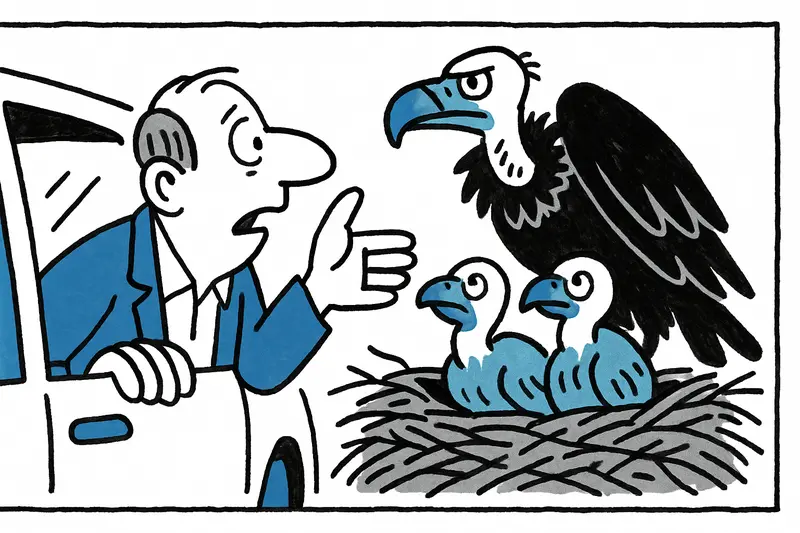
New Brood in Llevant: Why Egyptian Vultures Are a Delicate Opportunity
For the first time, a breeding pair of Egyptian vultures has built a nest in Llevant Natural Park. What does this mean for conservation, shepherds and everyday life in Majorca?
New neighbours in the east: an Egyptian vulture pair is breeding in Llevant
If you travel these weeks on the small country road between Son Servera and Artà, you might hear the soft beat of wings above the dry stone walls: a pair of Egyptian vultures has for the first time established a nest in Llevant Natural Park. Not a case from the Tramuntana, but from the eastern ridge of the island – among sheep pastures, donkey enclosures and the scent of rosemary.
The key question: opportunity or pitfall?
The central question is not only whether the vultures will stay here – but what their presence will mean for the island in the long term. Is this merely a pretty nature spectacle, or does this pair actually change the dynamics of species conservation on Majorca? At first glance it is a success: this year around 49 potential breeding sites were recorded, about 35 pairs observed, and 32 juveniles have already made their first flight. But appearances can be deceiving if we do not name the deeper problems.
The numbers show growth. They also show dependencies: the return of the vulture depends on extensive grazing, the willingness of shepherds to leave carcasses, the control of invasive goats and on the elimination of illegal poisoning, which still poses a danger, as noted on the BirdLife species factsheet for the Egyptian vulture.
What is rarely said
Three things are often missing from the public debate: first, the question of energy infrastructure, second, attention to small-scale land-use changes and third, the role of local actors. Power poles and overhead lines are treacherous for young vultures. A well-intentioned protected area does little good if lines are not secured. And while ministries issue success stories, many small concessions by farmers remain unmentioned: extra areas for carcasses, voluntary herd quietness during sensitive months or cooperation with volunteer observers.
Climate change also plays a quiet role: longer summers, altered vegetation and rarer storms affect grazing times and thus the availability of carcasses – a factor that is often underestimated.
Concrete opportunities and measures
The breeding in Llevant is more than symbolic. It offers concrete starting points to make the island more resilient. Some proposals that could work locally:
1. Secure lines: Prioritise insulating dangerous poles in known flight corridors. It costs, but it saves juveniles.
2. Carcass management: Create small, controlled feeding places away from sensitive routes, managed by shepherds and conservationists. Transparent rules prevent conflicts with hunters and the public.
3. Community monitoring: Promote local observer teams — from young people to retired shepherds — with clear reporting channels, instead of uncontrolled social media posts.
4. Compensation and incentives: Financial incentives for extensive grazing and for shepherds who manage feeding sites. This fosters acceptance and integrates traditional herding knowledge.
5. Visitor education and rules: Clearly visible notices at park entrances explaining why distance is so important. No selfies near nests, no drone flights, no dogs.
Between pride and care
People in Llevant feel how the island is changing. In the mornings, when the church bells are still asleep and the shepherds' bells ring, the adult birds circle like messengers above the slopes. That is an image that can inspire pride. But pride alone is not enough. Without targeted measures the successes remain fragile.
The positive: there are committed people here — from volunteers to herders — who are willing to invest work. The task of the authorities and conservation organisations is now to support this work, set clear rules and remove the small, practical hurdles.
What you can do now
If you spot a nest: keep your distance and report it. Not every photo is evidence, some are a disturbance. And if you meet a shepherd: say thank you. A real exchange creates understanding faster than 1,000 online comments.
The brood in Llevant is a welcome wake-up call. It shows that Majorca is more than beaches and party tourism: a landscape that breathes, works and — if we handle it wisely — can make room for people and wildlife. The question remains: will we seize this opportunity, or let the nest become a fleeting post in the feed?
I will continue to watch from the edge of the paths, keep the binoculars clean and report when the first youngsters wobble into the blue. Until then: keep your eyes open, show respect and, yes, be a little proud of this small miracle in the east of the island.
Frequently asked questions
Why are Egyptian vultures breeding in Llevant Natural Park in Mallorca?
Is it safe to visit Llevant Natural Park when vultures are nesting?
What threatens Egyptian vultures in Mallorca?
What can Mallorca do to help Egyptian vultures survive?
What should I do if I see an Egyptian vulture nest in Mallorca?
Why is grazing important for vultures in Mallorca?
Where in Mallorca is Llevant Natural Park?
Are Egyptian vultures common in Mallorca now?
Similar News

Deadly Tractor Accident in Bunyola: What Needs to Be Done Now
In a work accident on an estate near Bunyola, a roughly 40-year-old man lost his life. His wife and a small child were o...
Head-first dive into the shallow part of Cala Fonoll: An accident and the unresolved question of responsibility
A young tourist dove into Cala Fonoll and was seriously injured. Key question: Why are clear warning signs missing at da...

Mistaken identity with fatal consequences: Brutal assault in S'Aranjassa — what's missing in the follow-up?
At S'Aranjassa a visitor to a finca was tied up, beaten and thrown out of a van. Three men have been arrested, including...

High heel slips, car accelerates: accident on Camí de Son Hugo
A woman lost a high-heeled shoe on the forecourt of the sports facility at Camí de Son Hugo. The car accelerated, mounte...

Phone Scam: How Two Hotel Employees at Playa de Palma Lost Thousands of Euros
One morning in September, two reception employees at Playa de Palma were pressured by alleged alarm-company staff — in t...
More to explore
Discover more interesting content

Can Cap de Bou

Townhouse Lleo 72
