
From a Neglected Finca: 50 Dogs in Son Reus Seek Homes
From a Neglected Finca: 50 Dogs in Son Reus Seek Homes
At the end of February, emergency teams rescued 50 dogs from a neglected finca near Palma. After medical care at the Son Reus shelter, they are now available for adoption. A call to people willing to take responsibility.
From a Neglected Finca: 50 Dogs in Son Reus Seek Homes
After Rescue and Intensive Care: A Chance for a New Start
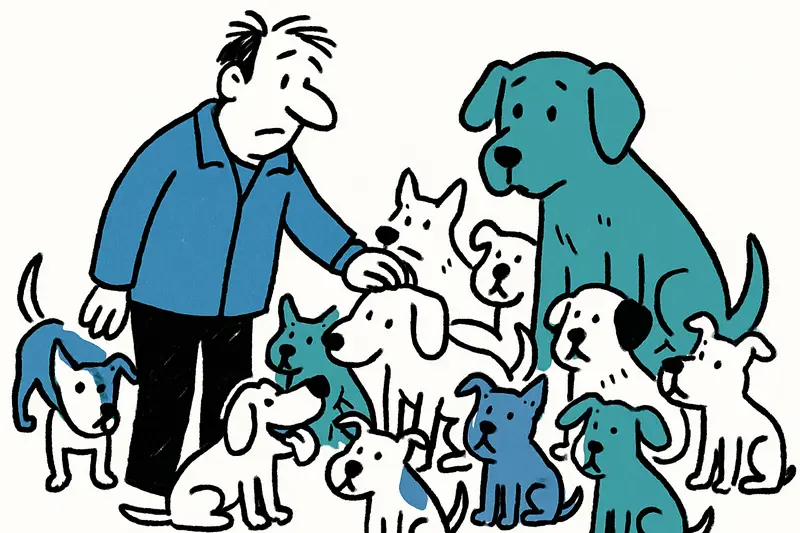
On a cool, slightly overcast afternoon — around 14°C, as the weather map for Palma showed — there was more activity than usual at the Son Reus animal shelter. From the kennels came a colorful jumble of barking, clumsy paws and occasional squeaks; volunteers moved between enclosures carrying bowls and blankets. These are the sounds of hope: 50 dogs rescued from a neglected finca at the end of February have arrived and are now available for adoption.
The rescue itself was no ordinary operation. On February 24, officers from the environmental police SEPRONA, together with staff from the regional department of agriculture, fisheries and environment, moved to remove the animals from the property in the municipality of Palma. Authorities had been alerted to the situation and decided to intervene because the keeping conditions did not meet regulations.
A tightly scheduled care program began immediately at Son Reus shelter. The municipal veterinary team examined each dog thoroughly. Deworming, vaccinations and microchipping were part of the initial treatment. Where there were signs of infections or other problems, blood tests and specialized examinations followed — including tests for leishmaniasis — so that no disease went undetected. Some animals that arrived weakened remained under intensive veterinary observation until their condition stabilized.
Visitors to Son Reus now see more supple, alert dogs than a few days earlier. Most are physically fit enough for adoption to begin. Prospective adopters are asked to inquire at the shelter about the counseling and adoption procedures. It is not just about taking a dog home; Son Reus places importance on responsible placement: checks of the environment, talks about care and time commitment as well as advice on further veterinary steps are part of the process.
The city administration praised the work of the teams involved — not as an empty phrase, but as a sober observation: without the coordinated action of police, administrative officials and veterinarians the rescue would not have been possible. Similar coordinated interventions have occurred in other local cases, such as the Manacor case of a neglected apartment infested with rats and cockroaches, where authorities also had to step in to protect vulnerable animals and people.
Equally important are the quiet helpers on site. Volunteers take care of cleaning, feeding and socialization; they arrange toys, dry blankets and extra resting places. Visitors often meet these helpers, wearing worn jackets and a mischievous smile, who are just setting down a cup of coffee at the fence and getting back to work.
What does this mean for Mallorca? First: it is a tangible signal that problems no longer need to remain behind closed gates; other cases, like the rescue of two severely emaciated horses in Son Gual, have similarly revealed hidden suffering that required intervention. For communities this also means mobilizing new people — those who adopt, foster, take in animals temporarily or provide financial support.
A call to everyone considering a dog: adopting an animal from Son Reus means more than finding a companion. It means enabling a fresh start, freeing up space in the shelter for other emergencies and taking responsibility. Those who cannot adopt permanently can offer foster care, bring material donations or help with a one-off small donation. Such contributions quickly add up and change everyday life, mood and available space at the shelter.
The story of the 50 dogs has a simple but important core: commitment works. People in uniform, veterinary staff, volunteers — all pulled together. Recent tragic incidents elsewhere, for example when 27 dogs were found dead in a transport van at Palma port, underline why vigilance and proper oversight matter. Now a large part of the work lies with the public. Son Reus is open; anyone with time, space and heart can come by and ask, and local groups such as 30 Years of SOS Animal in Calvià also work to mobilize community support. Perhaps on entering you will hear the same chaotic orchestra of barking and paws, and perhaps you will leave later with a new, wet handprint on your heart.
Frequently asked questions
Can you adopt one of the rescued dogs at Son Reus in Mallorca?
What happens when dogs arrive at Son Reus after a rescue in Mallorca?
How does the adoption process work at Son Reus in Palma?
What should you know before adopting a dog in Mallorca?
Can you help Son Reus in Mallorca if you cannot adopt a dog?
Why did authorities intervene at the finca in Palma, Mallorca?
Is Son Reus open to visitors who want to meet dogs in Mallorca?
How can volunteers help at an animal shelter in Mallorca like Son Reus?
Similar News

High heel slips, car accelerates: accident on Camí de Son Hugo
A woman lost a high-heeled shoe on the forecourt of the sports facility at Camí de Son Hugo. The car accelerated, mounte...

Phone Scam: How Two Hotel Employees at Playa de Palma Lost Thousands of Euros
One morning in September, two reception employees at Playa de Palma were pressured by alleged alarm-company staff — in t...

When the Wallet Becomes a Danger: Attack in Peguera and Lessons for Mallorca
In Peguera, two women are said to have stolen the wallet from a 75-year-old German couple. When the victim intervened, t...
Plata stays Plata: Young people take over, Llonguets remain
A small bar on Carrer de l'Argenteria will continue: Tolo Serra hands the place over to young Mallorcans at the end of t...
Unnoticed in the Luggage Compartment: How a Boy Traveled More Than 100 Kilometers in a Team Bus
A minor traveled in the undercarriage of a team bus for more than 100 kilometers until his cries for help were heard. A ...
More to explore
Discover more interesting content

Can Cap de Bou

Townhouse Lleo 72
