
Dawn in El Arenal: Who Really Cleans the Promenade?
Between the cry of seagulls and the hum of a street sweeper: the El Arenal promenade is often dominated by rubbish in the mornings. Why this is no coincidence — and which short- and long-term steps could help.
Dawn in El Arenal: Who Really Cleans the Promenade?
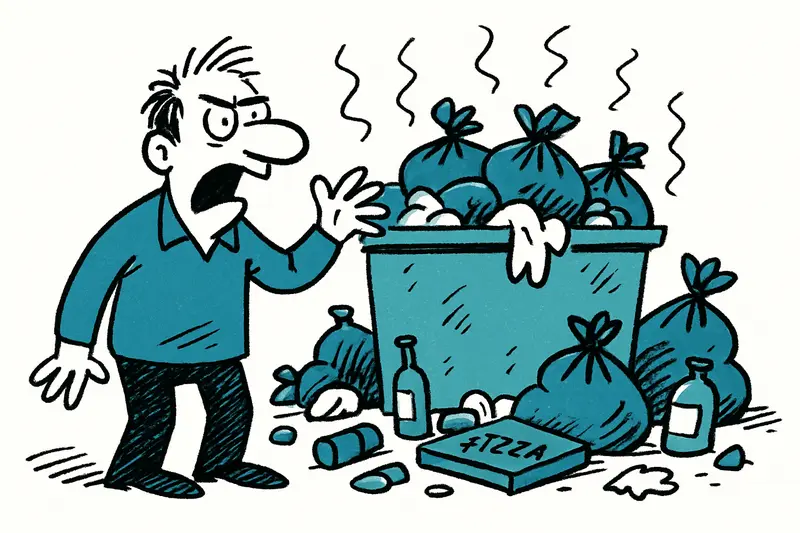
When the first fishing boats are still moored in the harbor and the promenade on the Avenida de la Playa draws a breath in the cold morning light, you hear more than waves and gulls: the distant hum of a street sweeper, the clinking of glass, the soft rustle of plastic bags. Rarely is it the sight of the sea that defines a walk along the beach — all too often the eye falls on torn rubbish bags, piles of cardboard and food waste that the wind pushes across the sun loungers. For locals this is long routine; for tourists it is often a first, bewildered impression.
Key question
How can El Arenal be organised so that technical failures, staff shortages and vague contracts no longer turn every morning shift into a cleaning and frustration test? This question requires concrete short-term measures and permanently changed structures.
Analysis: Why the chaos is not accidental
The images are symptomatic: full bins, abandoned bags, late collections; extraordinary events can make them much worse, as reported in Garbage avalanche after flash flood: S'Arenal section closed — who pays the price? But rarely is the rubbish the actual problem — rather, three interlocking construction sites: equipment, staff, contract design. When a vehicle fails, no replacement trucks step in. If employees are missing, rounds are cancelled. And when contracts with disposal companies lack clear rules on deputies or sanctions, the excuse "technical defect" becomes too convenient.
Added to this is a lack of transparency: residents do not know whether an emptying was scheduled or failed. This creates a dangerous coexistence of uncertainty and improvisation: some put bags out earlier, others look for supposedly "safe" corners — and the problem grows. Calls for "more staff" are important, but often fall short if buffers, duty rosters and control mechanisms are not revised at the same time; the failure to check whether follow-up cleanings have actually taken place has even led residents to mobilize in protest Trash Chaos in s'Arenal: Residents Mobilize — Demonstration in Front of the Town Hall.
What is missing from the debate
Reliable figures and independent quality assurance are missing. Who documents fill levels, who notes downtimes and checks whether follow-up cleanings have actually taken place? Reporting systems exist, but without a reference number, deadlines and follow-up, complaints remain ineffective. Also underestimated is the infrastructure itself — too few waste containers at beach access points, damaged bins or poorly lit collection points that are deliberately opened at night. Residents have repeatedly demanded regular cleaning and functioning waste stations Frustration in Arenal: Residents demand clean streets and safe sidewalks.
Concrete, phased solutions
The answers must include three time horizons: immediate measures, medium-term organisational changes and long-term contractual realignments.
Immediate (within the next ten days): City hall and service providers publish an open inventory of the last three months: failures, causes, replacement measures. Mobile collection points emptied at night will be installed at critical locations — beach access points, squares in front of chiringuitos, corners of the pedestrian zone. Important: each measure must name a contact person with phone number and email so that complaints do not vanish into thin air. Local hoteliers have pressed the council for answers Foul-Smelling Promenade, Empty Promises: Hoteliers in S'Arenal Put Pressure on Llucmajor.
Medium term (weeks to months): Flexible deployment schedules that cover weekends, public holidays and cruise peaks. Activatable staff reserves and additional emptyings at peak times. A digital reporting system with photo upload, automatic receipt confirmation, a reference number and binding response times — for example SeeClickFix — makes processes transparent and creates pressure for quick resolution.
Long term: New contracts with clearly measurable quality criteria: maximum fill levels, binding reaction times in case of failures, regular external spot checks and sanctions for violations. A small citizens' council that accompanies random checks can build trust. It should also be examined whether a differentiated fee model would more realistically reflect tourist burdens without overburdening residents.
Practical advice for residents
People who live here can take action: collect photos with timestamps, precise location details (e.g. Avenida de la Playa, access 8), date and time. Every report needs a reference number — that can and should be demanded. Neighbourhood groups can form short-term cleanup teams and arrange fixed drop-off times with small hotels, and organised petitions have already emerged Arenal Fights Back: 500 Signatures Against Garbage, Potholes and Decay. Messenger groups help to quickly highlight particularly affected spots.
At town hall meetings, documented individual cases count more than general complaints. Formal complaints with deadlines are more effective than polite hints. And those who want to can join the citizens' council on control rounds — direct observers bring about change faster.
Conclusion
El Arenal does not suffer from isolated offenders, but from organisational weaknesses: broken vehicles, inadequate staff planning, too-soft contracts and lack of transparency. If responsibilities are clearly named, deployment plans made public and reporting systems become binding, the promenade can be experienced again as it should be: you hear the waves, smell the sea and can look out at the water — instead of at full rubbish bags. Not romance, but administrative engineering. And administration must work measurably, otherwise the dirt will still lie there in the morning.
Frequently asked questions
Why is the El Arenal promenade often dirty early in the morning?
What should residents in Mallorca do if rubbish is not collected in El Arenal?
Are there enough waste containers on Mallorca’s beaches in El Arenal?
When is the best time to see a cleaner promenade in El Arenal, Mallorca?
How can El Arenal improve street cleaning in the long term?
Is El Arenal a difficult area to keep clean during tourist season?
What can hotels and small businesses in El Arenal do about rubbish outside their doors?
What makes a waste complaint effective in Mallorca municipalities like Llucmajor?
Similar News
Weapons, Machete, Delivery Service: How the Police Stopped a Dealer Group in Mallorca
After months of investigations, the National Police arrested four suspects in Palma and Alcúdia. Telecoca networks, fire...
Chaos at the Roundabout: Truck Loses Glass Bottles on the MA-4040 near Artà
Morning traffic jam on the MA-4040: a truck lost hundreds of glass bottles of water. The Civil Guard and road crews clea...

Filing Obligation in Mallorca: Do German Second-Home Owners Really Have to File IRPF – and How to Avoid Costly Mistakes?
Second-home owners in Mallorca face deadlines, forms, and technical hurdles. Who must file and when, which supporting do...

Reality Check: The Documentary on Playa de Palma and the Difficult Management of Alcohol
A recent TV documentary shows everyday life at Playa de Palma after the 2024 alcohol bans. What specifically has changed...

Away from the Coast: Circular Route from Cala Millor into Mallorca's Rural East
A new circular route starts in Cala Millor and leads through Son Servera, Artà and Sant Llorenç. Ideal for experienced r...
More to explore
Discover more interesting content

Experience Mallorca's Best Beaches and Coves with SUP and Snorkeling

Spanish Cooking Workshop in Mallorca
