
El Tirador turns green: Palma's abandoned velodrome to become a park
A fenced-off derelict site in the middle of Palma that has been neglected for decades is set to become an urban green space: around €3.6 million, heritage protection and construction starting in Q1 2027 are planned.
El Tirador turns green: Palma's abandoned velodrome to become a park
If you walk along the Avingudes today, you hear the steady rush of cars, the rhythmic clack of trams — or rather: you could hear it if Palma actually had trams. Instead, just a few steps away lies a site that has turned its back on the city since the 1970s: the former El Tirador velodrome. The city administration has now approved the basic design to transform this wasteland into a public green space. About 22,300 square meters are available, of which nearly 11,900 square meters are to be dedicated to planting and recreation. Budget: around €3.6 million; timetable: final decision by the end of the year, construction planned to start in Q1 2027. For context, see Paseo Marítimo: Palma's new green oasis — but who will maintain it?.
What is planned
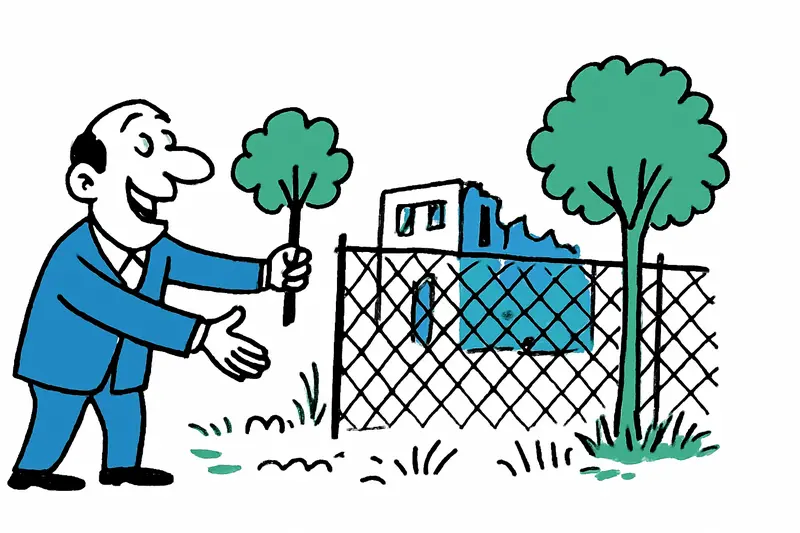
The idea sounds simple but is multifaceted: a fenced, hardly accessible patch of land in the middle of the city will become a permeable park, part of a larger green belt long discussed under the local term “Falca Verda.” Plans include a largely natural section with trees and shrubland — the city calls it an urban forest — as well as a dense network of paths with new access points and areas to linger. The historical buildings will not be ignored either: the distinctive main building and the racetrack itself are to be preserved and carefully restored. Because the area is listed as a Bien de Interés Cultural (cultural heritage site), the renovation will respect the original structure; that is fortunate, since the visible patina tells a story that should not simply be brushed away. Related discussions appear in Luis Sitjar: Palma plans sports, housing and more green — but is it enough?.
How daily life could change
Imagine a morning: joggers who now circle the Avingudes could soon choose shady corridors through new greenery. Parents with prams and dog owners would find routes connecting Parc de Sa Riera with Passeig Mallorca. Two pedestrian bridges toward Parc des Canòdrom are also planned — a direct link to the dog-run neighborhood, something Palma could certainly use. Small changes like more shade, less asphalt heat and a corner with benches do not just alter the look, they change the feel of a street, of a neighborhood.
Why the project matters
Urban green spaces are more than decoration. They reduce heat peaks, provide room for biodiversity, create meeting places and improve air quality. In Palma, where heat and concrete can be noticeable on some days, additional trees really matter. At the same time, the project respects the historic value of the velodrome — a rare combination of nature conservation and heritage preservation in the city center. The fact that roughly 59 percent of the area is planned as green space shows the priority: it is not about classic urban redevelopment but about creating space for people and nature.
What comes next — and how citizens can take part
The timetable is clear: the final project should be ready by the end of the year, and excavators could move in in spring 2027. Until then there is room for ideas: community garden plots, a small educational program about Mallorca's plant life, or planting days where residents help out — measures that would strengthen the bond to the new park. The future use of the historic spaces can also be thought of openly: a meeting point for neighborhood initiatives, exhibition areas on the island's cycling history, or small workshops are options that could bring the area to life without harming the heritage fabric. Similar neighborhood investments are described in Palma bets on El Terreno: Three million for a neighborhood meant to come alive again.
If you walk along the Avingudes now, you smell orange blossoms in late spring, hear children laughing in the side streets and see the bollards marking the formerly cordoned-off site. It is a reassuring image: Palma will not only gain more green but a place where urban histories remain visible and new ones can begin. If everything goes according to plan, nothing stands in the way of the first spring with real foliage instead of concrete in the heart of Palma.
Looking ahead: An abandoned sports ground becomes a green artery — and the neighborhood can help shape it. This creates a shared space from past and urban need that you can already look forward to as you pass by.
Frequently asked questions
What is happening to the old El Tirador velodrome in Palma?
When will the El Tirador park project in Mallorca start?
How much green space will the new El Tirador park in Palma have?
Will the historic El Tirador velodrome buildings in Palma be preserved?
How will the new El Tirador park change walking and cycling in Palma?
Why is the El Tirador project important for Palma?
Can residents take part in the future El Tirador park in Mallorca?
Where is El Tirador in Palma located?
Similar News

Rental Car Theft in El Arenal: What This Incident Reveals About Our Gaps
A teenager steals a running rental car in El Arenal, flees on foot, climbs over walls and is caught by the Guardia Civil...

Red Rope in Palma's Library: What Helps Against Selfie Tourism — and What's Missing
Palma's city library cordoned off an area with a red rope to keep selfie tourism away from reading and working activitie...

Fort San Carlos: Museum, Harbor Dispute — and a Conflict That Demands Answers
The military museum at Fort San Carlos sits right on Palma's harbor, with unexpectedly quiet rooms filled with cannons a...
Old Town Under Pressure: When a Doorway Becomes a Sleeping and Shower Place
For months a woman has been living with a parasol, a clothes rack and personal belongings next to the social welfare off...

When Shopping Weighs Heavier: Mallorca Demands a Tax Pause on Food and Fuel
Rising prices are putting pressure on households and agriculture. The Balearic Islands are calling for temporary tax rel...
More to explore
Discover more interesting content

Can Cap de Bou

Townhouse Lleo 72
