
Arrest at Emaya: When Municipal Property Vanishes at the Scrap Yard
An Emaya employee in Palma was arrested: bollards, traffic signs and aluminum bars apparently disappeared over months. Who failed — the system or individuals?
Arrest at Emaya: When Municipal Property Vanishes at the Scrap Yard
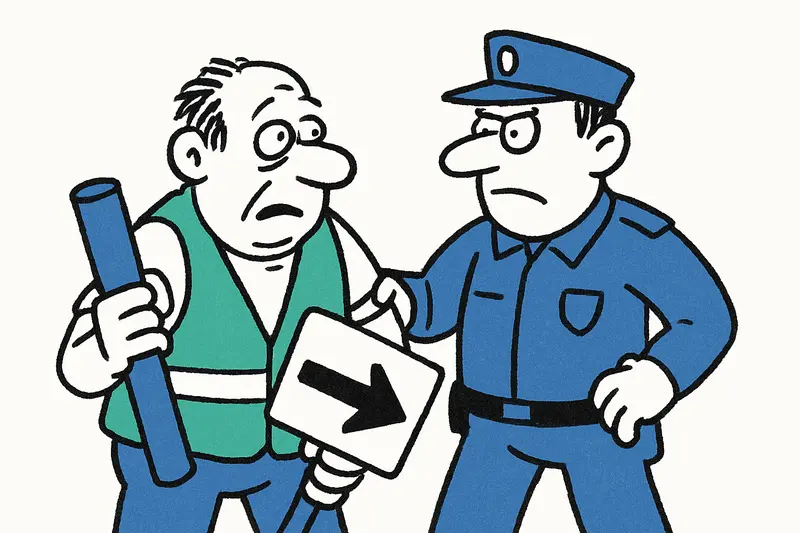
It was one of those mornings when the sun already warmed the hall roofs in Palma, forklifts clattered away and the scent of diesel hung in the air. Then units of the Policía Nacional calmly walked through the halls of the municipal waste management company Emaya — and arrested an employee, according to a local report on an Emaya employee arrested for selling municipal material. The allegation: over months, bollard-like steel parts, aluminum bars and traffic signs were taken from municipal storage halls and resold to recycling centers. The estimated damage exceeds €15,000.
The central question
How could municipal material systematically disappear without internal controls, colleagues or responsible authorities being seriously alerted? This guiding question is not only a legal issue: it is about trust in processes, in people, and in the administration that is supposed to ensure that bollards are where they are needed.
How the theft apparently took place
According to investigators, it happened bit by bit: the smell of diesel, a forklift, nightly or staggered removals. It was always similar parts that went missing — bollards, traffic signs, aluminum bars. tips from colleagues, receipts and surveillance videos traced the trail to several recycling intake points on the island, as detailed in coverage of municipal employees detained for stealing material in Palma. No dramatic heist, rather a long, unspectacular erosion of stock.
Why did the system fail?
This is the point often not discussed enough in public: it is rarely only lone perpetrators. Incomplete inventory management, inconsistent access rules, a lack of digital tracking and a heavy reliance on manual inventories create opportunities for abuse. A weighing slip without secondary checks is easy to falsify; when large daily quantities of scrap metal are handled, no one questions every delivery.
The role of collection points
Before metal lands at the scrap yard, it often passes a collection point. Are these required to strictly verify identities and keep registers? In Palma, between Plaça del Mercat and Passeig del Born, traders at the bar wonder whether a mandatory digital reporting system wouldn't long have been overdue — instead of paper weighing slips that are later difficult to trace.
Overlooked aspects
Four points are particularly significant: first, the working conditions and access rights to depots. Who has keys, who has exceptional rights? Second, the frequency and quality of inventories — once a year is not enough when metal is moved daily. Third, the technical means: barcodes, QR codes, digital logs are often missing. Fourth: informal networks — did other people assist knowingly or unknowingly?
Risks for the city
When bollards and traffic signs disappear systematically, it affects more than budget figures. On Palma's streets this can quickly become dangerous — for pedestrians, cyclists and drivers. Conversations between market stalls and in bars show: people here see the administration as a guarantor of safety. If that fails, trust visibly declines.
Why prevention is more important than reaction
Prosecution is important — the police must do their job. But long-term only prevention helps: digital inventory management, transparent access protocols and clear agreements with recycling centers. It is about stopping the small, inconspicuous erosion before it adds up.
Concrete measures
Clear digital inventory management: Every metal component receives an entry, barcode or QR code, and every movement is documented. No more paper scraps that disappear in drawers.
Stricter access controls: Electronic keys, logging of entries and exits, and limiting access rights to the personnel actually required.
Regular, unannounced inventories: Spot checks carried out without notice and not only once a year.
Agreements with recycling centers: Mandatory digital transmission of weighing slips and identity verification — so that not every ton of scrap metal remains anonymous.
Training and secure whistleblower channels: Employees need safe ways to report grievances without fear of reprisals. A functioning whistleblower system is more than a convenience feature.
Who bears responsibility?
It is tempting to pin everything on a single person. But responsibility also lies with those who design processes: with operations management, the city administration, and those who plan and approve controls. Also with the intake centers that accept metal in payment. The question is: who will learn from this case?
The mood on the ground
Under the plane trees on Passeig del Born and between the stalls at Plaça del Mercat the reaction is mixed. Some see the arrest as a necessary wake-up call; others are disappointed: precisely at a company that advertises clean streets, material was misappropriated. A faint squeak at a hall gate, a forklift turning around — and the hope that the city will draw real consequences from this.
Outlook
Investigations continue, and possible criminal and civil actions are open. Nevertheless, Palma should view this incident as an opportunity: for clear digital inventories, transparent rules and stronger controls. Only in this way will the city protect its property and the trust of the people who live here in the future.
In the end, the question remains that is written on many faces in the old town: Do we learn from the gap in the inventory — or will we soon notice the next one?
Frequently asked questions
Why does Mallorca’s city property disappear from municipal depots without being noticed right away?
What kind of material was allegedly taken from Emaya in Palma?
How serious is the financial damage in the Palma Emaya case?
What makes scrap yards and recycling centers important in cases like this on Mallorca?
Where in Palma did people react most strongly to the Emaya arrest?
What controls could help prevent municipal theft in Mallorca?
Can missing municipal signs and bollards affect safety in Palma?
Is the Emaya case in Palma still under investigation?
Similar News
The End of the Cheap Ride? Why Mallorca Is Hit Harder by the Fuel-Price Shock
Gasoline and diesel average close to two euros per liter. What this means for commuters, supply chains and renters in Ma...
Relaxed liquid rules in Munich: What Mallorca travelers will notice
At Munich Airport the 100-milliliter rule will be lifted at all checkpoint lanes — thanks to new CT scanners passengers ...

For 45 Years on Mallorca — and Then This: How a Market Visit in Santa Ponsa Became a Lesson
A woman who has lived on the island for decades lost money and important documents at the Mercat Setmanal in Santa Ponsa...
10 percent surcharge on the beach: How legal and transparent is the extra charge at Playa de Muro?
A German part-time resident noticed days after a restaurant visit in Playa de Muro that the bill included a flat ten per...

Body near the Llevant Market: What this death says about our city
A man was found dead on Sunday afternoon near the Llevant Market. Police say the death appears natural. The scene raises...
More to explore
Discover more interesting content

Can Cap de Bou

Townhouse Lleo 72
