
New Requirement on Mallorca: What the Emergency Lane Really Means — a Reality Check
New Requirement on Mallorca: What the Emergency Lane Really Means — a Reality Check
The DGT now mandates an emergency lane. How does this work in everyday life on Mallorca's narrow roads, what's missing in the discussion — and how can you avoid trouble with the Guardia?
New Requirement on Mallorca: What the Emergency Lane Really Means — a Reality Check
When and how you must move aside if blue lights appear behind you
Key question: Are the new rules from the Dirección General de Tráfico (DGT) enough to help faster in emergencies — and are they practical on Mallorca's roads?
Since the DGT clarified that drivers will now be legally required to make room for emergency vehicles, many people are suddenly talking about how to react correctly. In short: drivers on the right should move as far right as possible, drivers on the left should move left, so that a clear corridor is created in the middle. The idea is simple; implementation on an island with narrow village streets, full parking areas and tourists suddenly standing on the road is less so.
Analysis: On large motorways like the Vía de Cintura such a maneuver usually works. On the MA‑13 or MA‑19, with several lanes and a wide hard shoulder, there is space. On the other hand there are narrow village centers — for example in Alaró, Artà or parts of Palma — where the lanes are narrow, parked cars block visibility and two‑wheelers weave between vehicles. A middle corridor does not simply appear there. Also: who has priority when avoiding if a bus is stopped in one lane and a small van is rolling slowly in the other? The rule says: move aside. Practice needs more precision. This mirrors challenges on mountain roads, as discussed in Mallorca's Curves without a Racing Heart: Staying Safe on the Tramuntana & Co..
What is missing in the public debate: concrete case examples and simple rules for drivers who use these roads daily. Authorities have explained the principle, some even describe how the markings should look. But a visualization for tricky situations is missing: roundabouts, construction sites, lane narrowings, loading zones in front of supermarkets — and how to deal with motorcycles that snake between cars. Also rarely discussed is how the police will control behavior: will there be warnings, fines, points in the Spanish system?
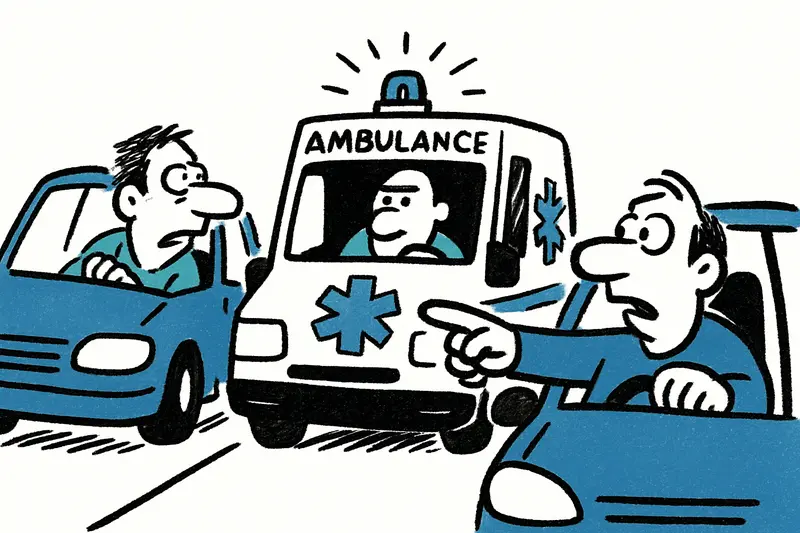
Everyday scene from Mallorca: a Thursday morning on Avinguda de Jaume III in Palma. The tram bell is silent, scooters buzz instead. Suddenly sirens: an ambulance approaches between the cars, tourists with suitcases look confused. Some drivers move right, others remain stopped because a delivery van is parked on the right. A few meters further a car abruptly turns left — this leads to shouting and honking. Such moments show that the best intentions quickly turn into chaos without clear, easy‑to‑remember rules.
Concrete solutions: First, introduce simple mnemonics for drivers — e.g. "right out, left out, middle stays free" — and communicate them widely on traffic radio, parking meters and at roundabouts. Second, practical training for bus and delivery drivers; their slow movement often causes jams. Third, mark temporary traffic guidance at known bottlenecks — pictograms on the road or mobile signs indicating where to move aside. Fourth, publish a clear fines policy; anyone blocking the emergency lane must face visible consequences. And fifth, targeted checks in the first weeks after implementation combined with education instead of immediate punishment — this reduces resentment and increases acceptance.
Why this matters: seconds can mean the difference between life and death. On Mallorca many ambulances are on long journeys when they have to drive through narrow villages; see Ambulances in Mallorca: Temporary measures in December — a question of driving licenses. A functioning emergency lane can save minutes — but only if it is interpreted the same way everywhere.
Conclusion, succinct: the new obligation is the right move — but it remains a piece of paper without practice. Authorities must now go where the rules meet reality: into village centers, loading zones and weekend beaches. Otherwise we'll keep honking in Palma instead of saving lives.
Practical tip to finish: listen to the radio while driving, check your mirrors more often and when merging ask yourself: where could an ambulance need to get through later? A little foresight and clear markings on the road make the difference.
Frequently asked questions
What does the emergency lane rule mean for drivers in Mallorca?
How should you react when an ambulance or police car comes up behind you in Mallorca?
Is the emergency lane easy to use on Mallorca's narrow village streets?
Does the emergency lane rule work better on Mallorca motorways like the Vía de Cintura or MA-19?
Will drivers be fined in Mallorca if they do not make room for emergency vehicles?
What is the biggest problem with the emergency lane in Palma?
What should tourists know about driving in Mallorca when they hear sirens?
What can drivers do in Mallorca to make the emergency lane easier to use?
Similar News
Magaluf: Watchtower Alarm – Lifeguards Pull Unconscious Beachgoer from the Water
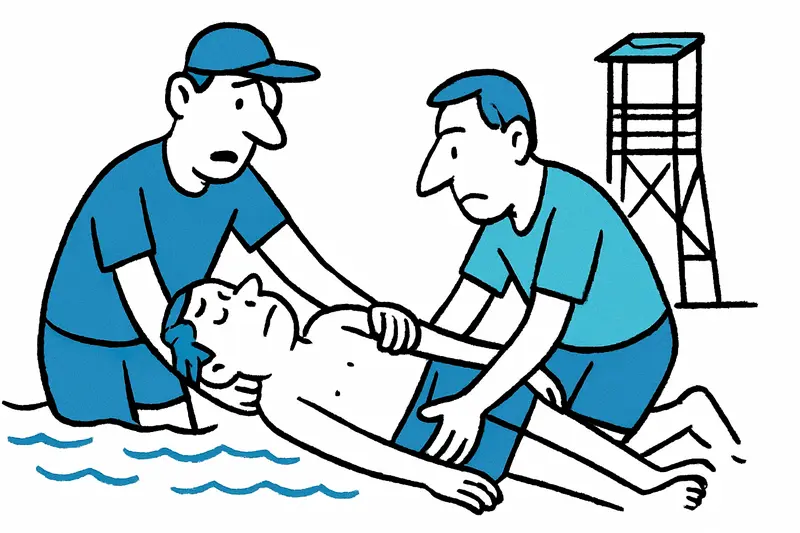
After a drama in the late afternoon, two lifeguards at Magaluf beach rescued an unconscious 44-year-old man. He was stab...
Turquoise in the City: How dangerous is the color play of the Sa Riera?
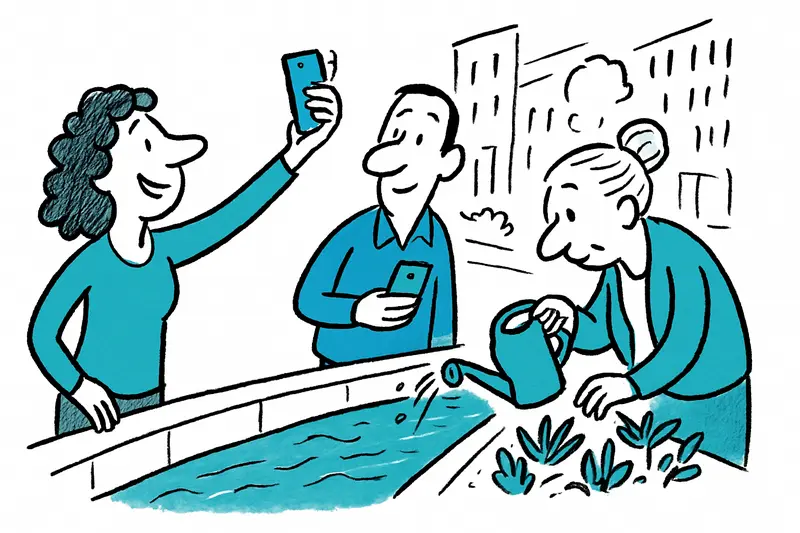
The Sa Riera in Palma suddenly turned turquoise — a pretty motif, but behind the effect lies a discharge of saline waste...

Jeckliner at Sunnesching: Cologne spirit sets sail from Palma
In September 2027 the Mein Schiff 2 briefly becomes a floating carnival stage: four days with Cologne bands, comedy and ...
Finally Home: Mike and Leyla Heiter Buy Villa with Sea View in Mallorca
The reality TV couple Mike and Leyla Heiter have bought a house in Mallorca with a roof terrace and sea view. An Instagr...
Arrest after series in Palma: Who protects apartments from repeat offenders?
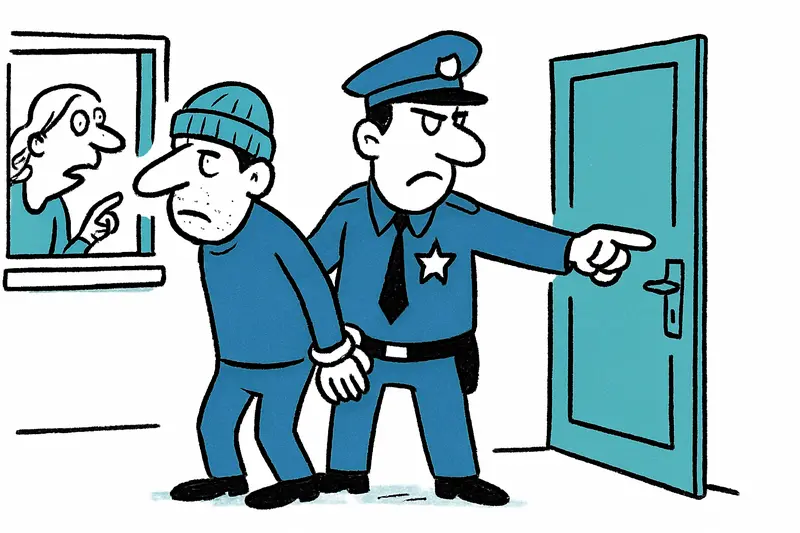
The National Police arrested a man in Palma who investigators say may have broken into several apartments. In one incide...
More to explore
Discover more interesting content

Can Cap de Bou

Townhouse Lleo 72
