
From 'Tolerated' to Author: Emina, the Library and a New Life in Marratxí
How a woman with 'tolerated' status wrote a book through self-education, neighborhood ties and the rhythm of Mallorca — and which gaps the island still has in everyday integration.
Arriving between the Plaça, cherry trees and library shelves
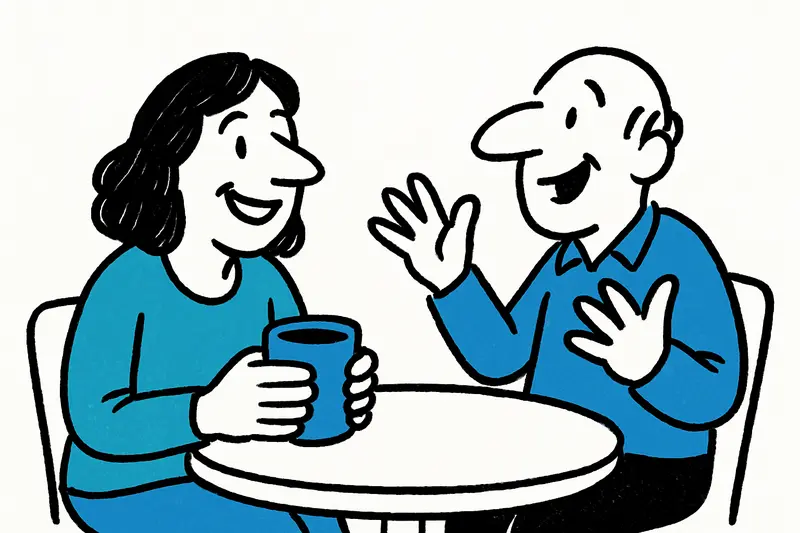
It is one of those hot mornings in Marratxí: ensaimadas scent the bakery at the Plaça, somewhere a bicycle basket rattles, a saleswoman calls a friendly 'bona tarda'. Emina stands at the counter, coffee in hand, ordering the same cup as always. These small routines have given her support in years marked by waiting and uncertainty. Born in 1983 in Doboj, childhood between Belgrade and Kosovo, years in Germany — and for eight years now the rough, dry climate of Mallorca, the shade under the orange trees and the walks below the Serra de Tramuntana. Her detailed personal account appears in Emina Huduti: from war to joy of living — how Mallorca became her new home.
The status that blocks prospects
'Tolerated' — the word hangs like a shadow over large parts of her life in Germany: temporary deadlines, little access to training, constant uncertainty. Many would collapse under it. Emina searched differently: not in big aid funds, but in the quiet corner of the municipal library. Nights with vocabulary, books as teachers, self-study as a survival strategy. From this practice came her latest project: a book titled '100 Days to You' — not a strict guide, but a diary framework, three sections that divide life into manageable actions. 100 days, she says, are long enough to change patterns, short enough not to get lost in details. A horizon that helped her breathe again while waiting.
Why Mallorca and what the island gives back
The start of her path to the island was family: her husband brought her here. But the bond grew through everyday things: the cicadas' chirring in summer, the quiet gurgle of the acequias in spring, the market sellers who after a third visit add a new word to her Spanish. Integration, Emina says, was never about giving up her origins, but a daily negotiation of closeness — a 'bona tarda' at the vegetable stall, a piece of cake from the neighbor, a conversation about the cherry trees in front of the house. Such small rituals shape a sense of home. A similar experience of language opening new opportunities is recounted in How Andrea rebuilt her life in Mallorca by learning Spanish.
Integration as practice — not as a project
Her story makes clear: when formal paths are lacking, people fill the gaps themselves. Libraries, neighborhoods, volunteer initiatives become points of contact. That is admirable, but it is no substitute for systemic solutions. The question remains: why are so many forced to rely on self-help instead of having degrees recognized and access to education and work opened? Politics and administration should start here.
Concrete levers: expand free language and literacy courses in community centers; counseling centers for the recognition of foreign qualifications; mentoring programs at the municipal level that connect newcomers to local craft businesses, cultural initiatives and employers; small grants for creative projects and writing workshops that make talents visible. Practically feasible would also be closer cooperation between the town hall, libraries and neighborhood associations — for example fixed office hours for recognition counseling in the library or joint market days with information booths. Such low-threshold offers open doors without creating large bureaucratic hurdles.
The small happiness and writing as a bridge
In the small house near the Plaça Emina often sits at the kitchen table and writes. She is already working on the next text — more personal, more narrative, an appeal for peace and cultural responsibility. Her lines breathe the island: the scent of orange blossom, the dry air after a long summer, the red cherry blossoms in spring. She keeps saying: 'You must have the courage to move forward.' Not pathos, more a practical instruction: start, act, with what you have.
What the island could learn
The morning in Marratxí left a simple feeling: gratitude for the small things — and the realization that these things often make the difference between stagnation and new beginnings. People like Emina show how self-organization and neighborly help can open life paths. At the same time her example remains an appeal to politics: integration needs spaces — physical (like libraries and community centers) and institutional (like recognition counseling and access to education). If Mallorca uses these levers, the island gains twice: newcomers find a real chance for participation, and the community is enriched culturally and creatively.
In the end there is a simple but not trivial question: how many stories would turn out differently if waiting were not the first but the last option? The answer begins small — at the coffee at the Plaça, with an offer in the library, with a lived 'bona tarda' at the market.
Frequently asked questions
What is Marratxí like to live in for someone settling in Mallorca?
When is the best time of year to enjoy Mallorca’s quieter outdoor life?
What should you pack for Mallorca if you’re staying through the summer heat?
Can you swim comfortably in Mallorca outside the peak summer months?
Why are libraries important for newcomers in Mallorca?
How can newcomers in Mallorca improve their Spanish in everyday life?
What does the Serra de Tramuntana mean for everyday life in Mallorca?
What role do neighbourhood markets play in Mallorca communities?
Similar News
Overflowing garbage piles at Consell–Alaró station: Who is actually cleaning up here?
Sacks, bottles and packaging have been piling up around Consell–Alaró station for months. Missing cameras, full parking ...
Agromart opens large market in Inca: 500 m², terrace and café as a meeting place
On 17 September a new Agromart branch opens in Inca with around 500 m² of sales area, a butcher's, a fresh-food kitchen ...
The End of the Cheap Ride? Why Mallorca Is Hit Harder by the Fuel-Price Shock
Gasoline and diesel average close to two euros per liter. What this means for commuters, supply chains and renters in Ma...
Relaxed liquid rules in Munich: What Mallorca travelers will notice
At Munich Airport the 100-milliliter rule will be lifted at all checkpoint lanes — thanks to new CT scanners passengers ...
For 45 Years on Mallorca — and Then This: How a Market Visit in Santa Ponsa Became a Lesson
A woman who has lived on the island for decades lost money and important documents at the Mercat Setmanal in Santa Ponsa...
More to explore
Discover more interesting content

Can Cap de Bou

Townhouse Lleo 72
