
Enough is enough: Can Picafort's neglected squatted Espigol Beach complex and the failure of those responsible
Enough is enough: Can Picafort's neglected squatted Espigol Beach complex and the failure of those responsible
For years the Espigol Beach complex in Son Bauló has been falling into disrepair: littered rooms, stagnant pools, illegal electrical connections and growing fear among residents. Who will act — and how can the downward spiral be stopped?
Enough is enough: Can Picafort's neglected squatted Espigol Beach complex and the failure of those responsible
A guiding question: Who protects the neighborhood when an entire complex is ground down between law, ownership and housing shortages?
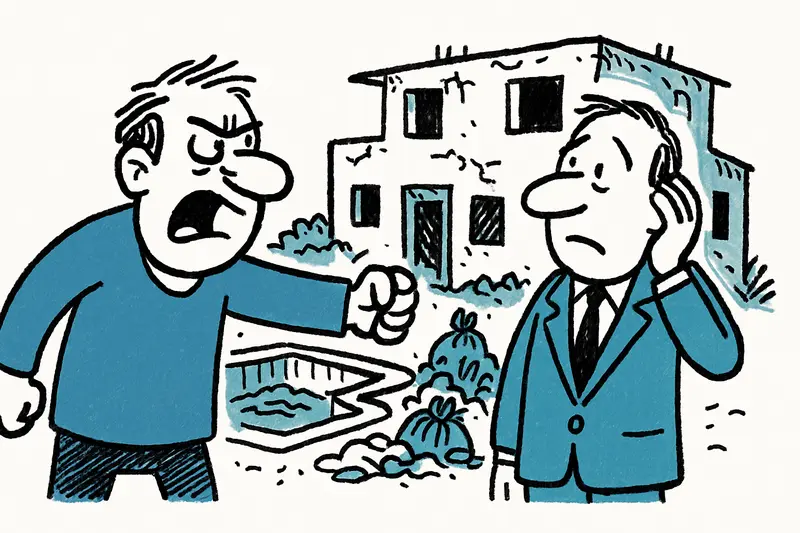
On my early morning walk along the Avinguda de la Platja in Can Picafort you hear seagulls, the crunching of street sweepers and the occasional calls of market vendors. Not far away, behind crumbling walls in the Son Bauló quarter, lies the Espigol Beach complex, as described in Decay on the Promenade: The Espigol Apartments in Can Picafort and the Question of Responsibility. From a distance it looks like a relic from better tourism times. Up close it is another world: piles of rubbish in front of locked doors, two clouded pools with standing water and open windows behind which lights flicker.
Residents' explanation is unequivocal: years of complaints, meetings without results, promises that were not kept. This pattern is outlined in Ya basta: la instalación okupada en ruinas de Can Picafort y el fracaso de los responsables. According to them problems with hygiene, illegal electricity, noise, break‑ins and hazardous water spots that serve as mosquito breeding grounds are increasing. The consequence is not only a dwindling sense of safety but also a real loss in value for surrounding properties.
That is the starting point. The central question is: Why does the administration apparently make no progress? In many cases the answer lies in a legal and administrative no‑man's land: old tourist developments later resold without valid habitability certificates, unclear ownership structures and ongoing court proceedings create a space where neither the municipality nor private owners can take effective short‑term action.
Critical analysis: Instead of clear responsibilities this leads to blockades. The Santa Margalida municipality can report health hazards and initiate inspections, but forced evictions are bound by strict legal requirements. Owners, if they can be located, often shy away from the costs of restoration or formal regularization. At the same time housing shortages in parts of the island create pressure that can push people into these gaps, as covered in Entre hormigón y rompiente: ocupas en Espigol Beach en Can Picafort — ¿a dónde irán las personas?. The result is a vicious circle: neglect encourages occupations, and occupations lead to further decay.
What is missing in the public discourse is sober clarity on three points: first, the exact ownership structure of the complex; second, a coordinated emergency plan between the Ayuntamiento, Policía Local, Guardia Civil, health authorities and social services; third, an honest debate about affordable housing as part of prevention. Too often the discussion remains at the level of blame instead of concrete responsibilities and timelines.
An everyday scene makes this tangible: on a winter evening residents sit on the benches along the promenade while loud music occasionally drifts from the direction of the complex. An elderly couple says they feel the police come only sporadically at night. A mother points to her rubbish bag, which has already been covered several times by discarded furniture. These impressions are what gradually weaken trust in public institutions.
Concrete solutions: Immediate measures should eliminate health risks — pumping out and covering the pools, regular pest control, orderly waste disposal and temporary securing of the buildings by the Ayuntamiento. In parallel, a staged legal approach is needed: check whether coercive measures are possible; if not, at least administrative fines against proven breaches of duty by owners.
Medium to long term there is a social policy component: cooperation between the municipality and the Consell to involve those affected — offers for temporary accommodation, mediation with occupants and social workers, prospects for regularization or orderly relocations, as discussed in Between Concrete and Surf: Squatters at Espigol Beach — Where Should the People Go?. Economic incentives for owners to carry out necessary renovations are also important, combined with clear deadlines and controls.
Finally a practical proposal: a transparent register of problematic properties on the island, complemented by a hotline for residents, can untangle bureaucracy. A task force made up of administrative officials, police, the health authority and social workers could present a binding action plan within weeks — with clear steps and a timeline.
Pointed conclusion: Letting things slide for years is tacit acceptance of decay. Can Picafort does not need more declarations but coordinated action — quick, transparent and focused on the people who live here. Otherwise 'enough is enough' will soon become 'it's too late'.
Frequently asked questions
Why are neglected squatted buildings such a problem in Mallorca?
What can residents in Mallorca do if a nearby building is abandoned and causing problems?
Can the council in Mallorca evict squatters from a private property quickly?
What is happening at the Espigol Beach complex in Can Picafort?
Why do abandoned complexes in Mallorca sometimes end up occupied?
Is the water in neglected pools in Mallorca a health risk?
What should owners of neglected property in Mallorca be expected to do?
Why does Can Picafort keep struggling with neglected buildings?
Similar News
The End of the Cheap Ride? Why Mallorca Is Hit Harder by the Fuel-Price Shock
Gasoline and diesel average close to two euros per liter. What this means for commuters, supply chains and renters in Ma...
Relaxed liquid rules in Munich: What Mallorca travelers will notice
At Munich Airport the 100-milliliter rule will be lifted at all checkpoint lanes — thanks to new CT scanners passengers ...

For 45 Years on Mallorca — and Then This: How a Market Visit in Santa Ponsa Became a Lesson
A woman who has lived on the island for decades lost money and important documents at the Mercat Setmanal in Santa Ponsa...
10 percent surcharge on the beach: How legal and transparent is the extra charge at Playa de Muro?
A German part-time resident noticed days after a restaurant visit in Playa de Muro that the bill included a flat ten per...

Body near the Llevant Market: What this death says about our city
A man was found dead on Sunday afternoon near the Llevant Market. Police say the death appears natural. The scene raises...
More to explore
Discover more interesting content

Can Cap de Bou

Townhouse Lleo 72
