

Eviction in Palma: When a Lawyer Stops Paying Rent
Eviction in Palma: When a Lawyer Stops Paying Rent
In Palma a lawyer was evicted from his offices on the Carrer de Aragó. The story raises questions about prevention, the role of the profession and the judiciary, and everyday life on the island.
Eviction in Palma: Lawyer on the Carrer de Aragó forced to vacate office
Main question: How can it be that a legal professional with a legal background accumulates months of rent arrears and only at the end does the court open the door?
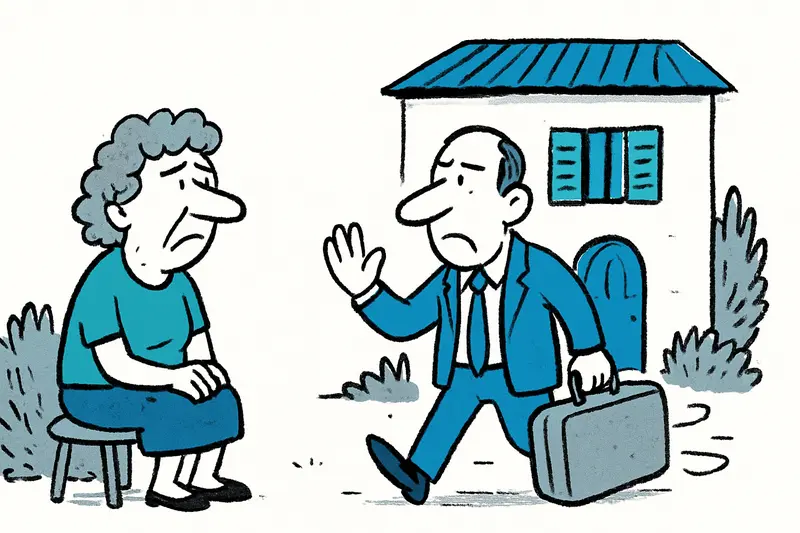
On a grey Thursday, when the street lamps on the Carrer de Aragó still flickered and the clatter of coffee cups from the small café around the corner filled the morning, enforcement officers arrived and put a previously used law office out on the street. The monthly rent was a little over €600, the outstanding amount at the end was around €4,000. Doing the math, that's roughly six to seven months without payment — enough to push a regular tenant out. That it was a lawyer this time is what makes the case remarkable to many.
Facts, briefly: The owning family claims the rent was not paid on time over an extended period. According to people close to them, a lawsuit was filed in the course of which a one-off payment was made through the court; afterwards payments ceased. When the door was opened, the person involved admitted the amount, showed emotion and tried to delay with formal objections. The eviction proceeded formally without violence, but with audible tension. People close to the case say there are alleged earlier similar incidents.
Critical analysis
At first glance this is a simple execution of the law: rent not paid, landlord sues, court orders eviction, a trend reflected in Evictions are rising in the Balearic Islands. On closer inspection, questions arise about prevention, professional ethical responsibility and transparency. A lawyer knows the procedures better than most — or at least should. If someone with that knowledge ends up in this situation, it points to gaps beyond mere legal knowledge: financial strain, possible errors in business management, personal problems or simply a system that reacts late.
There is also the perception in the neighbourhood. If a professionally operating tenant is repeatedly late with payments in an area, that does not go without consequences: the working atmosphere, trust between contracting parties and the willingness to take on new commercial tenants suffer.
What is missing in the public debate
The debate often narrows to the image of a "failure" or to the landlord's satisfaction. Three elements are missing: First, systematic figures on commercial evictions in Palma and how they affect neighborhood structures, as illustrated by a case study on shop conversions and evictions in s'Arenal. Second, a look at preventive advisory services for freelancers and self-employed people who fall into debt collection. Third, a clear presentation of what duties and sanctions professional associations have toward members in such cases — and whether these measures are actually effective.
Everyday scene from the island
At the scene, the small details remain: the smell of freshly brewed coffee, a delivery van honking as it passes the corner, passers-by stopping and whispering. A baker from the Carrer I know shakes his head: "People know each other here, we are not anonymous like in Madrid." Such looks and conversations form the social ground on which rental conflicts grow.
Concrete approaches to solutions
1) Early warning systems: Municipal information offices could advise landlords in cases of repeated payment disruptions, offer mediation and inform about legal steps before it comes to eviction. 2) Mediation as a mandatory step: A short compulsory mediation procedure before filing a lawsuit could often produce practical payment plans. 3) Support for the self-employed: Commercial debtors need easily accessible debt counselling with knowledge of the local market (seasonal business, tourism fluctuations). 4) Professional-legal clarity: The bar association could provide guidelines on how professionals should disclose and manage financial crises, not with automatic sanctions but with prevention offers. 5) Transparency about repeat cases: On a voluntary basis, landlords' associations could exchange information so spaces are not unintentionally let to notorious non-payers.
Concise conclusion: The eviction on the Carrer de Aragó is more than a single incident. It is a mirror of island reality: close-knit neighbourhoods, tight margins for businesses, as discussed in Housing Price Shock in Mallorca: How Legal Large Rent Increases Threaten Tenants, and a legal system that, in hindsight, lacks preventive solutions. Those who live on the island hear the conversations after such an operation for days — not only about law and ownership, but about solidarity, risk and responsibility. If we want livelihoods not to fall apart at the last minute, we must close the gap between legal possibility and social prevention.
Frequently asked questions
What happens if a tenant in Mallorca stops paying commercial rent?
How long can someone go without paying rent before eviction in Mallorca?
Can a lawyer in Mallorca still be evicted for not paying rent?
What should landlords in Palma do if a tenant keeps paying late?
Is mediation available before eviction cases in Mallorca?
Why do commercial evictions in Palma affect the neighborhood so much?
What is the Carrer de Aragó in Palma known for in this case?
What can self-employed people in Mallorca do to avoid rent arrears?
Similar News
Released with Conditions: The Plus Ultra Suspicion and a Mallorcan Finca as Residence
A Dutch entrepreneur, sought in connection with the Plus Ultra case, was extradited to Spain after his arrest in Germany...

Haute Nuit in Puerto Portals: Fashion, Art and Indulgence by the Water
On October 2 the Lobster Club in Puerto Portals will be transformed into a stage for curated fashion, art and culinary e...

Magaluf: Watchtower Alarm – Lifeguards Pull Unconscious Beachgoer from the Water
After a drama in the late afternoon, two lifeguards at Magaluf beach rescued an unconscious 44-year-old man. He was stab...

Turquoise in the City: How dangerous is the color play of the Sa Riera?
The Sa Riera in Palma suddenly turned turquoise — a pretty motif, but behind the effect lies a discharge of saline waste...

Jeckliner at Sunnesching: Cologne spirit sets sail from Palma
In September 2027 the Mein Schiff 2 briefly becomes a floating carnival stage: four days with Cologne bands, comedy and ...
More to explore
Discover more interesting content

Can Cap de Bou

Townhouse Lleo 72
