
Extreme emergency above the clouds: How safe are we still when flying?
Extreme emergency above the clouds: How safe are we still when flying?
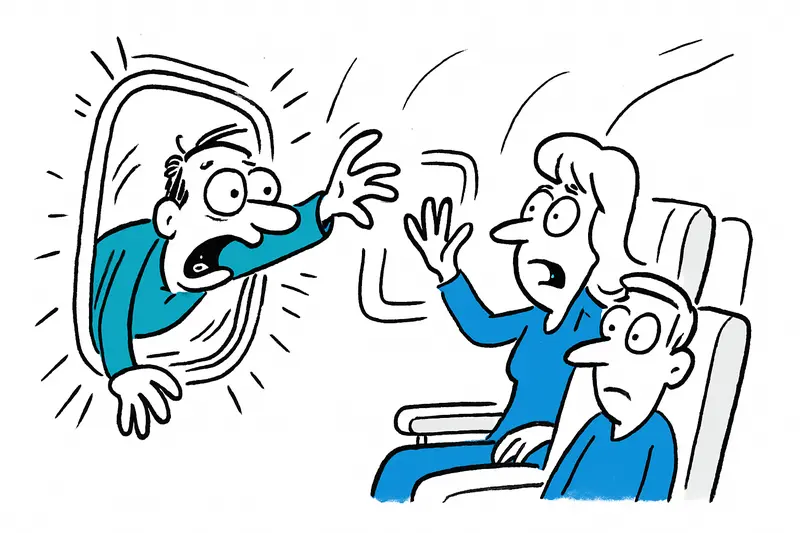
A man was partially sucked out of the cabin after a window broke on a Ryanair flight. We examine what is known, what is missing and which concrete measures are needed now – from technical investigation to more transparency for passengers.
Extreme emergency above the clouds: How safe are we still when flying?
Key question: How could it happen that a cabin window at cruising altitude was destroyed and a passenger was partly sucked out of the aircraft - and what does this mean for passengers who are currently planning their Mallorca holidays?
The core of the incident can be described briefly: Shortly after takeoff on the Thessaloniki–Memmingen route, an aircraft of the airline suffered severe damage to its right engine. A piece of the engine apparently pierced the outer skin and destroyed a window at seat row 11F. A 61-year-old passenger was partially pulled out through the opening, other travellers held him and pulled him back into the cabin. The plane returned to the airport and the man was taken to hospital. The Republic of North Macedonia has opened an investigation, and an accredited representative of the US investigation authority has been sent to provide support. Similar incidents have previously raised concerns, for example Crack in the window — what an aircraft defect means for Mallorca travelers.
Critical analysis: The description of an engine failure that throws parts into the cabin sounds unusual, but not impossible. In civil aviation, engine inspections, fatigue analyses and foreign-object protection are standard. If, despite that, a blade tears off and penetrates the outer skin, this raises several questions at once: Were there prior indications in maintenance records? Was the engine fully checked before the flight? How did the automatic monitoring in the cockpit behave - were irregularities reported and how did the crew react?
Public discourse: So far three things are missing in reporting that are important for travellers. First: reliable information from the maintenance records of the affected aircraft - not only vague statements, but the date of the last overhaul, the number of flight hours and known incidents. Second: transparent statements about the design of the window-to-fuselage connection on this aircraft series - how likely is it that a liberated projectile from the engine hits a cabin window? Third: clear information on the medical condition of the person involved and his current status - without sensationalism, but with respect for the public and the injured person.
What is often discussed on Mallorca but is missing here: At the bus stop on Passeig Mallorca, between tourists with suitcases and older residents, you hear the same worries as at the airport: 'If this can happen, I'd rather sit all the way at the back,' says a woman with a shopping bag. A café on Plaza Weyler fills up, and conversations suddenly turn to the safety of flights to the island. Such everyday scenes show that technical reports quickly become personal fear - and that fear needs concrete answers; local reports such as Frightening Seconds over Palma: Two Flight Attendants Injured have already stoked such worries.
What authorities and the airline should provide: a comprehensible chronology of events, without legal platitudes; release of the relevant maintenance logs to the investigation; and an explanation of which immediate measures in flight operations are being taken to limit similar risks. That investigations are underway is right - but transparency must follow now, not months later, as past turnbacks demonstrate, for example Back after takeoff: What a 'toilet problem' reveals about flight safety.
Concrete solutions: First, short-term: Airlines should clearly inform passengers how to behave in the event of sudden depressurization, and adapt safety briefings to realistic scenarios. Second, mid-term: increased spot checks of engines by independent inspectors, especially for older components, and faster reporting chains from engineers to regulators. Third, long-term: manufacturers and operators must examine whether window and interior panel designs can be made more resistant to external penetrating parts - and whether seat assignments in safety-relevant proximity should be reassessed.
Also practical recommendations for passengers: Those who feel uncertain can choose seats further from the engines when booking; pay attention to the safety briefing and notify the crew immediately of unusual noises in flight. None of this replaces technical clarification, but it can improve personal feelings of safety.
Pointed conclusion: The shock is deep because the idea of being ripped out of the aircraft shell touches elemental fears. But panic does not help. A mix of thorough technical investigation, honest communication by the airline and investigators, and practical safety improvements is desirable. Mallorca needs reliable answers so that conversations at the airport, in bars and at the market are again about holiday expectations instead of fear.
In closing, an image from Palma: the taxi noise in front of the terminal, the smell of espresso in the morning, travellers with sun hats - the island lives from flying. That is why it is in the public interest to investigate such incidents completely and to draw real improvements from them.
Frequently asked questions
When is the best time to visit Mallorca for pleasant weather and manageable crowds?
Can I swim safely in Mallorca?
What should I pack for a Mallorca trip?
How do I get around Mallorca without a car?
What foods should I try on Mallorca?
Are there good hiking options in Mallorca?
Is Palma a good base for exploring the island?
What family-friendly activities does Mallorca offer?
Similar News
Alleged Rape in Palma: How Home Videos Changed the Investigation
A woman reports an assault in Palma. Secretly recorded videos are said to have supported her account. Why migrant women ...
After Major Partners Exit: Palma Rewrites the Rules for the Waterbus
The port authority has changed the rules for the planned waterbus: removal of rigid minimum revenue guarantees, higher u...
Rats in Llucmajor: How Uncollected Garbage Became a Health Problem
In Llucmajor, uncollected trash bags, overflowing containers and rain are leading to increased rat sightings. An assessm...
Sly Distraction Scam at Ballermann: How Tourists Became Targets — and What Must Be Done Now
Five suspected pickpockets were arrested. Their method: distract, secure the loot, return the wallet — without the cash....
Eviction in El Arenal: Who protects neighbors — and who protects the homeless?
A vacant hotel on Carrer Girona was cleared and secured. The neighborhood breathes a sigh of relief. But the action trea...
More to explore
Discover more interesting content

Can Cap de Bou

Townhouse Lleo 72
