
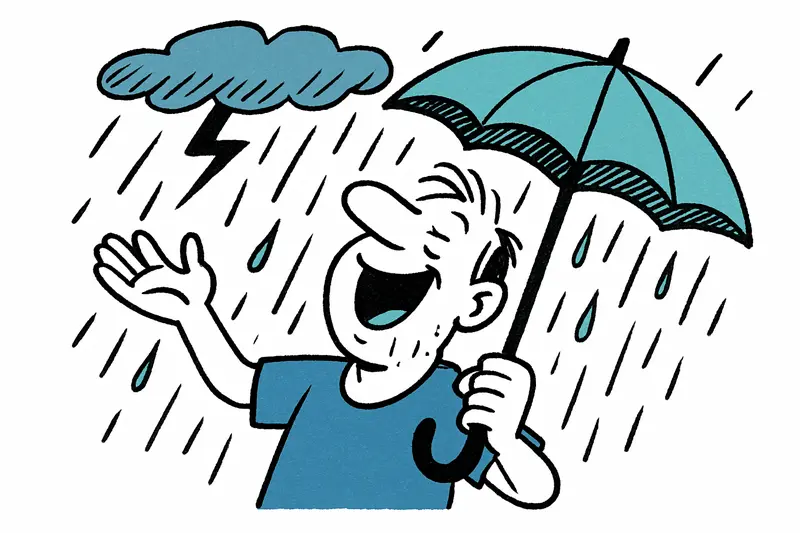
Finally cooler – Thunderstorms bring relief, but also questions for Mallorca's infrastructure
Short, intense thunderstorms have dampened the heat on Mallorca — but the localized heavy rainfall exposes weaknesses in drainage and preparedness. What must municipalities and residents do now?
An evening rain that washed away more than just the heat
The smell of wet earth, the patter on the promenade and suddenly gleaming asphalt: Wednesday evening brought a compact thunderstorm cell to Mallorca with noticeable cooling, as reported in Thunderstorms, Downpours, Cooling and Contrasts: Is Mallorca Ready for Summer Storms? Especially southern and south-eastern municipalities like the area around Santueri near Felanitx and places on the edge of the Serra de Tramuntana, such as Alaró, experienced heavy precipitation in a short time. For walkers it was only a brief spectacle — but for streets, gardens and gutters it was a serious stress test.
The key question: Are Mallorca's drainage systems fit for such short, intense events?
Within a few hours almost 50 liters per square meter were recorded at some measuring points. That's enough for small rivulets to become tiny streams and for roadways to overflow. Such localized intensities are typical for the Mediterranean — and they reveal how vulnerable urban infrastructure can be. Many island towns are not designed for sudden volumes of water. The result: flooded side streets, muddy gardens and drivers forced to stop because visibility and grip suffer. These short, intense episodes and infrastructure weaknesses are discussed in Thursday will be cooler and wetter — but is Mallorca really prepared?
What is often missing from the public debate
Reports about “cooling” initially sound positive. But rarely discussed are questions like how often the sewers are cleaned, how old drainage pipes are, or whether new developments plan enough water retention. Also little noticed is the interaction of climate change and tourism pressure. Warmer seas mean more evaporation, moister air masses and therefore a higher probability of localized showers or even a DANA — a scenario in which local infrastructure is quickly overwhelmed. For further perspective see New Storm Front on Mallorca: How Prepared Are the Island and Its People?
Concrete observations and local differences
Llucmajor reported about 31.5 °C on the day of the storm, while higher terrain such as the Serra d'Alfàbia was around 23 °C. Such temperature differences over a few kilometers are everyday here: a walk from the warm coastal breeze into the shaded facets of the Tramuntana and you feel the change on your skin. At the same time it becomes clear: infrastructure, agricultural areas and tourist spots react differently to the same amount of rainfall. Regional contrasts and affected areas are examined in Sudden Severe Weather: Mallorca Between Heat Haze and Heavy Rain
Concrete opportunities and solutions
The downpours are not only a challenge, they are also an opportunity for better planning. Some measures can be implemented immediately:
Regular cleaning and inspection of roadside ditches and manhole covers. Leaves and construction debris often block drains — a relatively simple measure with a large effect.
Water retention instead of rapid runoff: More retention basins, modern sediment traps and cisterns for rainwater could help capture the peaks and at the same time store water for dry periods.
Nature-based infrastructure: Green roofs, permeable surfaces in new residential areas and more green spaces reduce surface runoff and cool the air.
Early warning systems and local reporting points: Mobile alert apps, improved weather information for municipalities and transparent reporting channels for citizens — all of these increase reaction speed. Local reporting and closures after storms are reported in Thunderstorms over Mallorca: Streets Flooded, Parks Closed — Are We Prepared? Anyone who smelled the rain on the promenade in the evening can, with a photo and precise location, inform authorities and neighbors faster.
What residents can do now
In everyday life: plan for an umbrella, avoid streets with standing water during heavy rain and do not park in natural runoff zones. Garden and property owners should check collection containers and keep gutters clear. Above all: report local observations. Time, street and the behavior of the water are often more valuable to planners than isolated measurements.
Looking ahead
The Mediterranean is currently storing an unusually large amount of heat. That makes the island more susceptible to sudden, heavy showers — and poses new demands on urban planning and tourism infrastructure. The good news: many measures cost less than you might think and deliver additional benefits — cooler streets, more groundwater and less flash-flood risk. If we learn from the single experience “an evening rain cleaned everything,” Mallorca can weather the next downpour more calmly.
If you come from an affected area and would like to share observations (time, street, how quickly the water drained) — write to us. Local impressions help to recognize problems better and find faster solutions.
Frequently asked questions
Why do thunderstorms in Mallorca often cool the island so quickly?
Is it safe to drive in Mallorca during a heavy downpour?
What should I pack for Mallorca in a week with summer storms?
When is the best time of year to visit Mallorca if I want stable weather?
Which parts of Mallorca are most affected by sudden heavy rain?
Why do roads and drains in Mallorca flood so easily after storms?
Can storms help Mallorca with the summer heat?
What can residents in Mallorca do before a heavy rainstorm?
Similar News

Who Bears the Burden? Mallorca Between Tenant Protection and Landlord Fears
Madrid's new housing decrees strengthen tenant rights — but on Mallorca concern is growing: will the law drive small lan...
On the Edge: What Mallorca's Airport Loses If a Major Low-Cost Carrier Falters
The company that operates numerous connections from Palma to France and domestically is negotiating with creditors to re...
Ballermann star Frenzy wins 'Villa of Temptation' and donates prize money to Mallorca animal rescue
Ballermann singer Frenzy won the German reality show and donated the remaining prize money — around €14,080 — to an anim...
70 Trees Removed on Avenida Jaume I: What's Happening in Santa Ponça?
On October 1 the final redevelopment phase on Avenida Jaume I in Santa Ponça begins: 70 trees and old streetlights are t...

When a Boundary Is Crossed: The Case of Isi Glück and the Responsibility of Venue Operators
The singer from Mallorca reports an assault backstage in Halle. A clear guiding question, analysis of missing protective...
More to explore
Discover more interesting content

Can Cap de Bou

Townhouse Lleo 72
