
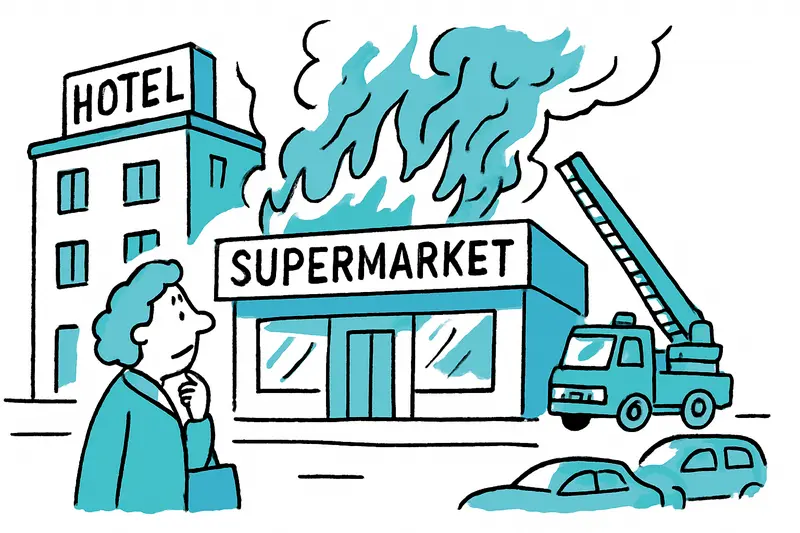
Fire in Can Pastilla: Supermarket behind hotel burns down completely – a reality check
A small supermarket behind a hotel in Can Pastilla burned down completely in the early morning hours. Why a second water tank was necessary and what this means for local safety.
Fire in Can Pastilla: Supermarket behind hotel burns down completely – a reality check
Early Sunday, heavy smoke, two hours of firefighting: What the fire in an 80-square-meter shop at the edge of a hotel reveals about risks and infrastructure
Around 5 a.m. on an otherwise quiet Sunday morning, the crackle of sirens tore the still-sleeping neighbors out of the faint murmur of waves and early delivery vans. In the seaside district of Can Pastilla, a small supermarket at the rear of a hotel was on fire. Local police and fire crews arrived quickly and were soon able to give the all-clear: no one was injured. Nevertheless, the sales area and the storage room burned down completely.
The most important facts in brief: The shop was about 80 square meters; sales and storage areas were destroyed. It took around two hours to extinguish the flames. Firefighting was so demanding that a second water tank had to be requested; parked vehicles nearby were removed by crane to make room for the fire service.
Key question: Why was the first water container not sufficient and what does that say about readiness on site? This question is not only technical; it touches on planning, prevention and the everyday proximity of businesses to hotels in the beachside districts.
Critical analysis: The fact that a second water tank was needed points to a logistical problem. Possible scenarios: distances between hydrants, pipe pressure or the capacity of the first tank supply were limited. Tightly parked vehicles that had to be moved by crane indicate difficult access — every minute counts in fires. At the same time, the location of a supermarket directly next to a hotel is typical for many coastal towns: confined spaces, mixed uses and often older building stock. When storage rooms are densely packed with cardboard, plastic pallets and electrical appliances, the risk of rapid fire spread increases. That no one was injured is both luck and a sign of good first response, but the material damage is large.
What is missing from the public debate: So far attention has focused on the event itself — smoke, flames, operations. What is missing is the debate about structural issues: Are hydrants regularly checked? Is there enough reserve firefighting water for the night hours? How tightly may vehicles park near such properties without blocking escape routes? And: Are small businesses, especially those adjoining hotels, inspected differently than larger supermarkets? Most conversations do not provide answers to these questions.
Everyday scene from Can Pastilla: On the main street the coffee machine in the small café opposite is already humming at six, an older woman with a shopping bag stops, smells the faint, still-warm scent of burning and shakes her head. Children on their way to school point at the blackened facade, men in flip-flops quietly discuss the cars that were removed. The sounds are typical: the screech of crane hooks, the steady drip of firefighting water, occasional calls from the emergency crews. The sea is so close here — but that morning the air smelled of burned cardboard instead of salt.
Concrete solutions: The incident suggests concrete measures that can be checked and implemented relatively quickly:
- Hydrant and water-supply audit for the neighborhoods: Check whether pressure and range are sufficient for simultaneous operations.
- Reserve tanks at strategic points, especially for nights and weekends with heavy tourist use.
- Clear rules for escape routes and stricter controls on tight parking in front of commercial units; consider temporary no-parking rules for events and bottlenecks.
- Mandatory checks for small grocery stores adjacent to hotels: fire protection plans, smoke detectors, fire extinguisher maintenance and safe storage of easily flammable materials.
- Training and information offers for small shop operators and hotel managers: prevention, alarm chains, cooperation with the fire service.
These measures cost money and time — but they are targeted and practicable. An additional water tank on site might have bought minutes; clearly regulated parking areas would have avoided moving vehicles around.
Conclusion: The fire in Can Pastilla is not an isolated drama but an indicator of gaps in infrastructure and organization in popular coastal towns. Fortunately, no people were injured. Now is the time for inspection protocols, clearer rules and joint exercises by hoteliers, shop owners and emergency services. When we sit down for coffee after the fire, the conversation should not only be about the smoke, but about how we can prevent such scenes in the future or significantly reduce their consequences.
Frequently asked questions
What is the best time to visit Mallorca for good weather and fewer crowds?
Is it possible to swim in Mallorca outside peak summer months?
What should I pack for a trip to Mallorca?
How can I get around Mallorca without a car?
Are there family-friendly beaches in Mallorca?
What languages are spoken and what currency is used in Mallorca?
What are some outdoor activities to do in Mallorca?
Do I need a visa or special travel documents to visit Mallorca?
Similar News
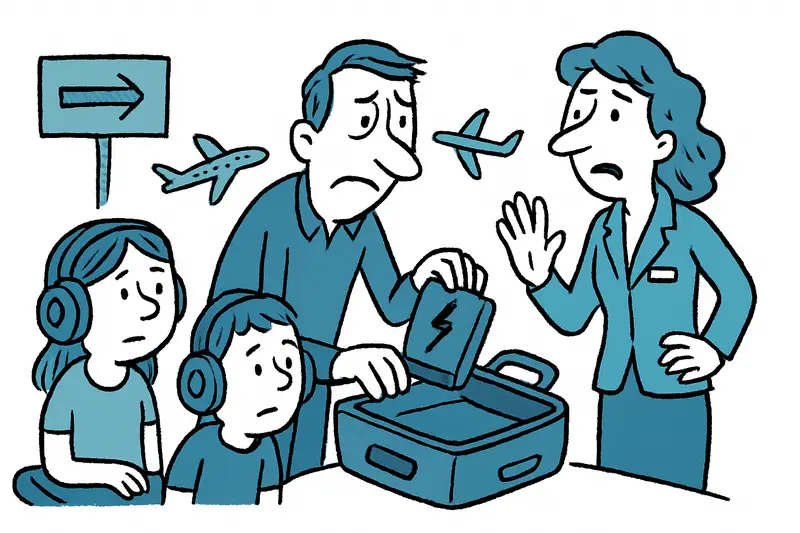
After a Powerbank Fire on a Plane: What Mallorca Travelers Need to Know
A powerbank fire on board makes clear: batteries belong in carry-on luggage — and travelers, airports and airlines must ...
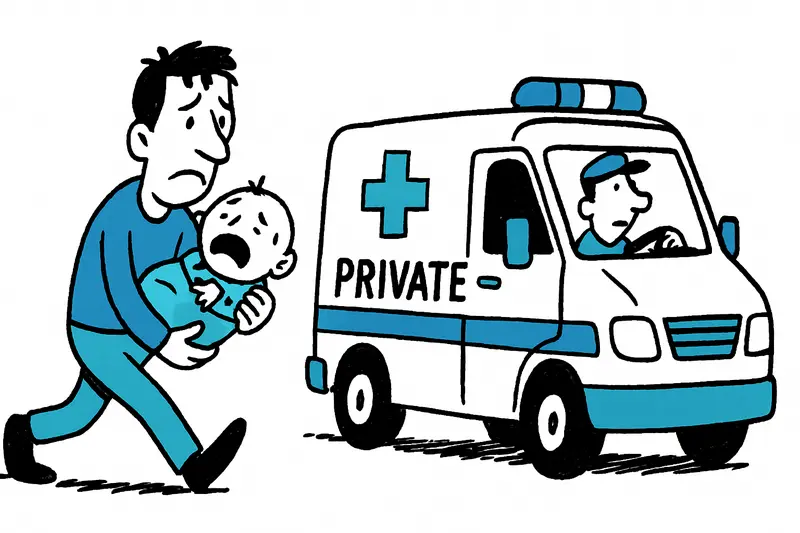
Private Ambulance in Mallorca: Why a Father Had to Pay €695 Out of Pocket
A German holidaymaker paid €1,095 after an emergency involving his nine-month-old son. His health insurer reimbursed onl...
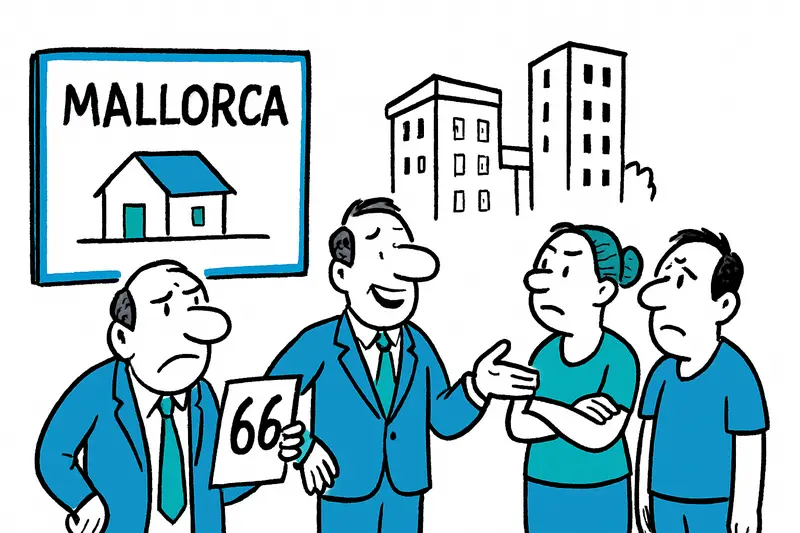
Real estate boom in Mallorca: 66 new estate agencies — who is being built for?
In the first nine months of 2026, 66 new real estate intermediaries were registered in Mallorca's commercial register. A...
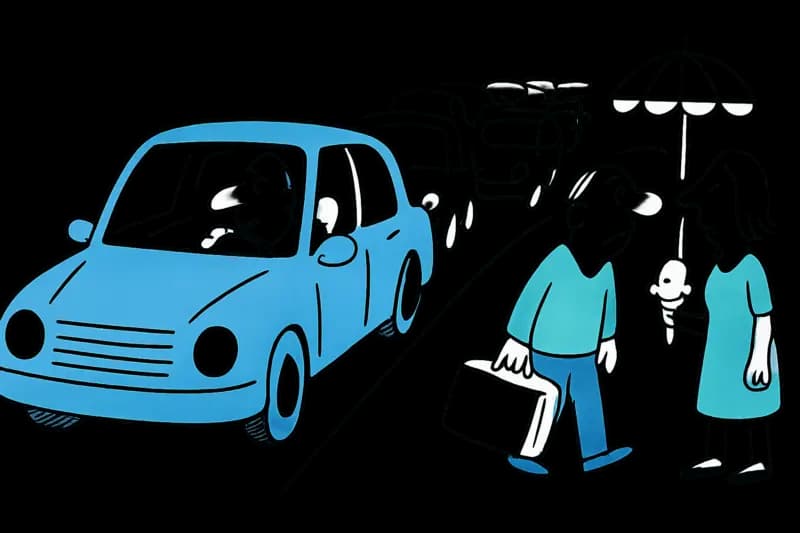
Palma at the Capacity Limit: Who Plans for Peak Days?
Four cruise ships, kilometer-long traffic jams in front of shopping centers and full car parks: the long weekend showed ...
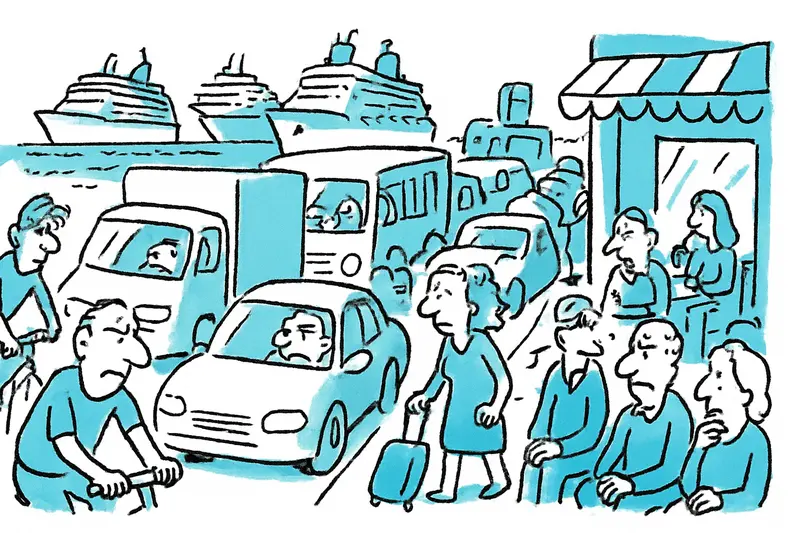
When Palma Overflows: Why the Long Weekend Brings the City to a Standstill
Four cruise ships, overfilled parking garages and a two-kilometre traffic back-up in front of the Fan entrance: who is r...
More to explore
Discover more interesting content

Can Cap de Bou

Townhouse Lleo 72
