
After a Powerbank Fire on a Plane: What Mallorca Travelers Need to Know
A powerbank fire on board makes clear: batteries belong in carry-on luggage — and travelers, airports and airlines must communicate more clearly. Key questions, risks and concrete tips for flights from Mallorca.
After a Powerbank Fire on a Plane: What Mallorca Travelers Need to Know
Guiding question
Guiding question: How can passengers departing from Palma prevent a faulty battery from turning into hazardous cargo on board?
Critical analysis
A battery that catches fire in an overhead bin is no longer an abstract safety video but a concrete incident with smoke, heat and a nervous cabin crew. Such cases are increasing worldwide; the cause is always the same: lithium-ion cells can suddenly react if damaged or if they have internal defects. Important for Mallorca travelers: these batteries do not belong in the cargo hold. In practice, however, rules, implementation and enforcement diverge. Airlines like Ryanair, Wizz Air or groups like Lufthansa do have regulations — for example quantity limits and watt-hour caps — but passengers at the counter do not always receive clear information. At the check-in of Son Sant Joan airport I often hear people asking while trolleys clatter and announcements about gate changes blare. It is precisely in this hectic environment that mistakes happen.
What is missing from the public debate
There is a lot of reporting on individual incidents, and little on how the system can be made safer: clear, uniform rules, visible signs at the airport, simple markings on devices and mandatory checks at check-in. Hardly discussed is how damaged or aged powerbanks can be properly disposed of before a flight. In Mallorca there are recycling points (Punt Verd), but not every tourist can easily find a drop-off option on short notice.
Everyday scene from Mallorca
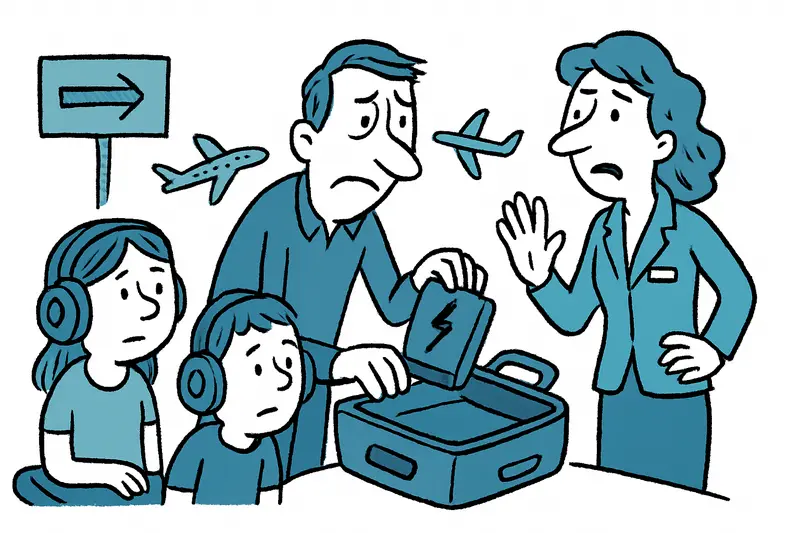
Picture it this way: a father at Terminal B, bag half open, children next to him with headphones on. He puts the powerbank in the checked suitcase because no one told him it is risky. Outside buses roll toward Palma, the smell of brewed coffee drifts through the building. The crew makes routine safety rounds — until someone notices smoke coming from an overhead bin. Such scenes can be avoided if rules are understood and practically applicable.
Concrete solutions for travelers
- Packing: Always put powerbanks and spare batteries in carry-on luggage and keep them accessible, not in checked baggage.
- Check: Inspect the device for visible damage (deformation, discoloration, loose contacts). If the powerbank becomes unusually hot: do not use it.
- Know the specs: Read the watt-hours (Wh) on the battery or datasheet. Many airlines allow up to 100 Wh without permission; up to 160 Wh only with prior approval; anything above is prohibited.
- Onboard behavior: Some carriers prohibit charging during flight or even the use of certain devices; therefore read the airline rules before departure. Do not plug in the device if it is forbidden.
- Disposal: Do not throw damaged batteries into household waste; take them to a recycling point or a specialty shop. At Son Sant Joan it is worth a short trip to the information desk instead of risky behavior.
Concrete solutions for authorities and airports
- Visible notices at check-in counters and security zones: short graphics, not legal text.
- Drop-off points for old or damaged batteries at the terminal, well accessible and clearly multilingual.
- Uniform labeling requirement: watt-hour numbers should be clearly legible on powerbanks.
- Training for ground staff so they can advise consistently on suspicious devices and not only react when asked.
What airlines can do immediately
- Uniform practice instead of differing rules: clearer communication of allowed quantities and charging requirements when purchasing tickets.
- Provide fireproof bags or containers at the gate for suspicious devices.
- Clear announcements before boarding: one sentence in several languages is more effective than a printed notice no one reads.
Concise conclusion
In short: the danger arrives quietly but is avoidable. For Mallorca passengers the simple rule applies: battery in carry-on, check its condition, respect airline rules. Airports and airlines must do the rest — with clearer signs, collection points and consistent checks. That way the holiday on the island remains in memory, not an onboard emergency.
Frequently asked questions
When is the best time to visit Mallorca for a beach vacation?
What should I pack for a trip to Mallorca?
Are Mallorca beaches safe for swimming?
What are the top sights to see in Palma de Mallorca?
What family-friendly activities are popular in Mallorca?
How can I get around Mallorca?
What day trips or excursions are worth considering from Mallorca?
What is Mallorca’s weather like throughout the year?
Similar News

Fire in Can Pastilla: Supermarket behind hotel burns down completely – a reality check
A small supermarket behind a hotel in Can Pastilla burned down completely in the early morning hours. Why a second water...
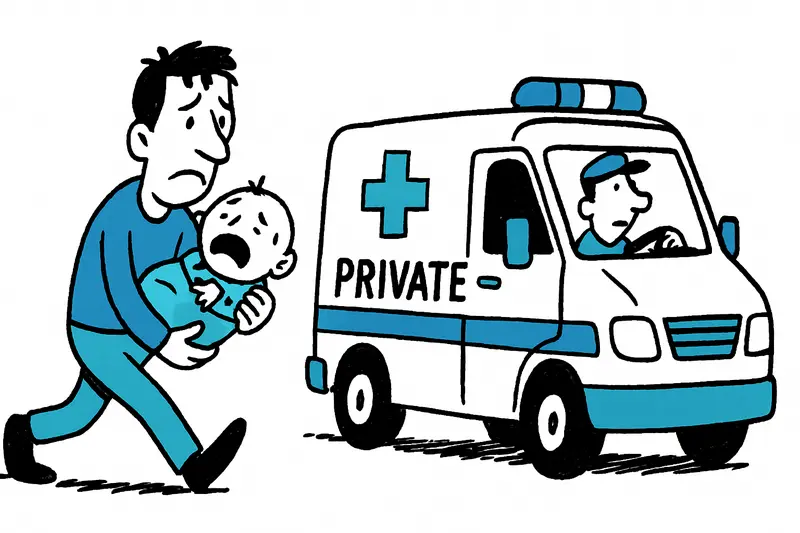
Private Ambulance in Mallorca: Why a Father Had to Pay €695 Out of Pocket
A German holidaymaker paid €1,095 after an emergency involving his nine-month-old son. His health insurer reimbursed onl...

Real estate boom in Mallorca: 66 new estate agencies — who is being built for?
In the first nine months of 2026, 66 new real estate intermediaries were registered in Mallorca's commercial register. A...
Palma at the Capacity Limit: Who Plans for Peak Days?
Four cruise ships, kilometer-long traffic jams in front of shopping centers and full car parks: the long weekend showed ...
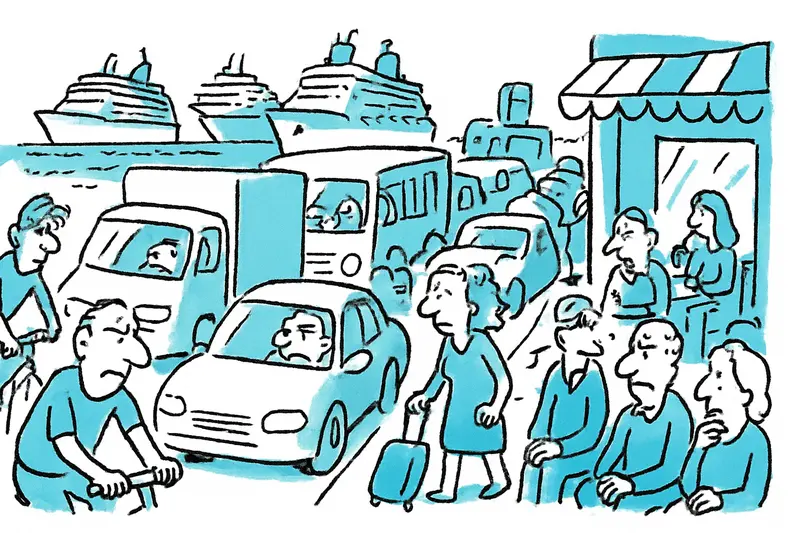
When Palma Overflows: Why the Long Weekend Brings the City to a Standstill
Four cruise ships, overfilled parking garages and a two-kilometre traffic back-up in front of the Fan entrance: who is r...
More to explore
Discover more interesting content

Can Cap de Bou

Townhouse Lleo 72
