
Fire in Son Serra Parera: Who Protects the Defenseless?
Fire in Son Serra Parera: Who Protects the Defenseless?
A fire in a makeshift home on Carrer de Joan Mascaró i Fornès once again highlighted the danger facing the informal settlement at Son Serra Parera. No one was injured, but questions about prevention and responsibility remain.
Fire in Son Serra Parera: Who Protects the Defenseless?
A guiding question: Why is prevention so patchy on the edge of Palma?
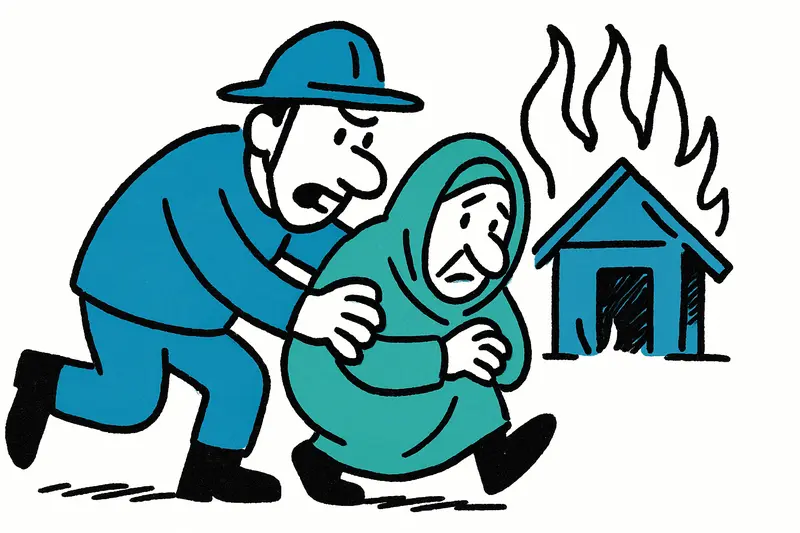
On Thursday evening, around 6 p.m., an acrid smell of smoke hung over Carrer de Joan Mascaró i Fornès. Flames rose from a makeshift hut of about 50 square metres, which neighbours and drivers on the nearby Via de Cintura watched from a distance. Fire service vehicles rushed to the scene, supported by local police units. No one was injured. Still: the fire could easily have ended far more disastrously.
The situation was typical for the area at the border of Son Serra Parera, not far from the supermarket and the large Ocimax cinema complex, reflecting patterns described in Fire on the outskirts of Palma. The shelters there are often built from wood, textiles, old tyres and collected household goods. Such materials burn quickly and produce thick clouds of smoke that drift over adjacent neighbourhoods. Residents reported that people filmed with their phones from a safe distance, others gathered pets and called acquaintances together.
The blaze remained confined to one hut. Firefighters later praised the spacing between the dwellings and the surrounding vegetation for preventing the fire from spreading. That sounds like luck rather than planning. It is striking that people from different countries live in this settlement; on-site observations show shopping trolleys, small vegetable plots and even chicken coops, alongside growing piles of rubbish at the edges. The area has long taken on the character of permanent settlement — without formal infrastructure.
This is where the guiding question arises: why are visible, reliable measures for fire and life safety missing precisely in places that have existed for years? Public debate is usually dominated by legal questions or short-term eviction discussions, as in cases such as Valldemossa: Violence During Attempted Occupation. What is clear, however, is that if people live there permanently, pragmatic prevention is needed, not only police presence.
Critical analysis: the current situation reveals several failings. First: lack of extinguishing and water supply in the immediate vicinity. Fire services can only put out fires as quickly as water and access routes allow. Second: missing waste disposal increases the fire load; tyres, cardboard and plastic provide ample fuel for the fire. Third: a lack of social framework — fixed contacts, health and advisory services and easy-to-understand fire safety information in several languages are scarcely present. Fourth: an urban planning failure — the settlement grows along a traffic corridor but without formal regulation, leaving prevention measures neglected.
What is under-represented in public discourse is the perspective of the residents. Many have work, children or animals; for them the camp has become a home despite its precarity. Also rarely discussed is long-term prevention: simple, inexpensive measures could significantly reduce the danger without complex legal changes.
A small everyday scene from here: the next morning an elderly woman stands at the bus stop on the Carrer and tells the coffee stall on the corner that she saw the glow of the fire at night. A teenager wipes black soot particles from his jacket while traffic rolls on the ring road in the background and the supermarket loudspeakers briefly play a jingle. The banal sounds of the city mix with the traces of the event.
Concrete, actionable suggestions: 1) Rapid installation of water points and simple hydrants at the edges of the settlement; 2) regular collections of bulky waste and tyres, supported by municipal collection points; 3) creation of fire service and evacuation routes with clear signage; 4) local prevention training in multiple languages, organized with NGOs and neighborhood representatives; 5) installation of fire safety stations with sand and extinguishing materials at central points; 6) offers of temporary legal accommodation in case of major evacuations; 7) long-term strategy: social housing offers and procedures to properly integrate the settlement into urban infrastructure.
These measures cost money, but they are cheaper than recurring emergency responses and humanitarian crises, as with nighttime fires in S'Albufera with six ignition points. Much can also be implemented quickly: adjust waste collection schedules, set up a mobile team for fire safety training, cooperate with community doctors for vaccination and health checks.
Who bears responsibility? The city administration, rescue services and social services. Equally important are civil society initiatives: neighborhood groups, churches and local businesses can help build bridges. The other side of the coin is political: as long as short-term reactions dominate, structural risk will remain.
Conclusion: the fire on Carrer de Joan Mascaró i Fornès was not an isolated event but a wake-up call. We need pragmatic, local solutions that combine safety and dignity. People living on Palma's streets and edges must not be seen only as a problem. Protection from fire begins with cleaner pathways, accessible water and clear points of contact — and ends with concrete prospects for a safe home.
Frequently asked questions
Why are fires on the outskirts of Palma such a serious risk?
What should residents in Mallorca do if they see smoke near a settlement?
Why does rubbish make fire risk worse in informal settlements?
What fire prevention measures would help in Mallorca settlements without formal infrastructure?
Is it safe to live near Son Serra Parera on the edge of Palma?
Who is responsible for fire safety in informal areas of Palma?
Why do small fires in Mallorca settlements sometimes become major emergencies?
What long-term solution is needed for settlements like Son Serra Parera in Mallorca?
Similar News

Rental Car Theft in El Arenal: What This Incident Reveals About Our Gaps
A teenager steals a running rental car in El Arenal, flees on foot, climbs over walls and is caught by the Guardia Civil...
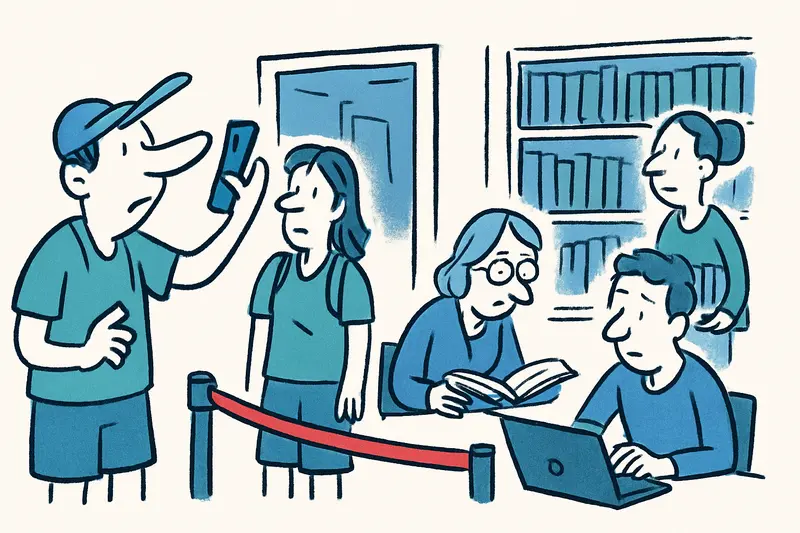
Red Rope in Palma's Library: What Helps Against Selfie Tourism — and What's Missing
Palma's city library cordoned off an area with a red rope to keep selfie tourism away from reading and working activitie...

Fort San Carlos: Museum, Harbor Dispute — and a Conflict That Demands Answers
The military museum at Fort San Carlos sits right on Palma's harbor, with unexpectedly quiet rooms filled with cannons a...
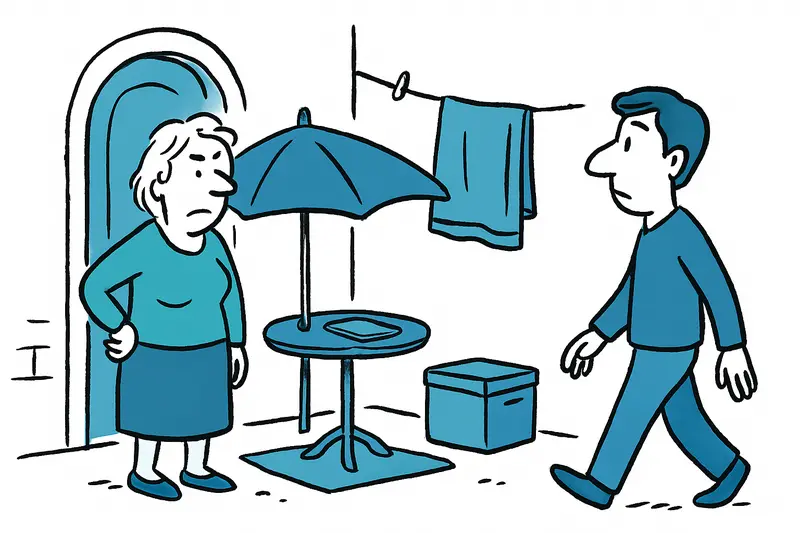
Old Town Under Pressure: When a Doorway Becomes a Sleeping and Shower Place
For months a woman has been living with a parasol, a clothes rack and personal belongings next to the social welfare off...
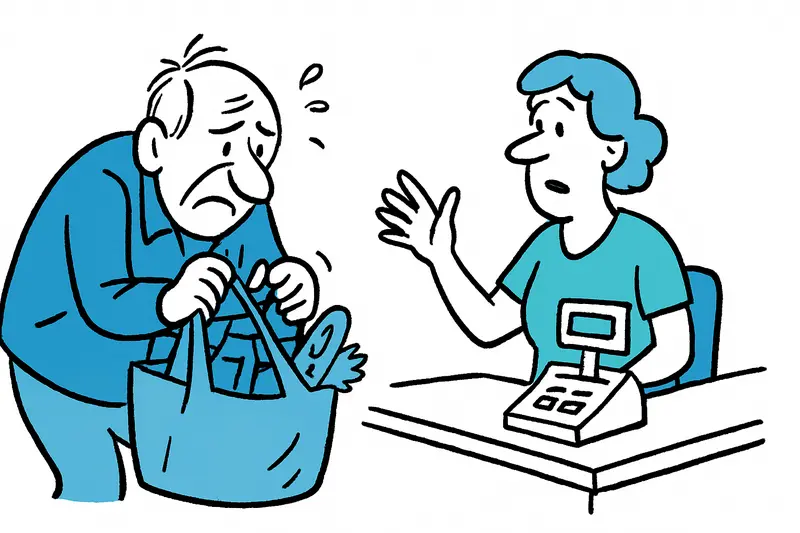
When Shopping Weighs Heavier: Mallorca Demands a Tax Pause on Food and Fuel
Rising prices are putting pressure on households and agriculture. The Balearic Islands are calling for temporary tax rel...
More to explore
Discover more interesting content

Can Cap de Bou

Townhouse Lleo 72
