
Fire in Sa Coma: Reality Check on Evacuation, Prevention and Responsibilities
Fire in Sa Coma: Reality Check on Evacuation, Prevention and Responsibilities
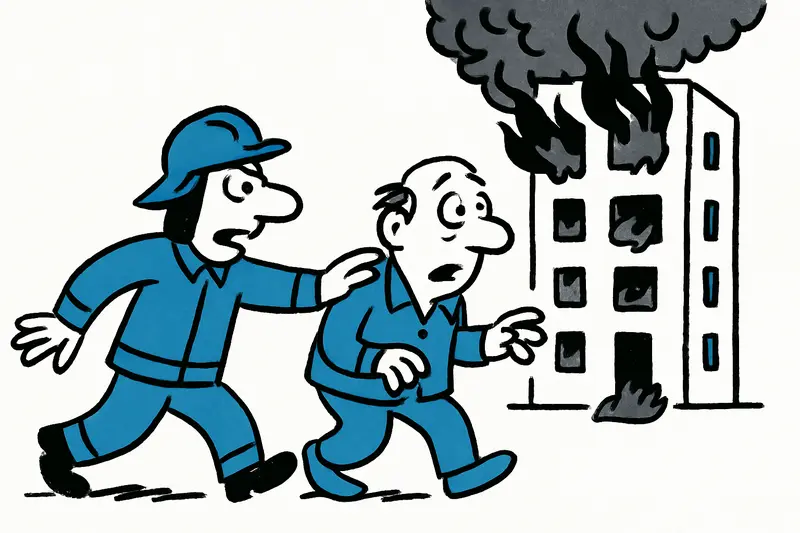
In Sa Coma a six-storey residential building caught fire. 60 people were evacuated, 22 were injured. A sober analysis: what went well and what is missing in protecting our holiday resorts?
Fire in Sa Coma: Reality Check on Evacuation, Prevention and Responsibilities
Key question: What does the fire in a six-storey building on Calle Ficus say about our emergency preparedness in tourist places like Sa Coma?
Early on Saturday morning sirens tore the usually quiet Calle Ficus from sleep. Fire engines from Manacor, Artà and Alcúdia rushed in, SAMU061 paramedics evacuated about 60 people, and 22 people were treated, including five police officers with smoke inhalation. Those are the hard facts. Fire at Alcúdia Hotel: Evacuation Succeeds — What Lessons Will the Island Learn?
The situation in Sa Coma is unique: a wide, shallow beach, hotels and apartment blocks, many holidaymakers, promenades empty in winter and crowded streets in summer. Walking along the seafront you hear the sea, occasionally a boat horn, see rolling suitcases and hear German, English and Mallorquí. This exact mix makes dealing with dangers more complicated: temporary residents don't know escape routes, language barriers hinder quick information, and owners and landlords are often not on site. Fire in hotel at Playa de Palmanova: Evacuation, no injuries — and unanswered questions
Critical analysis: the fast response of the three fire stations points to a functioning alarm chain. At the same time, it remains unclear how routines for large fires in six-storey buildings are standardized in a settlement structure like Sa Coma. The fact that so many people were evacuated while only parts of the residents were instructed to stay in their flats raises questions about risk communication. Why were some residents evacuated and others not? Was the decision made by building sections, by smoke danger, or by some other logic? Fire in Port d'Alcúdia: Why the big scare is also a wake-up call for fire safety
What is often missing in public debate are preventive measures that go beyond occasional inspections. It is not just about fire engines or the number of personnel. Relevant are: regular checks of electrical installations in holiday apartments; functioning smoke detectors in every sleeping room; clear, multilingual signs at stairwells and emergency exits; binding fire safety plans for landlords; and the question of who bears the costs when such measures must be implemented.
An everyday scene many here know: after breakfast an older couple from the hinterland heads to the beach. They live in winter in a small apartment building on Calle Ficus. They know the neighbours and greet the hotel staff. When the sirens wail they stand on the street with other guests still in their nightclothes. A police officer asks questions in Spanish, a paramedic comes with a translation sheet. The chaos is brief but palpable. This scene shows: evacuation works, but it is improvised.
Concrete solutions that can be implemented quickly: mandatory smoke detectors in all holiday accommodations with annual checks; simple, clearly visible escape plans in several languages in each apartment; a local register for landlords with guidance on fire safety obligations; annual joint exercises for fire services, police, SAMU and hotel/apartment managers; a fund for rapid emergency aid to secure temporary accommodation and medical care for those affected; and better information channels for guests, for example QR codes in apartments that display emergency numbers, assembly points and instructions in case of emergency.
On an organizational level it should be examined whether the resource allocation of the fire stations for tourist hotspots is sufficient. Manacor, Artà and Alcúdia responded — but an analysis of response times and the availability of breathing apparatus and high-angle rescue teams during peak periods (summer holidays, events) would be sensible. Cooperation with health services must also be planned so that mass evacuations do not lead to bottlenecks in hospitals. The risks to crews and the need for coordinated deployment have been underlined by incidents such as Heavy Deployment in Inca: Firefighter Injured — and the Big Questions That Follow
What politicians and administrations should do now: disclose which inspections have taken place in recent years; adopt a fire protection concept for holiday resorts that clearly defines responsibilities between owners, landlords and the municipality; and invest in the public — in education, in multilingual materials and in regular exercises. The residents of Sant Llorenç de Cardassar and the people in the hotels deserve more than emergency care: they deserve reliability.
Conclusion: The fire in Sa Coma is a reminder that emergency rescue ultimately depends on people: firefighters, paramedics, police and neighbours. The quick help prevented worse. Yet the incident also reveals gaps — in prevention, communication and planning. Those who live here or spend their holidays here should expect concrete guidance, a clear plan and tangible improvements after the shock. And those who bear responsibility should deliver now.
Frequently asked questions
How serious was the fire in Sa Coma?
What should holiday accommodation in Mallorca have for fire safety?
Why are evacuations in Sa Coma more complicated during the tourist season?
What can landlords in Mallorca do to improve fire prevention?
Was the emergency response in Sa Coma quick?
Do holiday apartments in Mallorca need multilingual fire instructions?
What should guests in Sa Coma check when staying in an apartment building?
Why are fire drills important in Mallorca tourist areas?
Similar News
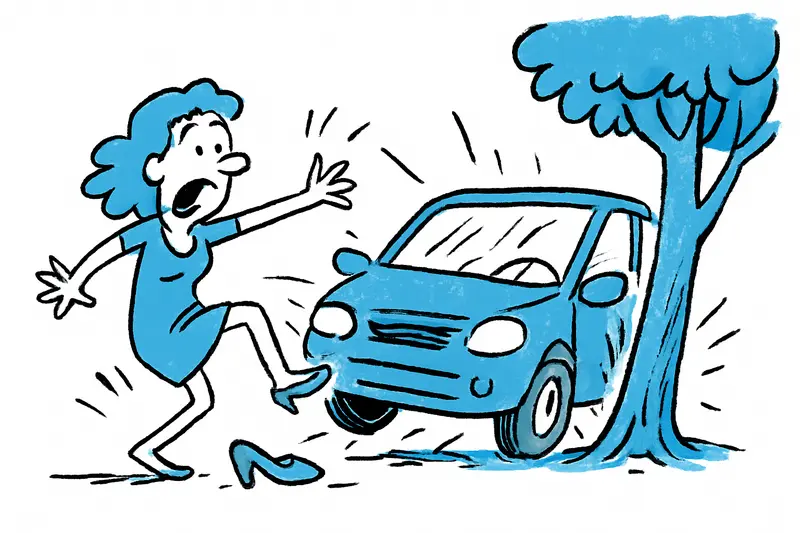
High heel slips, car accelerates: accident on Camí de Son Hugo
A woman lost a high-heeled shoe on the forecourt of the sports facility at Camí de Son Hugo. The car accelerated, mounte...
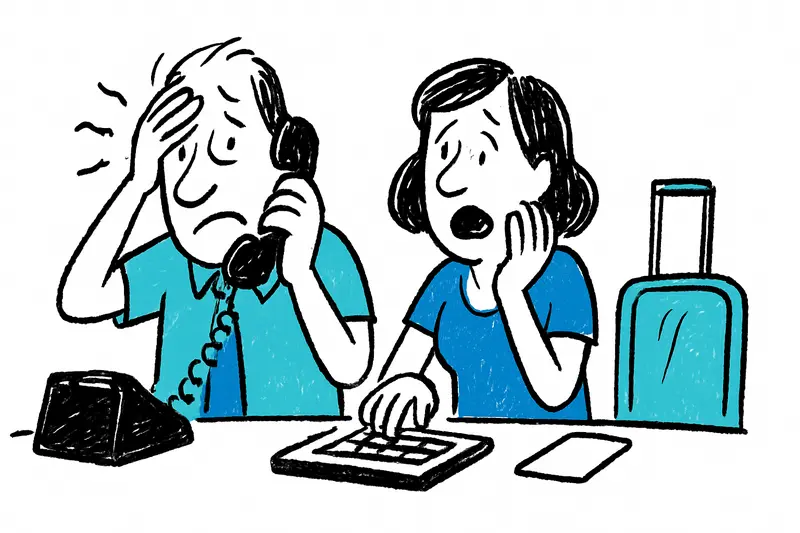
Phone Scam: How Two Hotel Employees at Playa de Palma Lost Thousands of Euros
One morning in September, two reception employees at Playa de Palma were pressured by alleged alarm-company staff — in t...

When the Wallet Becomes a Danger: Attack in Peguera and Lessons for Mallorca
In Peguera, two women are said to have stolen the wallet from a 75-year-old German couple. When the victim intervened, t...
Plata stays Plata: Young people take over, Llonguets remain
A small bar on Carrer de l'Argenteria will continue: Tolo Serra hands the place over to young Mallorcans at the end of t...
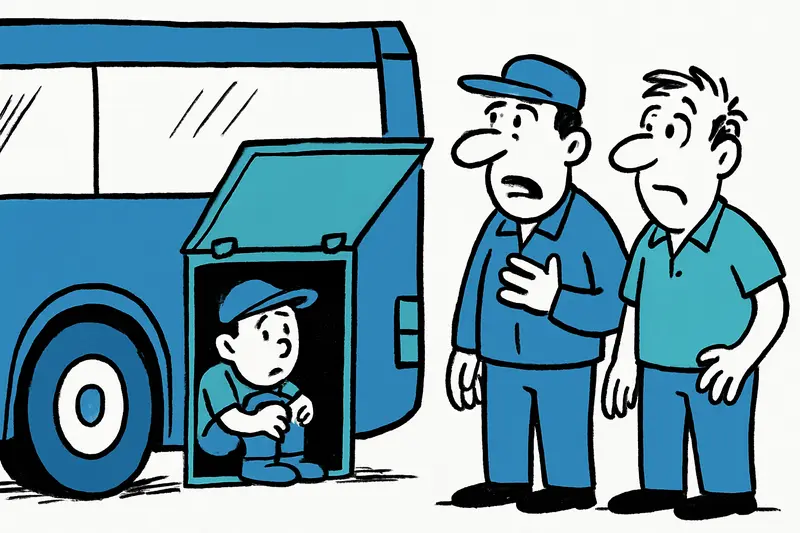
Unnoticed in the Luggage Compartment: How a Boy Traveled More Than 100 Kilometers in a Team Bus
A minor traveled in the undercarriage of a team bus for more than 100 kilometers until his cries for help were heard. A ...
More to explore
Discover more interesting content

Can Cap de Bou

Townhouse Lleo 72
