
From Fire Station to Police Precinct: A Step — But Which One?
From Fire Station to Police Precinct: A Step — But Which One?
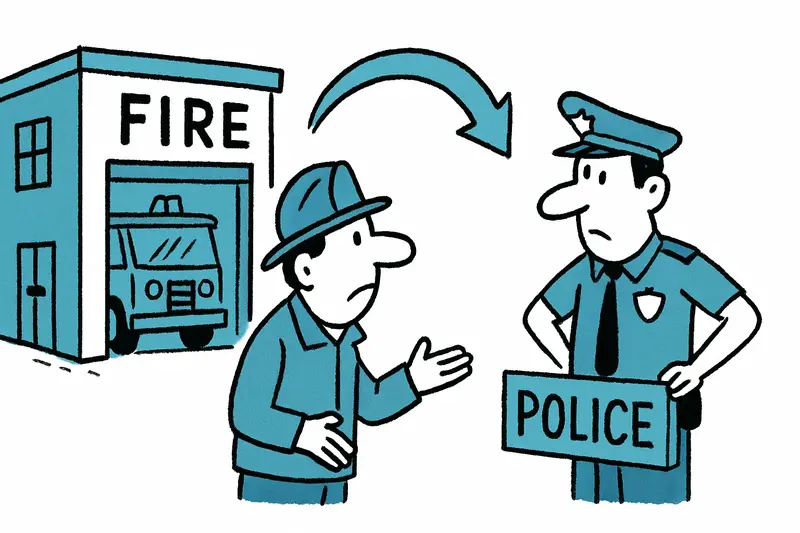
Palma's city council wants to convert the old fire station in Son Castelló into a local police precinct for around one million euros. About 200 officers are to move in. The idea makes sense, but crucial questions remain unanswered.
From Fire Station to Police Precinct: A Step — But Which One?
Palma plans conversion in Son Castelló: figures, ambitions and open questions
Palma's city council wants to transform the old fire station in the Son Castelló industrial area into a new precinct for the local police. Around one million euros are earmarked for this, and the work should take about six months. If everything goes according to plan, about 200 officers, including special units, will later move into the building — the aim: to relieve the headquarters in Sant Ferran and increase the police presence in the business park.
Key question: Is a new location alone enough to improve security and working conditions? Anyone who grows up or works in the area knows: more concrete and offices do not automatically equal better policing.
The sober calculation is simple: more personnel near large warehouses, logistics centers and workshops means shorter travel times, faster responses to incidents and a visible presence. In Son Castelló, where forklifts hum in the morning, reversing beepers from lorries pierce the silence and security guards stand by sliding gates, that can be reassuring — especially for companies and employees who have often grappled with vandalism or theft at night, as shown in Brave Police Trainee Stops Fleeing Driver — Neighbors Lend a Hand.
But the situation has several shades. Viewed critically, public discussion lacks details on the long-term strategy. How will the 200 officers be distributed: how many are intended for patrol duty, how many for administration, how many for specialist tasks? Are there clear deployment plans that take weekend and night shifts into account? What investments are needed in addition to the pure building renovation — for example parking for service vehicles, secure storage for bicycles or equipment for video analysis?
The costs of around one million euros sound moderate at first glance. What does not make headlines, however, is whether separate budget items exist for IT, locker rooms, armories, interview rooms or accessibility. Are the ongoing operating costs of the new station (heating, cleaning, maintenance) taken into account in the municipal budget, or will they later appear as “surprising” additional expenses?
What is often missing from the public debate is the perspective of the people who are in Son Castelló every day. A seamstress who works late in a small company is not interested in administrative boundaries — she wants the routes to the police to be short, reports to be taken seriously and checks not only to happen during daylight, a point reflected in After Arrest in s'Arenal: Police Are Not Enough — Social Solutions Needed. A lorry driver doing rounds across the island would like secure parking in the evening, and disputes over policing and traffic directions have shown practical consequences for drivers, as detailed in Who pays when the police direct drivers into a residents-only zone? A Mallorca farce with consequences. More officers only help if their work is visibly tailored to the needs on site.
An everyday scene: It is Thursday morning, a light breeze from the sea, the sun peeks through industrial halls. In front of the gates a group of employees gather for coffee and chat about shifts. A patrol car drives by and stops briefly. The eyes of those present follow the vehicle. The presence has a calming effect — but in the afternoon, at shift changes and when the business park grows quieter, many places become vulnerable. It is precisely there that it will be decided whether the new precinct is more than a symbol.
Concrete approaches so the investment does not remain mere building fabric:
1. Transparent deployment planning: The town hall should make public how personnel and functions will be distributed. Numbers alone are not enough; a simple weekly schedule with visible times for patrols, night checks and preventive visits to businesses builds trust.
2. Involvement of businesses: A local security round with company representatives, residents and police can prioritize problems — for example targeted checks during peak theft times or coordinated lighting measures along access routes.
3. Think infrastructure: Sufficient parking for service vehicles, secure bicycle racks, charging points for electric vehicles and a digital space for reports and tips would increase effectiveness.
4. Evaluation and reporting obligation: After twelve months a public report should be published: Have response times improved? Have there been fewer cases of burglary and vandalism? Numbers create comparability.
Anyone who looks closely at the renovation measures quickly notices: craftsmanship and technical work can be completed in six months — harder is choosing the right concepts for deployment and cooperation. This is not a criticism of the decision itself; a new precinct can be sensible. Crucial is that planning, use of funds and operation are transparent and adapted to everyday reality.
Conclusion: Repurposing the old fire station in Son Castelló is not a bad idea. It can strengthen police presence there and relieve Sant Ferran. But for the measure to become an effective improvement in safety, more is needed than walls and offices: disclosure of personnel plans, involvement of those who work in the business park daily, and clear success criteria. Then the result will not only be a spruced-up building but a tangible benefit for the people on the island.
Frequently asked questions
What kind of weather can you expect in Mallorca in late June?
Is late June a good time to swim in the sea in Mallorca?
What should I pack for Mallorca in late June?
Is late June a good time to visit Mallorca if you want beach weather but fewer crowds?
What is Alcúdia like in June for a holiday?
Is Cala Pi a good place to visit in late June?
How hot does Mallorca usually feel in June?
What is the best time of day for sightseeing in Mallorca in late June?
Similar News

Adrien Brody strolls through Mercat de l'Olivar – celebrity visit leading to Sa Pobla
Actor Adrien Brody was casually spotted at the Mercat de l’Olivar: tapas, fish stalls and later a stop in Sa Pobla spark...
Who can pick up whom? The complicated life of Mallorca's taxis
Three years after the inter-municipal service, empty runs are rarer — but there is a lack of equal treatment, transparen...

When the Tap Only Runs Sometimes: Why Municipalities in the Balearic Islands Are Now Rationing Water
Deià, Valldemossa, Esporles, Sóller and several places on Menorca are scaling back water supply. Who is responsible, why...
Battle for the Ramp: Why Cala Gamba Needs More Than Enforcement
The Guardia Civil intervened in Cala Gamba — residents breathed a sigh of relief, but unease remains. Key question: Are ...

He dances at the Duty-Free: How an airport employee brings a smile to Palma
A Duty-Free employee at Palma Airport created a viral TikTok with dancing breaks. Why the scene is more than just an int...
More to explore
Discover more interesting content

Boat Tour with BBQ along Es Trenc Beach

Private transfer from Mallorca Airport (PMI) to Pollensa
