
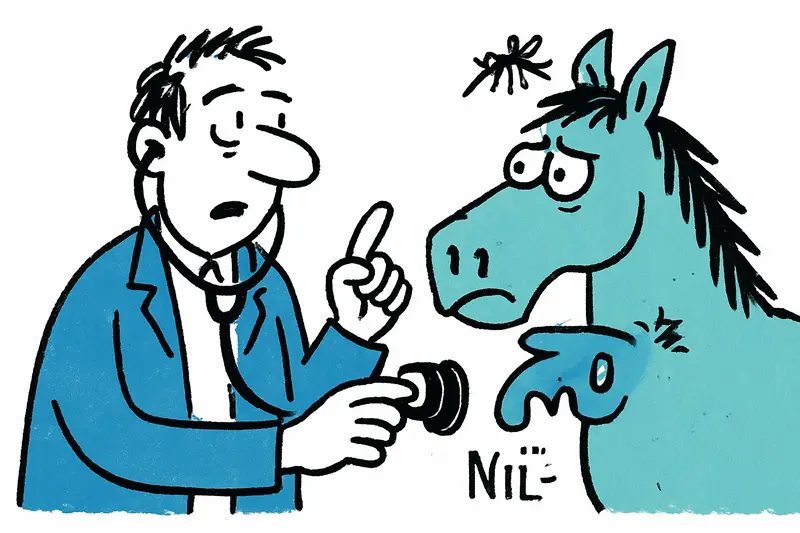
First West Nile Case in the Balearic Islands: What the Horse Discovery on Menorca Means
A horse on Menorca tested positive for West Nile virus. No reason to panic, but a wake-up call for stable owners, authorities and visitors — time for clearer measures.
First West Nile case in the Balearic Islands: what residents and visitors should know now
The news arrived yesterday morning: Primer caso de fiebre del Nilo Occidental en las Baleares: un caballo en Menorca confirmado. For many this sounds surprising. For others, who stand in the evening at the port of Mahón and hear the buzzing of mosquitoes among the orange trees, it is more like: "That would not have surprised me."
Briefly explained: the West Nile virus (see the WHO fact sheet on West Nile virus) normally circulates between birds and mosquitoes, especially of the Culex genus. Horses and humans are so-called "dead-end hosts" — they can become ill after a bite, but they do not play a role in the reproductive cycle of the pathogen. In animals symptoms can occasionally include fever, unsteady coordination or weakness; in humans most infections are mild or even unnoticed. More severe neurological courses are rare, but can be serious particularly for older or chronically ill people.
The central question: are we prepared?
The region has a surveillance program that monitors birds, mosquitoes and horses. That a case has now occurred on Menorca proves: the system works to a certain extent — it detects early signals. But the finding raises important questions. How good is communication with island residents? Are riding stables and small veterinarians sufficiently informed and supported? And is enough attention being paid to Culex mosquitoes that breed in the gutters behind fincas or in saucers under flowerpots?
So far measures appear partly reactive. A horse shows symptoms, the vet takes samples, the laboratory confirms. Fine — but is that enough to further reduce the risk for humans and animals? This brings us back to prevention: vaccines for horses exist (see AAEP guidance on West Nile vaccination for horses). So why not offer a targeted vaccination campaign for particularly vulnerable stables on the islands, combined with information packages for owners?
What is often missing in the public debate
First: the role of small water collections. On Menorca and the other islands it is not the large freshwater lakes that cause problems, but the many tiny breeding sites — roof gutters, garden saucers, clogged drainage pipes. Local political budgets often do not focus on such details, despite recent regional measures on avian influenza (Las Baleares endurecen las normas contra la gripe aviar – Alimentación solo en zonas seguras). Second: seasonality. Warm, windless evenings — like the ones we are currently experiencing — lead to higher mosquito activity. Last night at the market in Mahón it smelled of oranges, and the buzzing was noticeably louder. Such observations should be included in local risk assessments.
Third: the flow of information to tourists. Menorca receives guests from many countries. Information leaflets at ferry ports, brief notices in holiday apartments and at riding stables would help spread simple protective measures. No alarmism, but clear instructions to act.
Concrete steps — short and pragmatic
For authorities: targeted mosquito control around stables and settlements, more traps and monitoring for Culex species, coordinated information campaigns at ports and airports. A list of priority stables and riding facilities should be created.
For horse owners: vaccination advice with the veterinarian. Regular checks for water accumulations on the farm. Keep stables closed at night where possible and install mosquito protection at the boxes.
For residents and guests: use mosquito repellent in the evenings and early mornings, wear long, light-colored clothing, remove standing water — the usual measures that are often neglected in island practice (see CDC guidance on preventing West Nile virus). If you have fever, severe headaches or neurological symptoms, seek medical help immediately.
Opportunity: strengthen the early warning system
The case is unpleasant, but also an opportunity: the current surveillance system has sounded an alarm. Now it is about closing the gap from detection to prevention. Small investments in local education, targeted vaccination offers for horses and increased mosquito monitoring could significantly reduce the risk — without frightening the island.
Much can be achieved within the local community. Riders, veterinarians, port workers and neighbors know their neighborhoods. If authorities use this knowledge and promote simple, practical measures, Menorca can remain a pleasant place to live — even on mild summer evenings when Mahón smells of oranges and the mosquitoes begin to buzz again.
Conclusion: no panic, but a wake-up call. The first confirmed case in the Balearic Islands shows that we must remain alert. Anyone who keeps a horse, sits at the harbor in the evening or cares for guests should not look away now. The right mix of surveillance, prevention and communication prevents a single case from becoming something more.
Frequently asked questions
What is West Nile virus and how does it spread in Mallorca?
Should people in Mallorca be worried about West Nile virus after the Menorca case?
What are the symptoms of West Nile virus in humans and horses?
How can I protect myself from mosquitoes in Mallorca at night?
What should horse owners in Mallorca do about West Nile virus?
Where do mosquitoes breed in Mallorca gardens and properties?
Why are warm, still evenings in Mallorca a bigger mosquito risk?
What kind of information should tourists in Mallorca look out for about West Nile virus?
Similar News
Released with Conditions: The Plus Ultra Suspicion and a Mallorcan Finca as Residence
A Dutch entrepreneur, sought in connection with the Plus Ultra case, was extradited to Spain after his arrest in Germany...

Haute Nuit in Puerto Portals: Fashion, Art and Indulgence by the Water
On October 2 the Lobster Club in Puerto Portals will be transformed into a stage for curated fashion, art and culinary e...
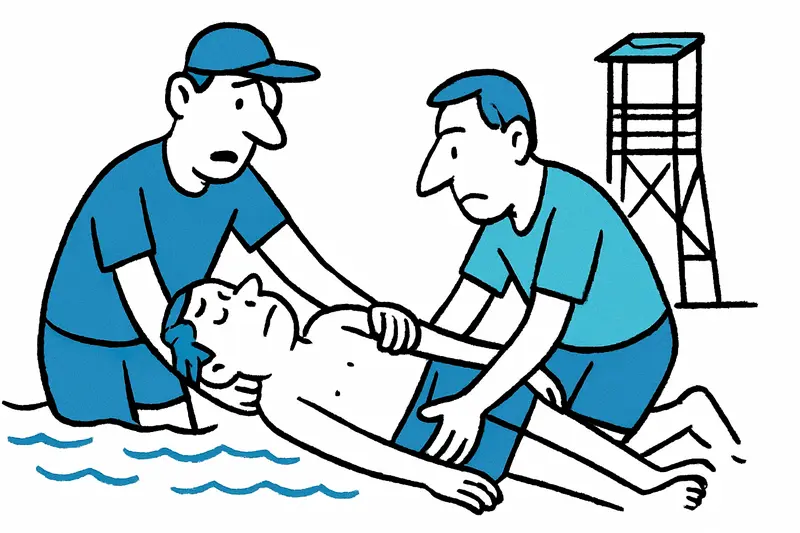
Magaluf: Watchtower Alarm – Lifeguards Pull Unconscious Beachgoer from the Water
After a drama in the late afternoon, two lifeguards at Magaluf beach rescued an unconscious 44-year-old man. He was stab...

Turquoise in the City: How dangerous is the color play of the Sa Riera?
The Sa Riera in Palma suddenly turned turquoise — a pretty motif, but behind the effect lies a discharge of saline waste...

Jeckliner at Sunnesching: Cologne spirit sets sail from Palma
In September 2027 the Mein Schiff 2 briefly becomes a floating carnival stage: four days with Cologne bands, comedy and ...
More to explore
Discover more interesting content

Can Cap de Bou

Townhouse Lleo 72
