
Flu Season in Mallorca: What the Vaccine Can—and Cannot—Do
As the days grow shorter and more people gather indoors, the risk of catching influenza rises. The seasonal vaccine is available free of charge in Mallorca. Find out who benefits most and how to book an appointment.
Flu Season in Mallorca: A Small Jab for Meaningful Protection
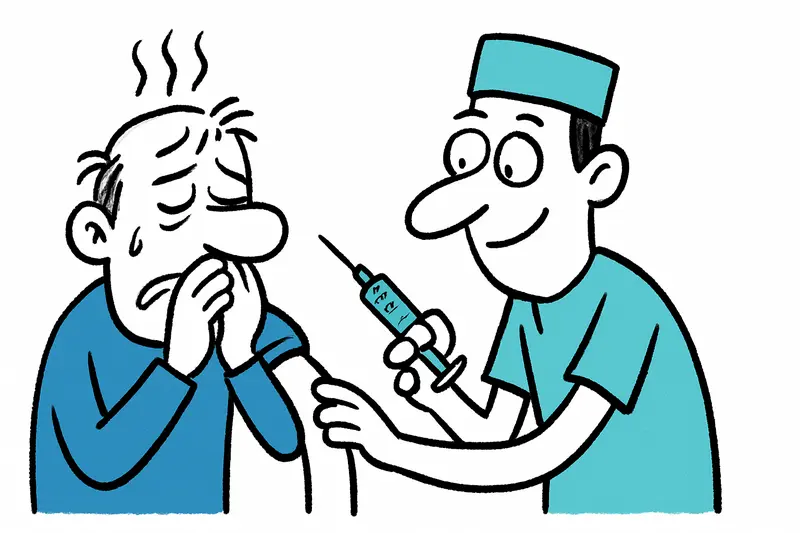
Winter in Mallorca rarely means a long stretch of freezing days. Still, the scene is familiar: someone is coughing on a bus in Palma, people wearing scarves are sitting in the health centre’s waiting area, and the café windows stay shut because the wind is sweeping across the Plaça. In months like these, respiratory viruses have an easier time spreading. The seasonal flu vaccine has been available in the Balearic Islands since 19 October and, according to the information available, is free of charge. It is no guarantee that you will not get sick. But it can help lower the risk of influenza and, above all, of a severe illness.
Influenza Is Not Just a Bad Cold
The flu is caused by influenza viruses. It affects the respiratory system and can come on suddenly: fever, pronounced fatigue, headaches, muscle and joint aches, and coughing are typical symptoms. A cold often develops more gradually and is usually milder. In everyday conversation, the two are often lumped together—but the distinction matters medically, especially if someone has an underlying condition or their symptoms worsen quickly.
Influenza viruses of types A and B are mainly responsible for seasonal outbreaks. Type A changes relatively rapidly and can also infect animals; type B circulates predominantly among humans. These changes are one reason why the composition of the flu vaccine is regularly updated. The vaccine does not work immediately and does not offer 100% protection. However, even people who catch the flu after vaccination may be better protected against severe illness. The level of protection in any individual case depends, among other things, on age and health.
Why Is the Flu More Common in Winter?
Cold weather alone is not the cause. Influenza viruses are transmitted mainly through the air when infected people cough, sneeze, or speak. During the colder months, people spend more time indoors, sit closer together, and ventilate less often. That applies here, too: a crowded bus on the Avinguda or a cramped waiting area does not automatically become a place of infection, but close contact and poor ventilation make transmission easier.
Dry air can also play a role: it can irritate the mucous membranes and create conditions that favour some respiratory viruses. Surfaces can also become contaminated, but in everyday life, airborne transmission is particularly relevant. There is no single winter factor that explains the flu wave each year. What matters is the combination of the virus, people’s contact patterns, and individual susceptibility.
Who Should Take Extra Care?
Vaccination is particularly recommended for people aged 60 and over, pregnant women, people with certain chronic conditions, and workers in healthcare and care services. The flu can be especially serious for these groups, and vaccination is a practical way to reduce the risk. If you are unsure whether vaccination is right for you, speak with your family doctor or the health centre responsible for your area.
In the Balearic Islands, the vaccine is offered at health centres in the public IB-Salut system. You can book an appointment online through Espai Salut, by calling 971 220 000, or in person at your local Centro de Salud. Appointments can be booked by phone from Monday to Saturday, 7 a.m. to 9 p.m., and on Sundays and public holidays from 8 a.m. to 9 p.m. According to information about the current campaign, the vaccine is free of charge. Before your appointment, it is worth checking the health service’s latest guidance—especially if you have questions about receiving other vaccines at the same time or about your medical history.
What Else Can Help in Everyday Life?
A few simple habits cannot replace vaccination, but they can help reduce the risk of infection: air rooms briefly and regularly, wash your hands, and, if you are sick, keep your distance from people who are particularly vulnerable whenever possible. If you have a fever, do not feel obliged to travel across town or sit in a crowded waiting room. Severe symptoms or shortness of breath call for medical advice.
In Mallorca, winter is often marked more by damp winds than by the calendar. Vaccination will not make December worry-free, but it is an accessible form of protection that is easy to arrange. An appointment at a health centre is not a major undertaking. Yet for older relatives, people with underlying conditions, and the teams who care for them, it can make a noticeable difference.
Frequently asked questions
When does flu season usually affect Mallorca?
Does the flu vaccine stop you catching influenza in Mallorca?
Who is recommended to get a flu vaccine in Mallorca?
Where can I get a flu vaccine in Mallorca?
Is the flu vaccine free in Mallorca?
How can I lower my risk of catching flu in Mallorca?
How can I tell flu from a cold in Mallorca?
When should I seek medical advice for flu symptoms in Mallorca?
Similar News

Finding Dog Waste Through DNA? Costitx Raises a Bigger Question
When municipalities want to identify dog waste genetically, it sounds like rigorous enforcement. But before the samples ...

A Clear Morning Makes Mallorca Visible from Barcelona
On November 24, Mallorca’s Tramuntana mountains appeared on the horizon from Barcelona in the first light of day. This r...
Illnesses on Condor Flights: What Cannot Be Concluded from a Suspected Cause
Following an illness on Condor flights from the Caribbean, norovirus has been mentioned as a possible cause. But a suspi...
Vallgornera: Natural Heritage Beneath an Abandoned Hotel Site
Near Llucmajor, the weathered remains of a hotel stand above a fragile cave system. The real question is not how to turn...
Na Burguesa: Rubbish at the Viewpoint Raises Questions About Upkeep
Rubbish is piling up by the car park and on the embankment at the Na Burguesa viewpoint above Palma. The condition affec...
More to explore
Discover more interesting content

Can Cap de Bou

Townhouse Lleo 72
