
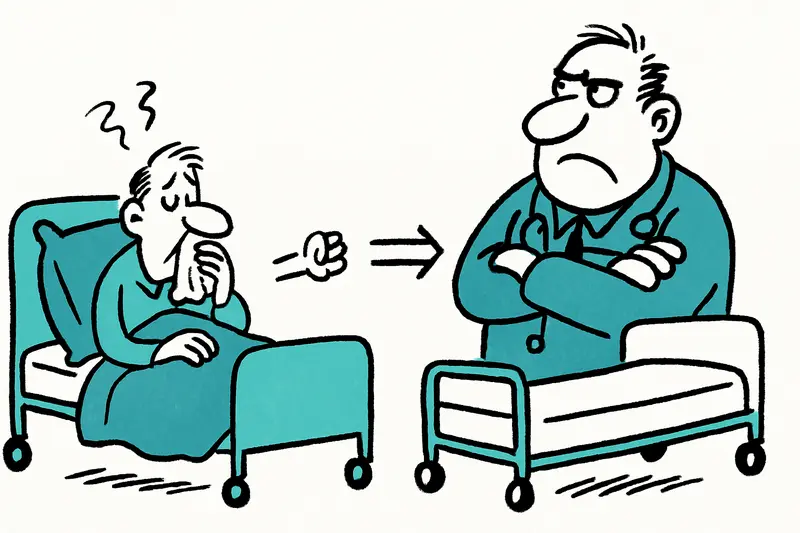
Flu wave in Mallorca: Are additional beds enough — or is system resilience lacking?
Flu wave in Mallorca: Are additional beds enough — or is system resilience lacking?
Incidence is rising and hospitals are activating beds. A reality check: why bed numbers alone say little, which data are missing and how Mallorca can be practically better prepared.
Flu wave in Mallorca: Are additional beds enough — or is system resilience lacking?
Key question: Are the reactivated beds and the current plan sufficient to cushion hospital peaks after the holidays?
In recent days the reported incidence on Mallorca climbed from around 75 to 89 cases per 100,000 inhabitants. The Balearic government has proactively freed up beds in several facilities: among others 15 additional places at Hospital Sant Joan de Déu in Palma, ten in Inca as well as earlier allocations at Son Llàtzer (24 additional beds) and Son Espases. Overall, the possible increase is estimated at up to 215 additional beds mobilized by IB-Salut, with further stages announced for early January. Those are the sober figures; the Balearic Islands have classified the current flu wave as an epidemic. The question is: are they enough, and above all: is the system behind them sufficient?
In short: more beds are necessary, but they are only one piece of the puzzle. A bed is nothing without staff, supplies and fast processes. On Mallorca the number of serious emergencies is also rising — strokes and cardiovascular problems are driving up the number of calls to the SAMU 061 dispatch center. Ambulance rides, admission processes and follow-up care at home are the bottlenecks, not just the number of places on the ward.
What often gets lost in the public debate: intensive care capacity, shift planning, and the availability of antiviral medications are rarely made transparent. Reliable figures on the age groups of the infected, vaccination rates in risk groups and the workload in GP practices are also missing. Without these data, counting beds remains a reassuring ritual but not a reliable measure of system resilience.
A simple everyday scene illustrates the problem: on a cold morning at Passeig Mallorca you can see a small queue in front of the pharmacy in Santa Catalina; some wear masks, others do not. In the background an ambulance hums past the Son Espases hospital; the tram rattles through the city. The people in the queue are often not emergencies but seeking advice, tests or medication — tasks that should ideally be solved on an outpatient basis if practices and pharmacies were better networked.
Critical analysis: The measures announced so far follow the classic pattern: ramp up capacity when demand rises. That is reactive rather than proactive. The announcement to make further beds available from January 7 and 12, respectively, also feels like passing the baton to the future; if the peak really comes shortly after Epiphany, there will be little time to fine-tune staff and supplies.
What is missing from the public discourse?
1. Staff protection and mobilization: How will additional beds be staffed? Are there recalls for retired nursing staff, flexible contracts, overtime arrangements or training plans for redeploying personnel?
2. Outpatient relief: GP practices, municipal health centers and pharmacies need clear triage tools and fast test/therapy supply chains so that emergency departments are not flooded with moderate cases.
3. Data transparency: Age distribution, vaccination rates in care homes, ICU occupancy and length of stay are crucial to target measures effectively.
4. Protection of vulnerable groups: In nursing homes and assisted living groups quick screening and isolation concepts must be readily available.
Concrete, feasible solutions for Mallorca
- Mobile vaccination and testing stations at markets such as Mercat de l'Olivar or in front of large supermarkets, including multilingual information (Spanish, Catalan, English, German). This is immediately implementable and reaches tourists as well as residents.
- Temporary triage tents or separate emergency entrances at major hospitals, staffed by teams of emergency physicians and experienced nurses to channel patient flows.
- Agreements with private clinics and dental practices for short-term staff takeovers as well as small financial incentives for extra weekend services.
- Expansion of telemedicine offerings: GPs could handle first contacts via video, issue prescriptions and direct patients to hospital or home visits selectively.
- Stockpiling and rapid distribution of antiviral medications and protective equipment, accompanied by clear regulations on prioritization.
- Public, daily dashboards on the occupancy of emergency departments, beds and intensive care units so municipalities and businesses can plan more independently.
Conclusion: The additional beds are a necessary signal, but not a cure-all. Those who only count beds overlook the bottleneck in personnel, logistics and outpatient care. Mallorca now needs pragmatic decongestion: visible triage on site, targeted vaccination and testing campaigns, incentives for staff and more transparency. Otherwise the feeling will remain that we are waiting for the next storm — and only then thinking about how to stack the sandbags.
The clock is ticking: regions, municipalities and hospitals still have a brief window to turn bed plans into a functioning emergency network. For the people on the island, what matters in the end is not the bed, but whether help arrives on time and reliably.
Frequently asked questions
How bad is the flu wave in Mallorca right now?
Are extra hospital beds enough to handle Mallorca’s flu surge?
When does flu season usually put the most pressure on hospitals in Mallorca?
What should I do if I get flu symptoms in Mallorca?
Where can people in Mallorca get flu tests or advice without going to hospital?
Why is Mallorca’s health system under pressure during the flu wave?
What practical flu measures could help Mallorca avoid hospital crowding?
Which places in Palma are likely to feel the flu wave most?
Similar News
Are the Balearic Islands the Southern Border of Europe? A Reality Check on Immigration
The Balearic Islands are again calling for EU aid after a sharp rise in arrivals by sea. Conflicting priorities between ...

"Expensive chaos" and many open questions: What clients can do when a lawyer suddenly stops responding
Several clients complain that a well-known German lawyer in Mallorca has been unreachable for months. Key question: What...

TV tip: 'The Last Problem' — Mallorca as the setting of a classic crime
A classic whodunit on Mallorca: A new miniseries set in spring 1959 brings storm, an isolated hotel and a dense web of s...
Nipping Sea Creatures: Why Bathers in Cala Major and Elsewhere Should Be Cautious
In Cala Major, bathers have reported being nipped by small fish. What is behind it, how can problems be avoided — and wh...
Forced eviction in Santa Catalina: When a 65-year-old slept in her car and showered on the beach — a question of responsibility
The story of Pilar López from Santa Catalina represents a problem affecting many Mallorcans: How can an island with a bo...
More to explore
Discover more interesting content

Can Cap de Bou

Townhouse Lleo 72
