
From Foreign Correspondent to Passenger Companion: A Fresh Start in Montreal with a View to Palma
From Foreign Correspondent to Passenger Companion: A Fresh Start in Montreal with a View to Palma
Back at the wheel at 75: A former German foreign correspondent describes how driving for a ride service in Montreal gave him new everyday rhythms — and why this matters for mobility on Mallorca.
From Foreign Correspondent to Passenger Companion: A Fresh Start in Montreal with a View to Palma
Why driving can be more than a job — and what Mallorca can learn from it
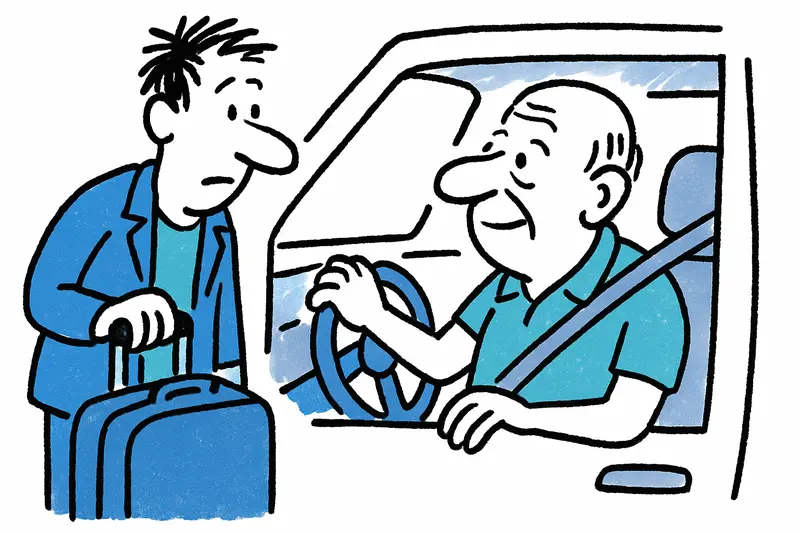
A few weeks ago, as I drove through the streets of Montreal, there was a distinct rhythm: the sound of the trams, the cry of a seagull over the Saint Lawrence at sunset, the rustle of newspapers in café windows. Behind the wheel sat not a young commuter but a man who had once worked as a foreign correspondent and at 75 made a surprising decision: to take on rides again, this time with an app-based ride service.
The reason was neither greed nor pure thirst for adventure. It was about distraction, about structure on days that otherwise become long and restless while waiting for an important medical procedure. At home we know this waiting: the phone that rings twice a day, glances out the window, the weather that changes every mood. For him, driving became the antidote to that restlessness. He picked people up, took them to their destinations, listened to short life stories and in return gained new everyday sounds.
One of the first rides: a young couple in the city centre, just arrived. The car was clean, modern; the woman immediately took a selfie. Her reaction — surprise mixed with joy that such an experienced person was driving them — showed how encounters can connect generations. The driver later said that many passengers sought small conversations: about local cafés, about the weather, about the neighbourhood. For him it was more than a side income; it was participation again.
What does this have to do with Mallorca? At first glance, little. On closer inspection, quite a bit. On our island a similar ride service has established itself in recent years and recently secured 20 pickup areas at Palma airport — a change discussed in Air Canada connects Palma nonstop with Montreal from 2026 – opportunity or short-lived experiment?. That changes routes, waiting times and expectations. Tourists, locals, commuters — everyone benefits when supply and service are right. Competition can ensure cleaner vehicles, more attentive taxi drivers and more transparent prices. Above all, it creates room for new forms of work: also for older people who want to remain active.
In the mornings I see the delivery workers on Passeig Mallorca, hear the clicking of bicycle inner tubes on the harbour promenade and meet retirees who mix powders and read the newspaper. On the island we could more often consider how to enable dignified, flexible employment for older people: clear rules, short shifts, medical support and training in using digital platforms. That would be a win-win: people remain engaged, mobility improves, and the city gains life.
The man in Montreal keeps stressing one thing: rides mean encounters — sometimes only three sentences, sometimes a smile that saves the day. These small moments are what make neighbourhoods feel familiar. In Mallorca this very principle can help calm tourist frenzy and at the same time offer new opportunities to locals.
A concrete proposal: municipalities could launch pilot projects that make it easier for experienced people to join ride services, accompanied by health checks and short trainings. Operators and local authorities could develop common standards: rest periods, insurance matters, and points of contact for problems. No magic, but targeted support that strengthens people like our driver — without pushing them into risky work.
In the end the lesson is simple and beautiful: work is not only income. Work can mean becoming part of the daily soundscape of a city again, having conversations and leaving the house in the morning with a purpose. Whether Montreal or Palma — the joy of small encounters knows no borders, and the two cities are now linked by services noted in Direct from Montreal: Air Canada connects Palma four times a week. And that is a message we could use on the island.
Frequently asked questions
What is the weather usually like in Mallorca in winter, and why does it matter for daily routines?
Can you swim in Mallorca outside the main summer season?
Is Mallorca a good place for older people who want flexible work?
What should I pack for a trip to Mallorca if I am visiting in a shoulder season?
How busy is Palma airport for taxis and ride services?
Why does competition between taxis and ride services matter in Mallorca?
What kind of support would help older people work in Mallorca safely?
What do small conversations with taxi drivers or ride-share drivers add to life in Palma?
Similar News
Magaluf: Watchtower Alarm – Lifeguards Pull Unconscious Beachgoer from the Water
After a drama in the late afternoon, two lifeguards at Magaluf beach rescued an unconscious 44-year-old man. He was stab...

Turquoise in the City: How dangerous is the color play of the Sa Riera?
The Sa Riera in Palma suddenly turned turquoise — a pretty motif, but behind the effect lies a discharge of saline waste...

Jeckliner at Sunnesching: Cologne spirit sets sail from Palma
In September 2027 the Mein Schiff 2 briefly becomes a floating carnival stage: four days with Cologne bands, comedy and ...
Finally Home: Mike and Leyla Heiter Buy Villa with Sea View in Mallorca
The reality TV couple Mike and Leyla Heiter have bought a house in Mallorca with a roof terrace and sea view. An Instagr...

Arrest after series in Palma: Who protects apartments from repeat offenders?
The National Police arrested a man in Palma who investigators say may have broken into several apartments. In one incide...
More to explore
Discover more interesting content

Can Cap de Bou

Townhouse Lleo 72
