
Gas Explosion in Es Migjorn Gran: A Night That Leaves Questions Unanswered
Gas Explosion in Es Migjorn Gran: A Night That Leaves Questions Unanswered
A nighttime gas explosion in Es Migjorn Gran tore open a house. A 70-year-old woman is critically injured in intensive care. What do we know — and what is missing from the debate?
Gas Explosion in Es Migjorn Gran: A Night That Leaves Questions Unanswered
Retiree seriously injured, neighbors evacuated – how safe are our homes really?
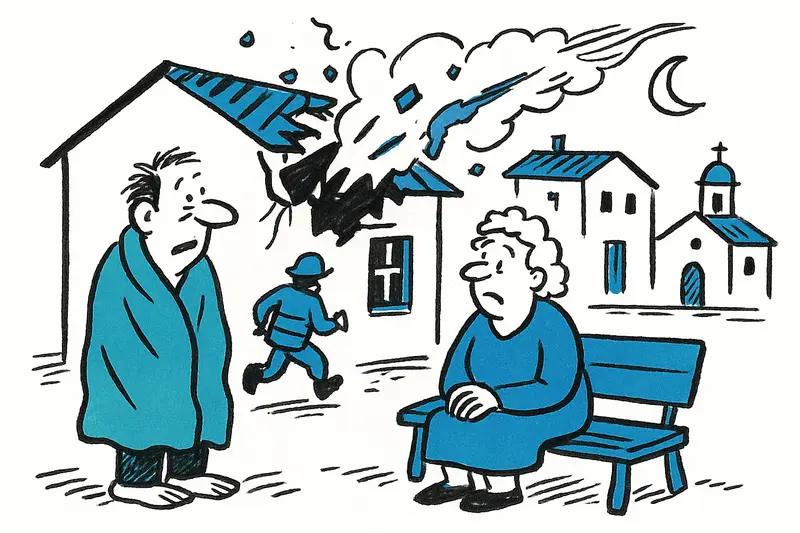
In the early hours, around 0:30 a.m., a quiet village on Menorca turned into an emergency scene: an explosion tore off the roof of a residential building, a resident was seriously injured and taken to hospital. Emergency services – the Guardia Civil, several ambulances and two firefighting units from Ciutadella – responded. According to initial reports, the 70-year-old suffered severe burns and is being treated in the intensive care unit. Eleven residents were temporarily brought to safety.
The visible traces of the disaster are stark: much of the roof is destroyed, debris lies in the street, and the windows of neighboring houses are shattered. Those walking across the village square early in the morning heard sirens and saw people wrapped in blankets, some still barefoot, trembling as they waited for information. The weather was clear, the smell of smoke mixed with the cold air – a place that usually sees Sunday strollers and morning shoppers looking for fresh bread looked like an emergency scene.
Main question: How could this gas leak have occurred, and what safety gaps does our system allow that particularly endanger older people? This question is now central — not only for investigators, but also for homeowners, utility companies and the municipality.
Critical analysis: Investigations are ongoing, but three problem areas are already emerging. First: technical defects in domestic gas supply. Second: inadequate precautions for especially vulnerable individuals – many elderly residents live alone and have little access to regular inspections. Third: communication and prevention in small communities. Alarm plans often exist only on paper, and not every neighborhood has a contact list for seniors.
Public discourse and media coverage have so far focused on the dramatic images and the injured – understandable, but too narrow, as seen after Fire in hotel at Playa de Palmanova: Evacuation, no injuries — and unanswered questions. What is hardly debated is the question of responsibility and prevention. Who checks whether gas installations are properly maintained? Are consumer protection measures and inspections by certified installers sufficient? Resources such as the Gas Safe Register: gas safety advice provide practical guidance on checks and certified installers.
A commonplace scene from Menorca: In Es Migjorn Gran people know each other. The morning after the explosion you meet older neighbors on the steps in front of the small church; they speak quietly about the woman from the affected house and about the fear that now hangs over the neighborhood. A bakery across the way served tea to the evacuees, young people kept blankets ready. Such self-help is typical — but it does not replace structural safeguards, and small incidents like Nighttime Escape on the Camí dels Reis: An Accident, Many Questions underline how quickly coordination is needed.
What is currently missing from the public debate are concrete figures and clear responsibilities. Statements like "cause unclear" are correct, but they do not replace transparent information about inspection intervals for gas lines, an overview of which houses are contractually connected to gas suppliers, and information on whether there was a registered risk household. The public has a right to understandable, concrete information without technical jargon.
Concrete solutions that could be implemented locally: First, a subsidized replacement program for old pipes and connections, financed by municipal grants and regional funds. Second, mandatory visual and functional checks for rental properties and for households where elderly people living alone are registered. Third, free gas detectors for at-risk persons and information campaigns at village meetings and in pharmacies. Fourth, faster reporting chains between suppliers, the municipality and emergency services so that evacuations can be carried out quickly and orderly in an emergency.
In the long term, a mix of technology, law and neighborhood organization is needed: modern leak detectors, mandatory inspections at set intervals and local "buddy systems" that visit older neighbors briefly and regularly. On an island like Menorca, where distances and shortages of specialists matter, pragmatic rules are more important than additional bureaucracy: simple checklists for landlords, mobile inspection teams and a municipal register of risk households could prevent much suffering.
The role of the emergency services deserves recognition. Firefighters and medical personnel reacted quickly that night and prevented worse. Nevertheless, it shows that prevention is cheaper and more humane than pure reaction. The costs for preventive measures are likely to be significantly lower than the aftermath costs of severe explosions — financially and humanly.
Pointed conclusion: It is not enough after an explosion to ask who pressed the button. It is more useful to ask why our system allows leaks to occur and how we can better protect the most vulnerable. The images from Es Migjorn Gran are a wake-up call: we must act now — practical, local and without delay.
Frequently asked questions
How safe are gas installations in Mallorca homes?
What should you do if you smell gas in a Mallorca house?
Are older people in Mallorca more at risk in a gas leak?
When is the best time to check gas heating before winter in Mallorca?
What kind of gas safety checks do Mallorca landlords need to arrange?
What happened in Es Migjorn Gran after the gas explosion?
How are residents usually evacuated after an emergency in a Mallorca village?
Can you get a gas detector for a home in Mallorca?
Similar News
More water than last year: Mallorca's reservoirs breathe easier
September rain refilled the Tramuntana's reserves: overall fill around 35 percent, Cúber at 40.42 percent, Gorg Blau at ...
Three Luxury Hotels in Banyalbufar: Lots of Money, Many Questions
A Danish investor plans three exclusive accommodations in Banyalbufar — including the historic Son Valentí. The announce...
2.1 tonnes of cocaine on sailing yacht off Spain's coast – a reality check for the coastguard
A 14-metre yacht was seized with 2.1 tonnes of cocaine. Who monitors the ports, how does the international hunt succeed ...

Heat Bonus in Mallorca: 100 Euros Extra for Outdoor Staff at MarSenses
MarSenses pays employees who worked outdoors in August an extra €100 as recognition. Lighter uniforms, reduced hours for...
Renovating in Mallorca: What You Really Can Do Without Neighbour Consent
Many think they can do whatever they want in their apartment. That's partly true — but only as long as structural elemen...
More to explore
Discover more interesting content

Can Cap de Bou

Townhouse Lleo 72
