
Arrest in Santa Ponça: German suspected of operating a darknet platform
Arrest in Santa Ponça: German suspected of operating a darknet platform
Spanish investigators arrested a German in Santa Ponça who is suspected of running a German-language darknet platform. Background, open questions and what Mallorca now needs to protect.
Arrest in Santa Ponça: German suspected of operating a darknet platform
A coup between palm trees and promenade — and the questions that remain
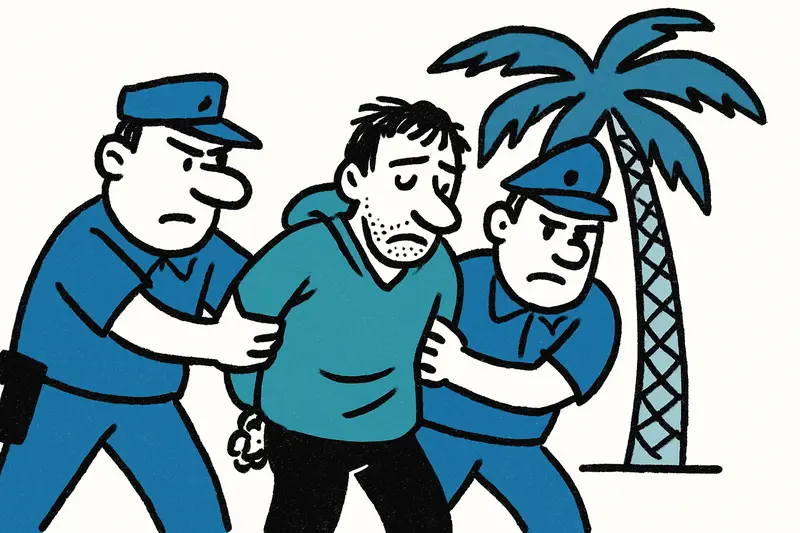
Late in the afternoon in front of the cafés of Santa Ponça, tourists with ice cream, delivery drivers and a few emergency vehicles could be seen; the sirens had long since faded, but the incident remains palpable. The National Police and German investigators arrested a man there who is accused of operating a German-language marketplace in the darknet. According to available information, the suspect is suspected of running a site through which drugs, forged IDs, stolen bank data and digital attack tools were allegedly offered. He is in pretrial detention; legal proceedings will determine the possibility of his extradition to Germany.
Key question: How vulnerable is Mallorca to transnational cybercrime — and what must island residents, tourists and authorities do differently to prevent such networks from gaining a foothold?
In short, some hard facts are clear: The investigations began following a mutual legal assistance request from Germany in early 2023; searches were carried out on the island where computers, storage devices and numerous papers were seized, as detailed in New Raid in Mallorca: More Arrests — But Are the Roots of the Problem Untouched? The platform was allegedly only accessible via the TOR anonymization network, payments were made mainly in cryptocurrencies, and the operators are said to have acted as trustees before taking commissions. Parallel searches were conducted in Germany and further suspects were arrested, as reported in Major raid in Palma and Son Banya: How extensive is the network behind the 17 arrests? The portal's server was shut down and confiscated; visitors are apparently being redirected to an information page from the investigative authorities.
Critical analysis: On paper this looks like well-functioning international cooperation. In reality, structural problems remain visible. TOR and similar services make identifying those responsible technically difficult. Cryptocurrencies complicate the tracing of money flows, especially when layering services or privacy coins are involved. And: the more actors are spread across national borders, the more complicated investigations and extradition processes become. This is clearly shown here: investigative loops took years, and the alleged operator apparently moved his residence on Mallorca several times to avoid detection.
What is often missing from the public debate: concrete hints for those who could be affected in everyday life, as discussed in Three arrests in Mallorca: What lies behind the alleged international bank fraud. Tourist landlords, small shops, car rentals or bars rarely receive information on how to recognize or report suspicious activities. The question of how private Bitcoin or crypto wallets should be managed securely is hardly present among the general public. And there is little talk about the role hosting providers and payment service providers play in third countries — there are often gaps there that criminals exploit.
A typical everyday scene on Mallorca makes this tangible: A retiree sits on the Paseo Marítimo, listening to the sound of boat engines and voices in different languages, and next to him someone scrolls anonymously in a chat — such digital spaces are invisible but real. When criminal marketplaces operate behind this seeming triviality, the island becomes a retreat without most people noticing.
Concrete solutions: First, local authorities need better-equipped cyber-forensics teams in the Balearics that can quickly access and analyze seized devices. Second, training for local police, hospitality businesses and landlords is important: simple checklists for suspicious rental inquiries, unusual parcel deliveries or repeated visitors with changing identities can help. Third, information campaigns at airports and ports should explain how victims of data theft can proceed and where reports are useful (e.g., to the Policía Nacional or by notifying German authorities). Fourth, investigators need better access to crypto-analysis tools and closer coordination with international financial supervisors so transactions can be traced more quickly.
Technically it is clear: simply shutting things down is not a permanent solution. Operators relocate, platforms reappear. Therefore, in addition to law enforcement, authorities should work preventively: education, securing sensitive infrastructure and strengthening a culture of reporting. Legal frameworks at EU level regarding retention obligations, reporting times and liability issues for hosting providers would also ease investigations.
What remains to be observed now: the legal steps toward extradition and the examination of the seized documents. For residents and holidaymakers this means: stay vigilant, avoid unclear offers and inform the police if you suspect something. For the island community, this arrest should be an incentive to take digital risks more seriously than before.
Conclusion: The arrest in Santa Ponça is a success of cross-border cooperation but not a reason for complacency. The perpetrators' methods — anonymization on the net, crypto payments, changing locations — are known and adaptable. Mallorca can and must become technically fitter, close information gaps and involve the population more strongly so the island no longer serves as a safe haven for such structures.
Frequently asked questions
What happened in Santa Ponça in connection with the darknet case?
How can darknet crime affect Mallorca residents and visitors?
Why are darknet investigations so difficult for police in Mallorca?
What should Mallorca landlords and small businesses watch out for?
What happens after a darknet suspect is arrested in Mallorca?
Can tourists in Mallorca be affected by darknet-linked identity theft?
How do German and Spanish authorities work together in Mallorca cybercrime cases?
What should you do if you suspect a cybercrime link in Mallorca?
Similar News

Nine-year-old rescued after cliff fall at Cala Murada — How safe are Mallorca's coastal paths?
A boy fell roughly five meters down the rocks near Cala Murada. The dusk rescue was elaborate; a helper also had to be r...
How safe are tourists in the luxury marinas? After arrests: a reality check
The Guardia Civil arrested two men in Calvià who are suspected of stealing luxury watches in Port d'Andratx and Puerto P...
Palma Chases Wealthy US Tourists — The Key Question: Who Should the City Actually Serve?
The city is investing more than €200,000 to attract high-paying visitors in several US cities. A good idea — but what is...

Enough swimming: Why Port de Pollenca is louder than the sea
More than 200 people formed a human chain in Port de Pollenca — not only as a protest but as a wake-up call. Guiding que...
Mysterious disappearance in Alcúdia: Where is 24-year-old Lisa B.?
Since August 3 there has been no trace of 24-year-old German Lisa B. The family has traveled to Mallorca and urgently re...
More to explore
Discover more interesting content

Boat Tour with BBQ along Es Trenc Beach

Private transfer from Mallorca Airport (PMI) to Pollensa
