
Heatstroke in the Torrent de Pareis: When Will Heat Protection Become Mandatory?
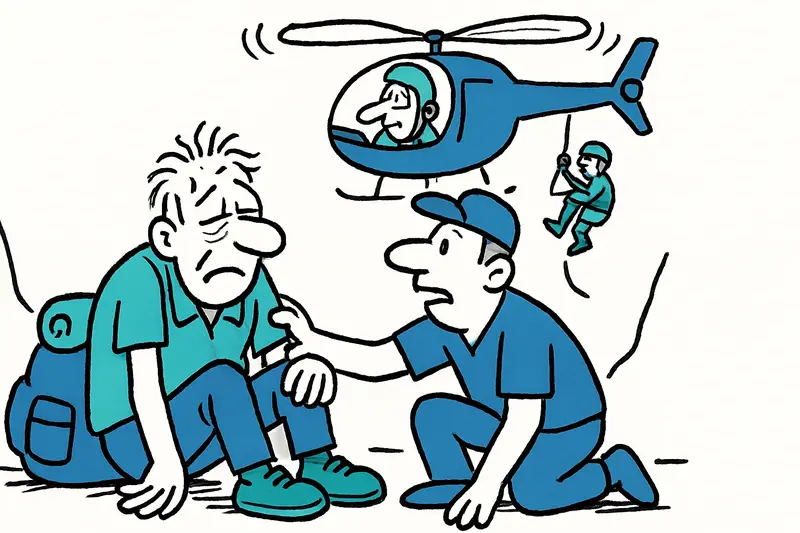
A 70-year-old German was rescued yesterday by helicopter from the narrow canyon of the Torrent de Pareis. The incident raises questions: Are warnings and guides enough to protect hikers in the midsummer heat?
Rescue in the narrow canyon – a symptom, not an exception
Yesterday around 1:40 p.m. the emergency radio network in Sa Calobra sprang into action: a 70-year-old German hiker had suddenly become disoriented and developed a high fever – classic signs of heatstroke (heatstroke symptoms and treatment at Mayo Clinic). Around 2:20 p.m. a helicopter landed, mountain rescuers carefully extracted the man from the steep scree and flew him, together with a companion, to a hospital in Palma, as reported by Heatstroke in the Torrent de Pareis: Rescue Raises Questions About the Safety of Hiking Groups.
The key question: Are popular trails made heatproof?
The canyon is beautiful but rugged; shade here is as rare as a cool breeze in high summer. The dramatic rescue raises a simple but bitter question: Are mere notices like "bring enough water" and advice to start early enough when day-trippers rush into such gorges on hot August days? Or do we need stricter rules and infrastructure so a helicopter operation does not become a recurring event, as discussed in Golpe de calor en el Torrent de Pareis: rescate plantea preguntas sobre la seguridad de los grupos de senderismo?
More than weather – systemic weaknesses
The situation is not only explainable by meteorology. Three aspects stand out that are often overlooked in public debate:
1. The age structure of visitors: Many tours are booked by seniors who may appear physically fit but can have serious pre-existing conditions. In the heat their reserves drop quickly.
2. Expectations versus reality: Social media pictures promise cool gorges – the bitter truth is sun-heated limestone walls and direct sunlight on open sections. The discrepancy leads to dangerous misjudgements.
3. Organizational and language barriers: Guides, rental companies and visitors often speak different languages; health and heat warnings do not always reach people in time or clearly.
Concrete solutions instead of well-meaning appeals
The Guardia Civil immediately urged caution and intends to increase its presence, a development documented in Senderista alemán rescatado en el Torrent de Pareis tras sufrir un golpe de calor. That is important – but not enough. From a Mallorca perspective, these measures would be more effective:
Clear heat warning levels and trail management: A local traffic-light system at well-frequented starting points (green-yellow-red) could temporarily restrict tours. At red: no guided or self-guided passages.
Refreshment points and water refill stations: At the Sa Calobra entry point, drinking water stations and shade signage could be installed – simple protection, big effect.
Simple health checks and training for guides: Guides should carry standardized checklists for at-risk hikers and basic first-aid kits with cooling packs and oral rehydration solutions.
Better, multilingual information requirements: Tour operators and accommodation providers should be required to inform about heat symptoms, first-aid procedures and emergency numbers – digitally and in print, as advised on the Guardia Civil official website.
Technical improvements: Mobile signal buoys or emergency beacons in problematic gorges could drastically reduce rescue times when a leg is twisted or orientation is lost.
What we can do as visitors
A few local rules of conduct learned on hot days: start early, use sun protection, carry several liters of water per person, bring a compact first-aid kit, wear breathable clothing and a hat. And: tell the guide openly if you feel heart palpitations, headache or dizziness – do not hide symptoms out of false politeness.
A personal word from island practice
I remember an August afternoon, cicadas screaming, limestone sparkling and the sun turning our hats into steaming caps. An older man in our group suddenly staggered; an extra break, more water and the thought of the next bus ride were enough to bring him back. If that had happened in a narrow gorge, it would have been different.
The rescue yesterday was a stroke of luck: quick response, helicopter, experienced rescuers. Such operations are expensive and risky. Mallorca must ask itself whether the current mix of appeals and occasional checks is sufficient. Or whether heat management on popular trails should become mandatory – for the safety of visitors and the wellbeing of rescuers.
Conclusion: The Torrent de Pareis remains a jewel, but jewels need protection. More organization, better information and pragmatic infrastructure proposals can prevent cozy summer hikes from turning into emergencies. The Guardia Civil is increasing its presence; an even better step would be a plan to make helicopter rescues rarer.
Frequently asked questions
How hot is it to hike in Mallorca during summer?
What are the warning signs of heatstroke while hiking in Mallorca?
What should I pack for a hot hike in Mallorca?
Is it safe to hike the Torrent de Pareis in Mallorca in summer?
Why is the Torrent de Pareis so dangerous on hot days in Mallorca?
When is the best time to hike popular trails in Mallorca during summer?
What should I do if someone gets heatstroke on a hike in Mallorca?
Are there better heat warnings for hiking routes in Mallorca?
Similar News

Maribel: Five Decades of Service – Housekeeper from Peguera Celebrated with a Special Honor
Over 50 years in the hotel business: María Isabel “Maribel” Molinos was honored in Palma at the Nit del Turisme by Unive...
Orange Alert over Parts of Mallorca: Are We Prepared?
Dark clouds and an announced wet spell have triggered an Orange alert in parts of Mallorca. A reality check: what's miss...

Sundair & Co.: Sale speculation and what it could mean for Mallorca
Rumors about a possible sale of the airlines Sundair and Fly Air 41, which belong to Schauinsland-Reisen — and whether b...
Anne Wünsche in Mallorca: A job offer with a catch — who fits the role of personal assistant?
Influencer Anne Wünsche has left Berlin and is urgently looking for a full-time personal assistant in Mallorca. Why the ...

Daily from New York: Palma Between Boom and Strain
United will increase the Newark–Palma route to daily flights in 2027 using Boeing aircraft (231 seats). What does the in...
More to explore
Discover more interesting content

Can Cap de Bou

Townhouse Lleo 72
