

German Tourist Killed in Southern Spain: Questions We Must Ask Now
German Tourist Killed in Southern Spain: Questions We Must Ask Now
A 47-year-old German woman was found dead on the coast near Isla Cristina. The suspected partner has been arrested. The case raises questions about protecting travelers and preventing gender-based violence.
German Tourist Killed in Southern Spain: Questions We Must Ask Now
A case demanding answers
Late on Friday morning, a 47-year-old German tourist was found dead on the coast at Punta del Caimán, near Isla Cristina in the province of Huelva. The forensic situation points to violent influence; according to reports, the body showed multiple stab wounds. A man of about 60 years, described as her partner, is suspected and has been arrested. Investigations are ongoing.
Key question: How can the public close the gap between shocking individual cases and systematic protection for traveling people? This is not a purely theoretical question. It hits everyday life: at campsites, at parking areas on the coast, in the dawn of a provincial beach — places where travelers feel vulnerable, far from their usual networks.
Critical analysis: At first glance, the event appears to be a tragic relationship dispute with a terrible outcome. But the correct classification requires more: it is important to distinguish between an act arising from a private context and a crime that belongs to a larger societal pattern of gender-based violence. Both must be criminally investigated; both also require that authorities and the tourism sector do not stop at the facts but examine protective measures, as highlighted by similar incidents such as Unsolved discovery off Cala d’Or: The brutal death of a young German tourist in 1988.
What is missing in the public discourse? Three things stand out. First: concrete figures and patterns of violence at tourist locations — how often do conflicts at campsites or motorhome parking areas escalate? Second: visible signs and local contact points for travelers in multiple languages. Third: clear procedures for campsite or parking operators when guests need help or when conflicts escalate over time.
Everyday scene from here: Imagine the Paseo in Palma on a quiet morning. None of the market vendors shout; the sweepers hum; a German couple with a dog strolls by and the woman checks messages on her phone. This small scene shows how normal travel looks — and how quickly normality can tip when help is not within reach or signals are overlooked. Local incidents such as Tourist Dies at Port de Sóller: When Everyday Holiday Life Reaches Its Limits illustrate that everyday situations can turn fatal.
Concrete solutions that can be implemented quickly: campsites and official parking areas must provide information sheets in multiple languages — with emergency numbers, local police contacts and a note about support hotlines for victims of gender-based violence in Spain (phone 016, email 016-online@igualdad.gob.es, WhatsApp 600 000 016). Operators should have a simple reporting protocol: in case of suspected danger, immediate contact to the Guardia Civil or Policía Nacional and the option to place affected persons in a safe room. Incidents involving water or isolated beach locations, such as Can Picafort: Death on the Beach – Was There Enough Protection Against Water Hazards?, show the range of risks that information sheets should address.
Further measures require administration: a training program for staff in tourism businesses that teaches how to deal with domestic violence, de-escalation and the process of filing a report. Better networking between tourist offices, emergency services and motorhome site operators would also help — a regional info portal could quickly provide guidance, maps with nearby services and contact addresses. Cases beyond the island, such as Death on Lombok: Mourning in Mallorca — and Many Unanswered Questions, remind us that tourists and residents alike need consistent support networks.
Technology can help: the ALERTCOPS app (emergency call with geolocation) is a useful tool — it should be visibly promoted, especially at places where travelers arrive. The same applies to general emergency numbers (112) and the phone numbers of the Policía Nacional (091) and the Guardia Civil (062). More importantly: people on the move should be encouraged to share routines — for example a message to a trusted person when changing sleeping locations.
What authorities must provide now: transparent information without prejudgment. The public needs verified facts, but above all the signal that victims receive quick support and protection. Where the deceased came from or details of the relationship should be carefully examined by investigators, but must not become secondary because speculation distracts attention from practical protection issues.
For Mallorca this means: we are tightly linked to the mainland by tourism. Many of our guests travel by motorhome, park at beaches, use private parking spots. A case like this is a reminder that prevention is not only the task of the places where crimes occur, but of everyone who works with guests — from parking operators to public order services to the small bars at the harbor.
Concise conclusion: grief alone is not enough. Rapid, pragmatic steps are needed to better protect travelers and make points of contact visible. Authorities and tourism actors must come together so that next time the news not only reports faster, but help also arrives sooner. And for people in immediate danger: seek help immediately — 112, Policía Nacional 091, Guardia Civil 062 — or trigger an alert via ALERTCOPS. Victims of gender-based violence can reach support at 016, by email at 016-online@igualdad.gob.es or via WhatsApp at 600 000 016.
Frequently asked questions
When is Mallorca’s best time for warm, beach-friendly weather?
What should I pack for a Mallorca trip in summer?
Is it safe to swim at Mallorca’s beaches?
How is getting around Mallorca – car, bus, or train?
What makes Palma de Mallorca a good base for exploring the island?
Which beaches near Sóller are worth a visit?
Is there a scenic drive in Mallorca that showcases the Serra de Tramuntana?
What are easy day trips from Palma for a Mallorca getaway?
Similar News
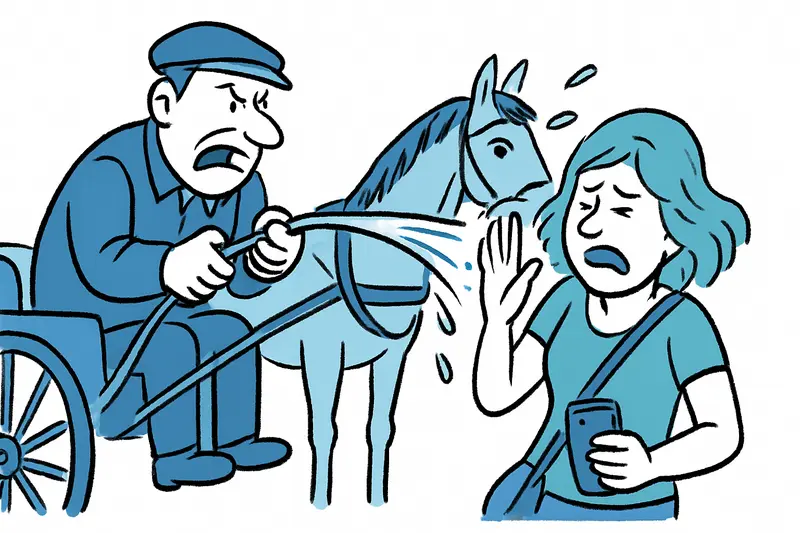
Water, Words, Responsibility: The Dispute over Horse-Drawn Carriages in Palma
A German tourist in Palma is sprayed with water by a carriage driver. Protests, accusations and a city investigation sho...
Can Malle hits really work in Hamburg? A reality check for the premiere of "ALLE LIEBEN MALLE"
Premiere at the Großmarkt: thousands of attendees, stars from the Megapark and long beer queues. Why the concept works —...
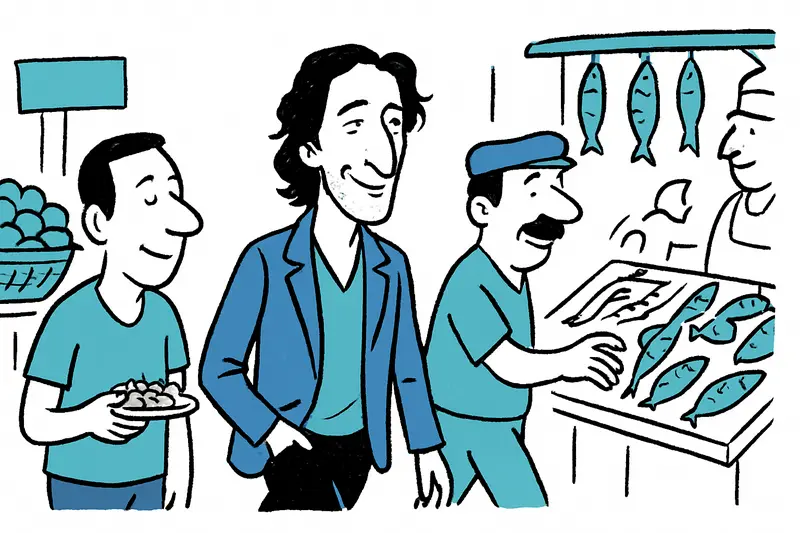
Adrien Brody strolls through Mercat de l'Olivar – celebrity visit leading to Sa Pobla
Actor Adrien Brody was casually spotted at the Mercat de l’Olivar: tapas, fish stalls and later a stop in Sa Pobla spark...
Who can pick up whom? The complicated life of Mallorca's taxis
Three years after the inter-municipal service, empty runs are rarer — but there is a lack of equal treatment, transparen...
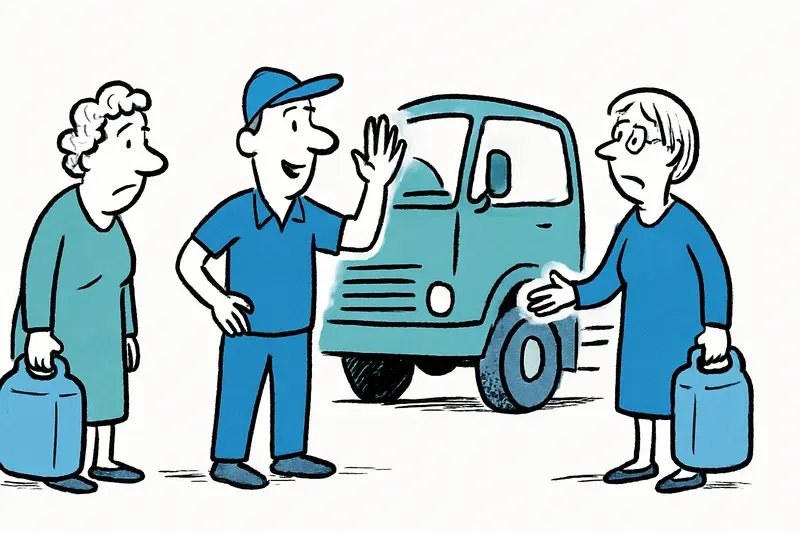
When the Tap Only Runs Sometimes: Why Municipalities in the Balearic Islands Are Now Rationing Water
Deià, Valldemossa, Esporles, Sóller and several places on Menorca are scaling back water supply. Who is responsible, why...
More to explore
Discover more interesting content

Boat Tour with BBQ along Es Trenc Beach

Private transfer from Mallorca Airport (PMI) to Pollensa
