
Gegants Parade in Palma Cancelled: When Rain Moves Cultural Pieces to the Town Hall
Gegants Parade in Palma Cancelled: When Rain Moves Cultural Pieces to the Town Hall
Due to poor weather forecasts, the city of Palma has cancelled the planned parade of the Gegants. What this means for the festival atmosphere, the performers and local residents — and how the city could communicate better.
Gegants Parade in Palma Cancelled: When Rain Moves Cultural Pieces to the Town Hall
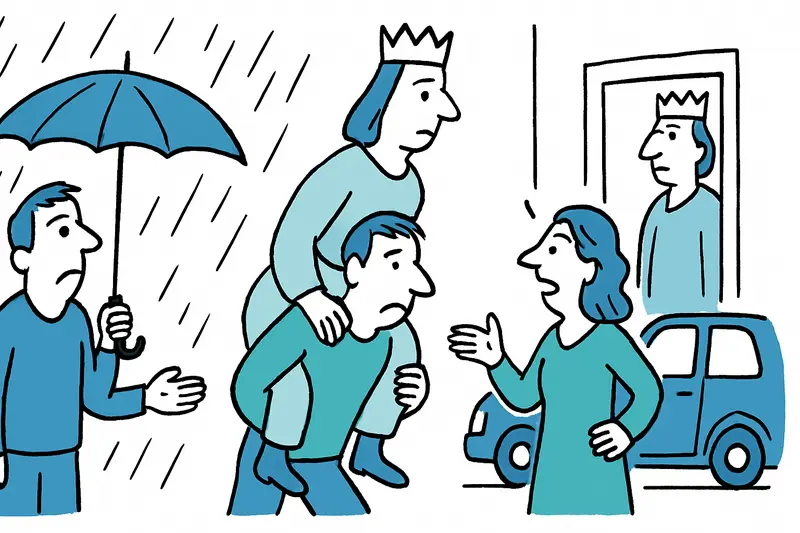
The city's giant figures, the Gegants, were supposed to march through Palma's streets to Plaza Porta Pintada today as part of the Sant Sebastià festival. Instead they stay dry: the city administration has abruptly cancelled the parade because of the severe weather in Palma and placed the figures in the town hall's entrance hall from 10:30 a.m.
Key question
How good is Palma's crisis communication when cultural events have to be reorganised because of the weather — and what is lost for people on the street in the process?
Critical analysis
The decision to cancel the parade is understandable from the perspective of public safety: wind, rain or slippery paving are real risks when several-metre-high figures and the teams carrying them must be manoeuvred through narrow alleys. At the same time, the short-notice cancellation raises questions. For visitors who came out in rain jackets and with children, it is frustrating. For the teams behind the Gegants it is a logistical and emotional burden: the figures are not mere props, they are crafted cultural heritage that can be sensitive to moisture and impact.
What is missing from the public debate
The debate often lacks the perspective of volunteers and small businesses: market stalls, photographers, local coach companies and cafés along the route lose customers when a parade is cancelled at short notice — a pattern visible in recent autumn festival cancellations in Mallorca. Equally little discussed is the protection of the cultural objects themselves — how are the Gegants stored, secured and conserved when the weather changes? Also: how transparent are the criteria the city uses to decide cancellations? A clear timetable with threshold values for wind strength or heavy rain is missing from public information, a gap exposed by a postponed park festival in Palma.
An everyday scene from Palma
Imagine Plaça Cort in the morning: wet cobblestones, a few tourists with shopping bags, a woman under a large umbrella looking up where the cathedral tower normally gleams. A cold Tramuntana gust blows in from Passeig del Born. Two young people who actually wanted to go to the techno parade stand in the drizzle with headphones and debate whether the sound system will even run outdoors.
Concrete solutions
1) Earlier decision windows: A binding deadline (e.g. six hours before the start) for cancellations reduces uncertainty for organisers, helpers and the audience. 2) Communication cascades: SMS alerts, announcements on the city's social accounts plus information on municipal boards and buses prevent people from heading out in vain. 3) Indoor plans: For traditional figures like the Gegants, fixed indoor locations (multipurpose halls, market halls) should be named as plan B — with logistical preparation to meet transport and safety requirements. 4) Protection concepts: Moisture protection, polymer covers and agreed handling protocols preserve the figures. 5) Social compensation: Small businesses along the route could be supported at short notice with city vouchers or offers of indoor space to cushion revenue losses.
Techno and responsibility
A techno parade is scheduled for the evening, starting at 6:00 p.m. at Plaza Sant Francesc and heading to the Gesa building. Special caution applies here: large speaker trucks on wet streets are a safety issue as much as noise protection for residents. The city should clearly communicate which conditions apply to the operation of the equipment, how escape routes will be kept clear and where medical stations will be set up.
Concise conclusion
Cancellations are part of event life, especially on an island with changeable winter weather. What matters is not only the decision itself but how it is communicated and how those affected are supported. Palma can learn from such days: clearer criteria, better communication and a solid plan-B network would help ensure culture loses as little as possible to storm and rain — and that the city's atmosphere does not get stuck in the drizzle.
Frequently asked questions
Why was the Gegants parade in Palma cancelled because of the weather?
Where were the Gegants in Palma taken after the parade was cancelled?
What should I do if a Palma festival parade is cancelled because of rain?
What happens to the Gegants when Palma gets heavy rain?
How does bad weather affect Sant Sebastià events in Palma?
Why are short-notice parade cancellations frustrating for visitors in Palma?
Which businesses in Palma are affected when a parade is cancelled?
Is there an indoor plan for the Gegants in Palma if the weather is bad?
Similar News
Magaluf: Watchtower Alarm – Lifeguards Pull Unconscious Beachgoer from the Water
After a drama in the late afternoon, two lifeguards at Magaluf beach rescued an unconscious 44-year-old man. He was stab...
Turquoise in the City: How dangerous is the color play of the Sa Riera?
The Sa Riera in Palma suddenly turned turquoise — a pretty motif, but behind the effect lies a discharge of saline waste...

Jeckliner at Sunnesching: Cologne spirit sets sail from Palma
In September 2027 the Mein Schiff 2 briefly becomes a floating carnival stage: four days with Cologne bands, comedy and ...
Finally Home: Mike and Leyla Heiter Buy Villa with Sea View in Mallorca
The reality TV couple Mike and Leyla Heiter have bought a house in Mallorca with a roof terrace and sea view. An Instagr...
Arrest after series in Palma: Who protects apartments from repeat offenders?
The National Police arrested a man in Palma who investigators say may have broken into several apartments. In one incide...
More to explore
Discover more interesting content

Can Cap de Bou

Townhouse Lleo 72
