
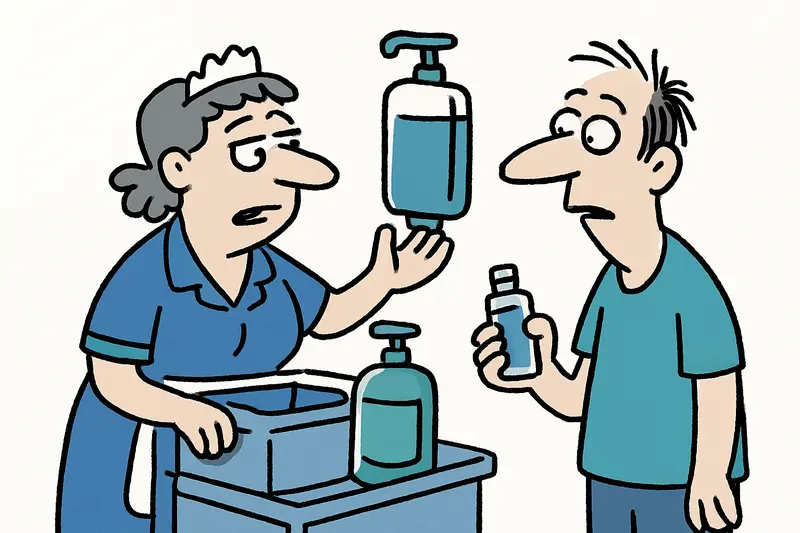
Goodbye to single-use shower bottles: What Mallorca's hotels will actually have to do from 2026
Goodbye to single-use shower bottles: What Mallorca's hotels will actually have to do from 2026
The EU rule against single-use hygiene items also affects Mallorca: small bottles in hotel rooms will be phased out from mid-2026 and largely banned from 2030. What this means for holidaymakers, cleaning crews and the local hotel sector — and which gaps have so far been little discussed.
Goodbye to single-use shower bottles: What Mallorca's hotels will really have to do from 2026
Between housekeeping carts and pool bar: An EU regulation changes hotel daily life
The new EU packaging regulation (PPWR) brings a noticeable change for guests in Mallorca: small single-use bottles with shampoo or shower gel are to gradually disappear in the accommodation sector; the starting signal for initial measures falls in mid-2026, and a broad ban is scheduled for 1 January 2030. The most sober question is: What concretely changes at check-in, in the rooms and behind the scenes?
In short: the small plastic sachets at the breakfast buffet and the mini shower-gel bottles on the edge of the bathtub will become the exception. Hotels will in future have to rely on refillable dispensers, larger containers or issue products on request. That sounds simple, but it affects several levels — hygiene, logistics, costs and guest expectations.
Hoteliers' first considerations revolve around two things: How do we maintain the standard guests are used to? And how do we organise the replacement without disrupting ongoing cleaning and supply workflows? For large hotel chains the change is more complex, but can be planned with central procurement contracts. Small guesthouses and private holiday lets, by contrast, have significantly less purchasing power and less space to set up alternative systems (Madrid draws the line: Stricter rules for holiday rentals — and what Mallorca must do now).
Insights from everyday life: in the morning on the Passeig Marítim you see the cleaning teams with their typical carts, which used to carry crates of small shampoo bottles. The soft clatter of the wheels, the smell of cleaning agents and coffee mingle. When the little bottles disappear, the routine on those carts changes too — instead of boxes there will be large canisters and a small pump container. For the room attendant this means new handling and possibly additional steps when refilling, if no external refill-service companies deliver the refill stations.
Critical analysis: The rule in its current form visibly reduces plastic waste, but it is not a panacea. First problem areas: How will refill dispensers be kept hygienically safe? Who checks that a dispenser is not refilled for years with low-quality product? What requirements apply to hotel chains with several properties in different member states? And not to forget: how will compliance be practically checked — by When the Tap Becomes a Luxury: Seven Municipalities Tighten Water Rules in Mallorca, regional tourism offices or EU inspectors?
What has so far been underrepresented in the public debate: support for small businesses, clear hygiene specifications and transitional financing. Much is said about environmental benefits, less about cost distribution. A family-run business in Port de Sóller does not have the same balance sheet as the operator of a holiday complex in Playa de Palma; without targeted support the costs risk eating into service quality. The issue of accessibility is also often overlooked: guests with certain mobility impairments or visual impairments frequently use pre-packaged single portions or special portion sizes.
Concrete proposals that could make sense here in Mallorca: shared refill stations for several small accommodations in one municipality; clear standards for sealed, tamper-evident dispensers; a labelling requirement for ingredients in several languages; a state (or regional) subsidy for the purchase of dispenser systems for small businesses; practical inspection procedures by the island authorities instead of additional bureaucracy from Brussels.
Practical tips for guests: ask the hotel before booking how hygiene products are provided; request products on arrival if needed; bring a small travel-size of your own shampoo if you have special needs. Hoteliers should put up visible information signs — explained in German, Spanish and English — and communicate the new procedures in a friendly way. Good information avoids surprises when the small plastic bottle is missing.
For the tourism sector this is an opportunity, but not a given. Mallorca has experience with standards (beach labels, quality checks) (Can you still safely swim in the sea around Mallorca? A look at water quality in 2025), so a coordinated island strategy is obvious: pilot projects in different municipalities, exchange of experience between hotel associations and the chamber of crafts, and visible labelling for hotels that work cleanly and sustainably.
Conclusion: The EU rule is more than a ban on mini bottles — it requires rethinking the everyday life of hotels. Those who plan now, communicate and specifically support small hotels can save waste while preserving service quality and guest satisfaction. Those who wait risk trouble at reception and frustrated cleaning staff — and that is neither sustainable nor likeable in a place where the coffee on the Paseo is still strong in the morning and people like to be greeted with a smile.
Frequently asked questions
Will Mallorca hotels still offer shampoo and shower gel in the rooms from 2026?
Why are single-use shower bottles being phased out in Mallorca hotels?
When will the ban on hotel mini bottles start in Mallorca?
How will hotel housekeeping in Mallorca change without small toiletry bottles?
Are refillable dispensers hygienic in Mallorca hotels?
What should guests do if they need their own toiletries in Mallorca hotels?
Will small hotels and guesthouses in Mallorca find this change harder?
What does the toiletries rule mean for holiday rentals in Mallorca?
Similar News

Haute Nuit in Puerto Portals: Fashion, Art and Indulgence by the Water
On October 2 the Lobster Club in Puerto Portals will be transformed into a stage for curated fashion, art and culinary e...
Magaluf: Watchtower Alarm – Lifeguards Pull Unconscious Beachgoer from the Water
After a drama in the late afternoon, two lifeguards at Magaluf beach rescued an unconscious 44-year-old man. He was stab...
Turquoise in the City: How dangerous is the color play of the Sa Riera?
The Sa Riera in Palma suddenly turned turquoise — a pretty motif, but behind the effect lies a discharge of saline waste...

Jeckliner at Sunnesching: Cologne spirit sets sail from Palma
In September 2027 the Mein Schiff 2 briefly becomes a floating carnival stage: four days with Cologne bands, comedy and ...
Finally Home: Mike and Leyla Heiter Buy Villa with Sea View in Mallorca
The reality TV couple Mike and Leyla Heiter have bought a house in Mallorca with a roof terrace and sea view. An Instagr...
More to explore
Discover more interesting content

Can Cap de Bou

Townhouse Lleo 72
