
Pleasure with a Guilty Conscience: A Ferrari Day on Mallorca and the Island's Bill
Pleasure with a Guilty Conscience: A Ferrari Day on Mallorca and the Island's Bill
An afternoon in a Ferrari Roma Spider along the Paseo Marítimo and through the Serra de Tramuntana: driving pleasure at the highest level — and a climate and noise problem the island must reckon with. A critical assessment and concrete proposals.
Pleasure with a Guilty Conscience: A Ferrari Day on Mallorca and the Island's Bill
In the sports car between adrenaline and eco-question marks
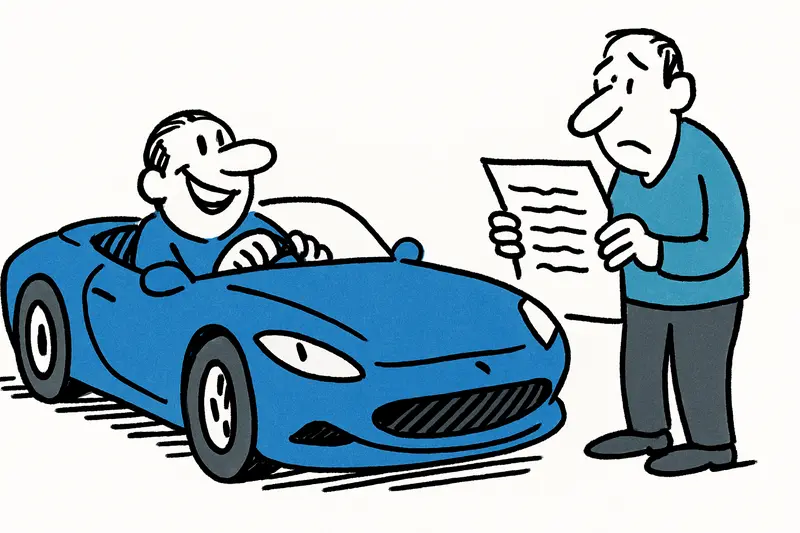
A red Roma Spider stands on the first floor of Motorworld in Palma, polished, the sun reflecting in the paint. The key is handed to the renter, the car rolls by elevator onto the courtyard, then out along the Paseo Marítimo — past joggers, taxi buses and cafés where the staff are still clearing cups, a scene that has also been contrasted with harbour coverage such as Yasmine of the Sea in Palma: Luxury, Noise and the Bill for the Island. Shortly after, a lowered sports car makes the air tighten like an animal that has been woken: a pleasure that makes many people clench inside.
Key question
How does the private enjoyment of pushing a highly powered sports car through the hairpins of the Tramuntana reconcile with responsibility toward an island already groaning under summer traffic, noise and rising temperatures? That tension sits alongside perspectives about mobility on the island, for example in Discover Mallorca by Rental Car: Why a Car Makes the Day.
Critical analysis
The appeal is understandable: tight bends, sea views, a loud V8 and the feeling of briefly mastering the road. But that's only half the truth. Such cars consume well over 20 liters per 100 kilometers when driven briskly; the immediate consequences are additional CO2 emissions, stronger noise and more fine particulate matter in tourist hotspots and small mountain villages. Along the Paseo Marítimo, SUVs and sports cars often line up in season while the TIB buses reach capacity limits and headlines about summer traffic jams are not uncommon, and events such as the 550 Challenge in Mallorca: A Treat for Petrolheads, a Burden on Everyday Life can intensify that pressure. Revving the engine doesn't just shift emissions in space and time — it temporarily changes the quality of life along the route: windows stay shut, conversations fall silent, birds withdraw.
What is missing from the public discourse
Instead of only showing the spectacular image, there is rarely talk about the numbers: How many outings per week do luxury sports car rentals make? What emissions arise solely from rental fleets of high-performance cars? There is a lack of transparent data and a debate about targeted rules for short-term rentals of loud, thirsty vehicles. Also scarcely visible: the burden on small places like Estellencs or viewpoint areas where peace and nature are essential for residents and sustainable tourism.
An everyday scene on Mallorca
Imagine a late afternoon at the Mirador de ses Ànimes, the sun sinking, two older women sitting on a low wall with the sea behind them. A sports car arrives, the roof opens, the engine roars — the women immediately move a little closer together, the dogs bark, and on the opposite field a herd of goats baas and then leisurely crosses the road. Scenes like this repeat across many corners of the island: short, loud interventions in an otherwise unhurried daily life.
Concrete solutions
1. Transparency requirement for rental companies: mandatory reporting of fleet composition, consumption data and average annual kilometers to the municipality. This would create a data basis for political decisions. 2. Noise and emissions quotas: municipalities could introduce limits for particularly loud or high-emission short-term rentals in sensitive zones — for example around viewpoints, narrow mountain villages and promenades. 3. Mandatory deposit for fines and obligatory information about local traffic rules at the start of the rental. 4. Promote electric high-performance vehicles in the rental industry through reduced fees, charging infrastructure at the airport and targeted advertising to customers. 5. Tourist education: short briefings or digital notices at booking that point out noise, route rules and nature protection. 6. Revenues from a targeted surcharge on sports car rentals should be invested in expanding public transport (TIB extensions), noise protection measures and restoring green spaces. 7. Mandatory testing or driving training for renters of high-performance cars to reduce risky behavior.
Why this is practicable
Many measures are administratively manageable because they build on existing rental contracts and municipal competencies. Data obligations and deposit rules are not a technical revolution; they require clear regulations and enforcement. A surcharge or special fee is politically sensitive, but it would make hidden costs visible: loud pleasure drives have external effects that no one currently pays for directly.
Punchy conclusion
An afternoon in a Ferrari remains for fans an event you can almost smell: leather, hot paint, petrol. But Mallorca is not a test track; the island has limits — noise, traffic, climate. Those who want to drive here should not leave the bill solely to their feelings. It's time to reconcile enjoyment and the common good: fewer unregulated joyrides, more responsibility on the part of renters and rental companies, clear rules from politicians. Otherwise the bottom line remains: pleasure with a guilty conscience.
Frequently asked questions
Is it a bad idea to drive a loud sports car around Mallorca?
What should I know before renting a Ferrari in Mallorca?
Why do sports cars cause so much criticism in Mallorca?
Are mountain drives in the Tramuntana suitable for supercars?
Is the Paseo Marítimo in Palma busy with sports cars and rentals?
What is happening with Ferrari rentals at Motorworld Palma?
How can Mallorca reduce the impact of noisy rental cars?
Do tourists in Mallorca need to think differently about driving a high-performance car?
Similar News
Mini-tsunamis in Mallorca: Harmless natural phenomenon — or an underestimated danger?
Two harbor towns in Mallorca recorded unusual water level fluctuations. An analysis: How rissagas form, who is at risk —...
Stinging jellyfish in Cala Banyalbufar: Why everyone suddenly fled the water
In Cala Banyalbufar, Pelagia noctiluca washed up in droves. A personal account of why this is no coincidence, what is of...
New low-pressure trough brings rain — and the heat remains: What's missing in Mallorca?
A short, intense window of showers hit Mallorca, yet the air remained muggy and warm. Key question: Why does rain hardly...

Klaus-Michael Kühne has died: The entrepreneur who gave Mallorca a second home
He first arrived on the island at 60; later the holiday house became Castell Son Claret – a hotel, a music venue and an ...

Buying Instead of Moving Away? Why Every Fourth Property Owned by Balearic Residents Isn't Located Here
Almost a quarter of the apartments purchased by Balearic residents are located on the Spanish mainland. A concise analys...
More to explore
Discover more interesting content

Boat Tour with BBQ along Es Trenc Beach

Private transfer from Mallorca Airport (PMI) to Pollensa
