
Hantavirus on board the 'MV Hondius': What do we know — and what don't we?
Hantavirus on board the 'MV Hondius': What do we know — and what don't we?
Three dead, five suspected cases: A hantavirus outbreak on the MV Hondius has set off alarms worldwide. Why there is so little clarity and which measures are needed now.
Hantavirus on board the 'MV Hondius': What do we know — and what don't we?
Guiding question: How could a deadly hantavirus outbreak occur on a luxury liner — and what answers are still missing?
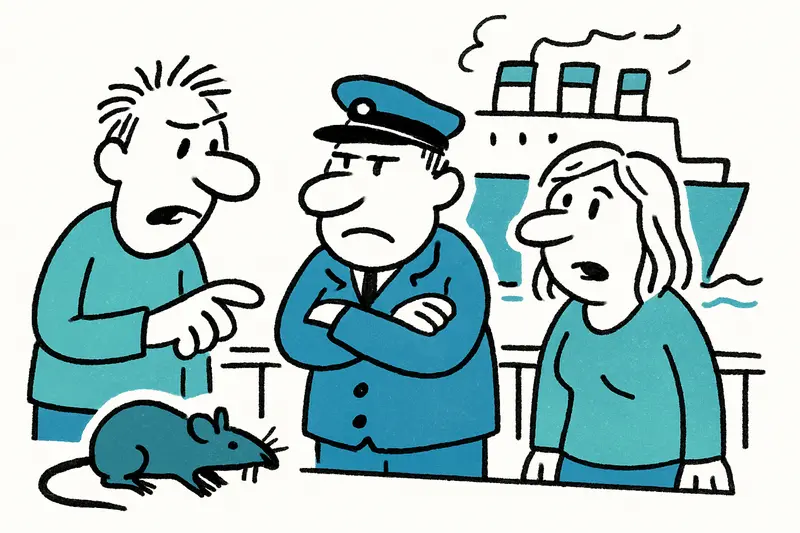
The WHO reports: On the cruise ship 'MV Hondius', which had departed from Ushuaia (Argentina) and was en route toward Cape Verde with the Canary Islands as its destination, three people died as a result of a hantavirus infection. One case is laboratory-confirmed and five others are being treated as suspected cases; one of the affected individuals is in an intensive care unit in South Africa. The organization is supporting medical care on board and coordinating evacuations and risk analyses, as seen in situations like Emergency on Board the Aidamar: Why a Helicopter Medical Evacuation Raises Questions.
Such reports in quick succession are rare. In Palma you can currently hear the usual murmur of voices in cafés along the Passeig Mallorca, along with the croaking of seagulls. Yet people sit at tables and ask: Could something like this happen to us if a ship docks here? That question leads directly to analysis.
Critical analysis: The WHO names what is typical — hantaviruses are often associated with contact with the urine or feces of infected rodents. It is also known that occasional human-to-human transmissions are possible. What the report does not provide is decisive: the pathogen's sequencing data, details on the timing and location of initial contacts, the movements of affected people on board, and whether there are indications of infection before or after departure.
Without the sequence, it is unclear whether this is a known hantavirus variant typically found in rodent populations or a rarer form with different transmission behavior. The WHO says it is working on sequencing — this is important because the result can influence protective measures: with a typical environmental transmission the focus is on rodent control, whereas with possible human-to-human transmission strict isolation and contact tracing are required.
What is missing from the public discourse: transparent information about procedures on board. Was the provisioning in Ushuaia checked? Are there signs of rodent infestation in storage areas or supply containers? How were crew and passenger contacts documented? Which nationalities and which health authorities are directly responsible — only those of ports the ship called at, or also those in whose territorial waters it now finds itself?
An everyday sketch from Palma: The harbor police who do their rounds at Moll Vell in the morning know the procedures for on-board inspections. But authorities are often occupied behind the scenes with phone chains and forms rather than standing in front of cameras. Residents who in summer pick up passengers from the ship expect reliable rules, not just headlines.
Concrete solutions — immediately implementable:
For authorities and WHO coordinators: Immediate prioritization of full genetic analysis with open, timely publication of results to national reference laboratories; a clear timetable for evacuation and quarantine rules for potentially exposed persons; coordinated reporting to health authorities of all possible ports of call including the Balearic Islands.
For the shipping company and ship management: Prompt disclosure of hygiene protocols, inspection of all storage and supply areas for signs of rodents, immediate implementation of anti-infection measures on board (separation of suspected cases, personal protective equipment for medical staff, protocols for food supplies).
For port authorities: Standardized checklists before docking: ship health status, list of potentially exposed persons, planning for medical reception at the berth, protection measures for shore personnel and emergency services.
For doctors in Mallorca: Increased awareness in emergency routines: patients with respiratory failure and a relevant travel history to cruise ships should be tested early for rare causes and isolated if necessary, informed by recent regional alerts such as K Variant: Reality Check - How dangerous is the severe flu wave for Mallorca?.
What should change: more transparent information flows instead of fragmented statements. Authorities and operators must name clear contact points for travelers and for local hospital networks. In Mallorca that means: the Balearic health directorate should be able to quickly receive contact lists if the ship were to call at the islands, as with recent local incidents such as First West Nile Case in the Balearic Islands: What the Horse Discovery on Menorca Means.
What not to do: stoke panic. Hantaviruses are dangerous, but they are not automatically a signal of a global pandemic. The sober conclusion is: targeted, promptly implemented measures protect passengers, crew and port personnel.
Punchy conclusion: The WHO report makes the existence of the problem visible, not its cause. As long as sequencing data, sample timings and complete contact data are missing, much remains speculation. In Mallorca the focus should not be on lighting lighthouses, but on processes: health authorities must demand binding information channels, shipping companies must disclose their storage and pest control measures, and medical care ashore must be coordinated. Only in this way will an alarm over the Atlantic become tangible safety for people on board and on land.
Frequently asked questions
What is the weather like in Mallorca in late spring?
Is Mallorca warm enough for swimming in spring?
What should I pack for Mallorca in shoulder season?
When is the best time to visit Mallorca for mild weather?
Is Palma de Mallorca good for a city break?
What is Sóller like for a day trip in Mallorca?
Is Alcúdia a good place for a family holiday in Mallorca?
What is the best way to spend a quiet weekend in Mallorca?
Similar News

Mueller continues expanding in Mallorca: Artà in 2026, Can Picafort in early summer 2027
The drugstore chain Mueller is opening two new stores in Mallorca: a 1,400 m² shop in Artà on 5 November 2026 and a bran...
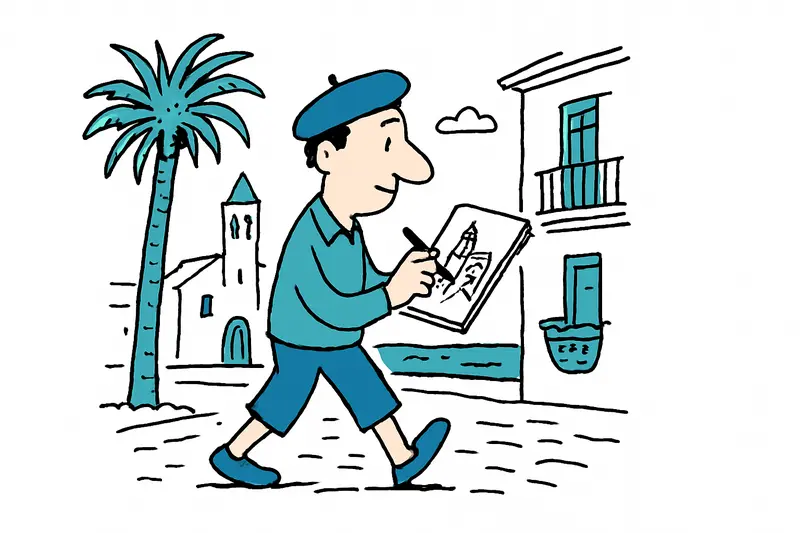
The Painter Who Lived Mallorca: Franz Taussig and His Century-Old Secret
A hundred years ago a young Viennese arrived in El Terreno, sketched the island and called himself Francis Caron. Today ...
Airport dispute: Bridge, forecasts and the question of responsibility
A video by the Spanish transport minister has ignited the dispute over DORA figures, capacities and local governance pow...
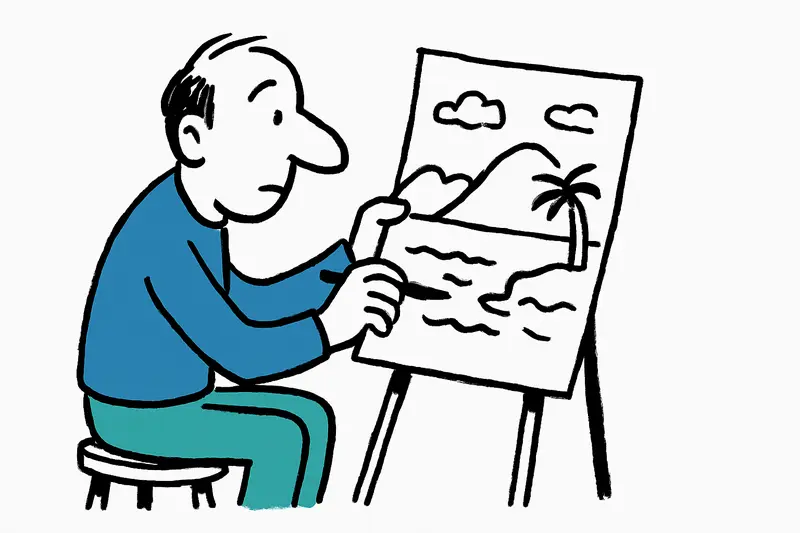
The Painter Who Invented Himself: How a Young Viennese Drew Mallorca
A hundred years ago a 19-year-old draftsman arrived in El Terreno. His diary and sheets, long known under the pseudonym ...
Released with Conditions: The Plus Ultra Suspicion and a Mallorcan Finca as Residence
A Dutch entrepreneur, sought in connection with the Plus Ultra case, was extradited to Spain after his arrest in Germany...
More to explore
Discover more interesting content

Can Cap de Bou

Townhouse Lleo 72
