
After Being Admitted to Hospital Again: Heinz Hoenig and the Questions We Should Ask in Mallorca
After Being Admitted to Hospital Again: Heinz Hoenig and the Questions We Should Ask in Mallorca
Long-time Mallorca resident Heinz Hoenig was admitted to hospital again. A clear “what next?” is missing from the coverage. A look at the facts, everyday life on the island and concrete proposals for better care and transparency.
After being admitted to hospital again: Heinz Hoenig and the questions we should ask in Mallorca
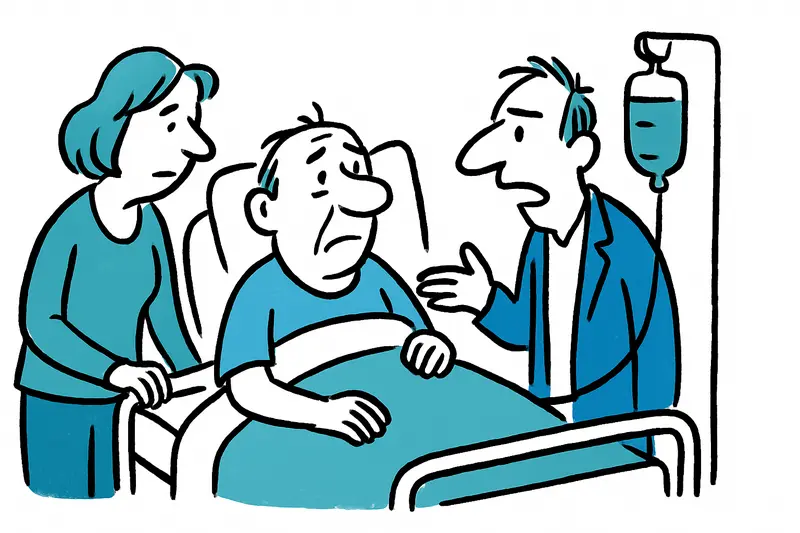
The news sounds simple: the actor Heinz Hoenig, who had his primary residence in Mallorca for many years, was quickly taken to hospital after an acute incident in his apartment in Blankenburg. His wife Annika initially drove him to the clinic in Halberstadt; from there he was airlifted by helicopter to the university clinic in Magdeburg. Those are the verifiable facts.
Key question
How good is the medical care for elderly residents with serious pre-existing conditions — and what information do locals and friends in Mallorca really need?
Critical analysis
The bare facts — sudden deterioration, admission, transfer by helicopter — show the emergency network in action. At the same time important points remain in the dark: How stable is his condition currently? What risks exist after his earlier serious infection in April 2024, when, among other things, the aorta and esophagus were affected? Such details influence decisions by relatives and caregivers, but must not unnecessarily violate privacy.
Many older German-speaking people live on Mallorca, often alone or as part of small communities between Santa Ponça and Calvià. When a well-known resident like Hoenig falls seriously ill, neighbors, club members and acquaintances immediately ask: Is local care sufficient? Who coordinates transport to specialized centers in an emergency? The answers are not always publicly available; reporting on systemic issues like this includes Waiting lists in the Balearic Islands: Too many patients, too little OR time — and what must be done now.
What is usually missing in public discourse
Reports are dominated by dramatization or celebrity facts. Concrete information about medical infrastructure and practical precautionary measures here on site is almost always missing; local coverage such as Masks Back in Clinics? A Reality Check for Mallorca touches on related policy measures. On Mallorca we often talk about fincas, beaches and gastronomy, less about sensible emergency plans for residents with complex medical histories. Clarity and practical guidance would be helpful — without sensationalism.
Everyday scene from Mallorca
Imagine the road between the Badedorado in Santa Ponça and the village of Calvià: late in the afternoon plates clatter in the small bars, an olive seller folds her bags together, and cicadas chirp in the distance. An old man I know sits on a bench, watches the passing cars and says: "You don't think about the clinic, you think about the next coffee." Scenes like this show how medical emergencies can fade into everyday life.
Concrete approaches
1) Better information for residents: municipalities and health centers could offer compact emergency leaflets in several languages — which hospitals are responsible for which cases, procedures for transfer by air ambulance, contact lists for relatives — and explain developments such as New Hospital in Felanitx: Opportunity for the Llevant — but Questions Remain.
2) Strengthen neighborhood networks: In many places neighbors already organize mutual help. Official support for such groups would improve rapid first aid and information in an emergency.
3) Maintain document folders: a simple digital emergency profile with allergies, serious pre-existing conditions and preferred contacts (accessible to treating doctors) can save time — of course with the consent of those affected.
4) Education offers for relatives: courses on first aid, dealing with cardiovascular and infectious diseases and on the process of transfers could be offered more often, for example in community centers between Palma and the southwest towns.
Why this is relevant for Mallorca
We have many long-term residents, often prominent or locally known. Their cases are warning signs: emergency care works — but information gaps unsettle friends and neighbors. A solidaristic island community should take care of prevention and clear procedures, without falling into voyeurism.
Pithy conclusion
It remains correct to respect Heinz Hoenig's privacy. At the same time the situation raises questions we may ask here in Mallorca: Are emergency routes and information for older residents adequate? Small, pragmatic measures — better information sheets, strengthened neighborhood help, digital emergency profiles — would help many people. When an island community pulls together, it's not just the headline that counts, but the preparation for the next emergency.
Frequently asked questions
How robust is emergency medical care for older residents with complex health issues in Mallorca?
What practical steps can Mallorca residents take to improve emergency readiness?
How should families in Mallorca coordinate rapid transport to specialized centers when needed?
What role do neighborhood networks play in Mallorca's emergency response?
What is a digital emergency profile, and how can it help Mallorca residents?
Are there education resources for families about first aid and emergency transfers in Mallorca?
What information should residents in Santa Ponsa and Calvià have about emergency care?
What key takeaway should Mallorca communities focus on after high-profile medical cases?
Similar News
Yellow Alert: Is Mallorca Prepared for the Next Rain Band?
Aemet has issued a yellow alert for the south, southwest and the island's interior. Thunderstorms and heavy rain are for...
Kegel brothers trial postponed: Why Mallorca must wait for a verdict
The trial of 13 German holidaymakers will not begin until May 2028. The long wait raises questions — for victims, defend...
Chaos on Palma's Runway: Why the Summer at the Airport Was So Disrupted
This summer laid bare where Palma airport is faltering: only just over half of departures were on time and seven percent...
Cocaine Offer on Ham Street: Why the Open Trade Should Ring Alarm Bells
In the middle of Pare Bartomeu Salvà a tourist was offered a packet of cocaine as part of a sunglasses deal. A short int...
Yellow Alert on Mallorca: Next Rain Front Approaches — Is the Island Ready?
Aemet issues yellow warnings for the south, southwest and central Mallorca: thunderstorms and heavy rain will push down ...
More to explore
Discover more interesting content

Can Cap de Bou

Townhouse Lleo 72
