
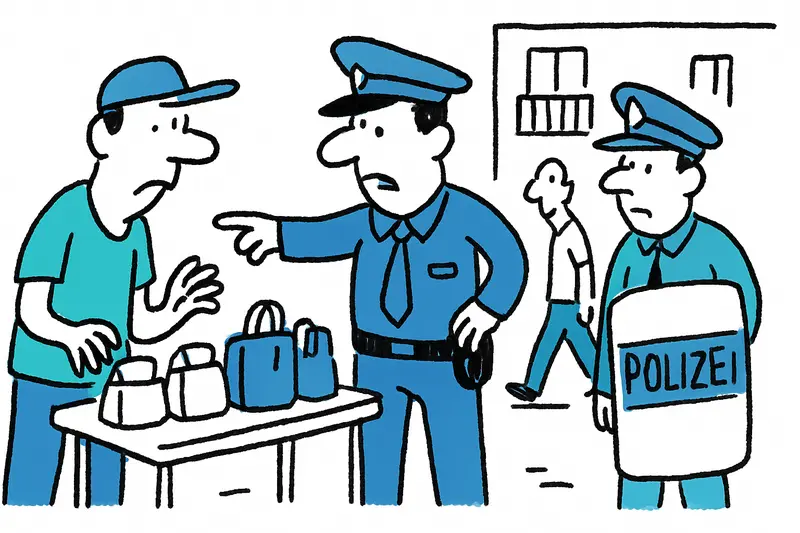
The 'Helmuts' in Trouble: How Palma Wants to Make Playa de Palma Safer This Summer
More police officers, joint operations by local and national police, and tougher checks on street vendors: the new plan for Playa de Palma responds to rising crime statistics. A reality check with an everyday scene, missing debates and concrete proposals.
Key question: Is more police alone enough to actually make Playa de Palma safer this summer?
On a Monday morning the Paseo at Playa de Palma is still half-asleep: delivery vans clatter, an ice-cream vendor folds up his tarpaulin, seagulls wheel overhead and in the distance you can hear the muffled bass thudding from a closed bar. Into this quiet hour comes a message from city hall: Mayor Jaime Martínez has agreed on an action plan with business owners and police leadership that promises one main thing — a significantly increased presence of local and national police along the promenade and shopping streets, a shift reflected in Palma Tightens Controls: More Security — or a New Punitive Culture?
In short, what's on the table
The city wants to clamp down harder on illegal street vendors, station additional patrols in priority zones and carry out joint checks by local and national police. This is not wishful thinking but a reaction to numbers: in the Balearic Islands more than 56,000 crimes were recorded in 2025, an increase of about seven percent. Particularly alarming are rises in robberies (+19%) and thefts (+15%). In summer 2025 police in Palma identified over 450 suspects, nearly 190 of them at the Playa — offences range from pickpocketing and fraud to physical assaults, as local reporting has shown in Tumults at Playa de Palma: When Controls Threaten the Beach Scene
Critical analysis: What these measures can achieve — and what they cannot
More officers on site have immediate effects: visible presence deters, enables quick interventions and increases the feeling of safety. Measures against street vendors make sense if they sever links to criminal structures and regulate market areas in a legally secure way. But uniformed presence alone is no panacea. Crime often simply shifts to other locations; organized gangs adapt their tactics. Moreover, a short-term seasonal boost is not enough if prevention, social work and tough action against exploitative structures such as human trafficking are missing.
What has so far been missing in public debate
First: prevention at the root. There is too little discussion about resting areas for the exhausted, addiction and counseling services in tourist zones or safe meeting places for young people. Second: continuity. Seasonal operations help, but the gangs that organise pickpocketing usually operate year-round. Third: the balance between security measures and quality of life for residents and legitimate traders. Harsh repression can empty the street and worsen the tourism experience.
Everyday scene as a litmus test
I stand one afternoon on Avenida de Playa de Palma, see an older woman at her stall selling hand-knitted hats, and next to her two men with plastic bags full of counterfeit branded goods. Tourists stop, try things on, laugh — a scene where harmless trade and the grey area of knock-offs blur. It is exactly here that enforcement concepts must work: distinguish, check, and if necessary confiscate — without pushing honest micro-entrepreneurs into the shadows.
Concrete, practicable proposals
1) Permanent task forces: a dedicated unit made up of local and national police, supplemented by social workers and street workers. Experience shows: a combination of enforcement and social intervention has longer-term effects. 2) Certified sales zones: clearly designated areas with legal licences, visible identification and regular checks reduce illegal street sellers and give tourists reliable options. 3) Multilingual prevention campaigns: information in hotels, on beaches and in shuttle buses about pickpocketing, common fraud methods and safe behaviour. 4) Night transparency: better lighting, video surveillance at critical junctions (legally vetted) and coordinated night patrols. 5) Anti-exploitation initiatives: cooperation with social services and health authorities to specifically tackle human trafficking and forced prostitution.
What should be implemented in the short term
Before the summer the operational plans should be made public: responsibilities, contacts for residents and traders and a hotline for guests who become victims. Training for restaurant and hotel staff to recognise signs of exploitation and patterns of theft would be a sensible measure that does not cost much but brings great benefits, a point highlighted by local coverage of incidents such as Arrests after threats at the city beach: Why an evening stroll must become safer again
Concise conclusion: More police are necessary and useful — but not enough. Those who really want to make Playa de Palma safer must combine controls with social work, strengthen legal forms of economic activity and carry out preventive information campaigns. Otherwise the solution remains piecemeal and the problems simply move to the margins: from the promenade into side streets, from the season into the rest of the year. The challenge is not purely a police matter; it is a task for city hall, police, traders and the neighbourhood together — otherwise you will hear the summer only by sirens and not by the voices of the people who live and work here.
Frequently asked questions
Is Playa de Palma likely to feel safer this summer?
Why is Palma increasing police presence at Playa de Palma?
What kinds of crime are most common around Playa de Palma?
Does more police on the streets actually reduce crime in Mallorca?
What should tourists do to avoid pickpocketing in Playa de Palma?
What is Palma doing about illegal street vendors at Playa de Palma?
Are the new safety plans in Palma only for the summer?
What practical safety measures could improve Playa de Palma beyond more police?
Similar News

Rental Car Theft in El Arenal: What This Incident Reveals About Our Gaps
A teenager steals a running rental car in El Arenal, flees on foot, climbs over walls and is caught by the Guardia Civil...
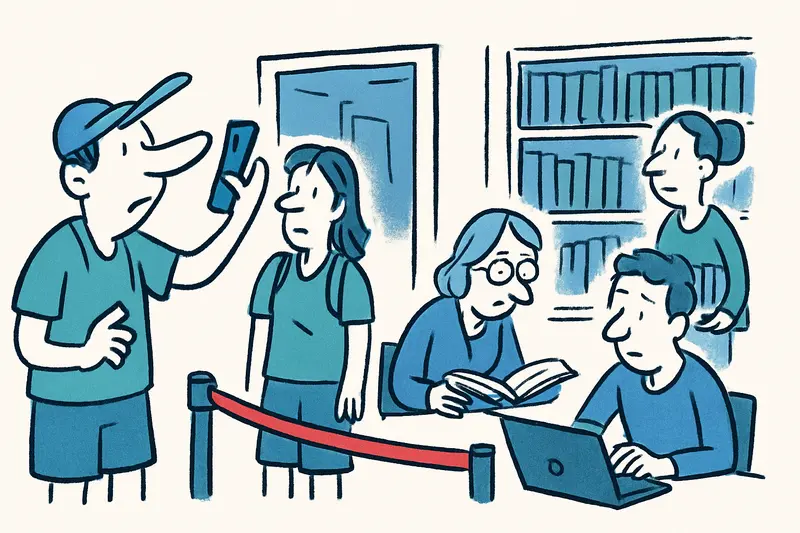
Red Rope in Palma's Library: What Helps Against Selfie Tourism — and What's Missing
Palma's city library cordoned off an area with a red rope to keep selfie tourism away from reading and working activitie...
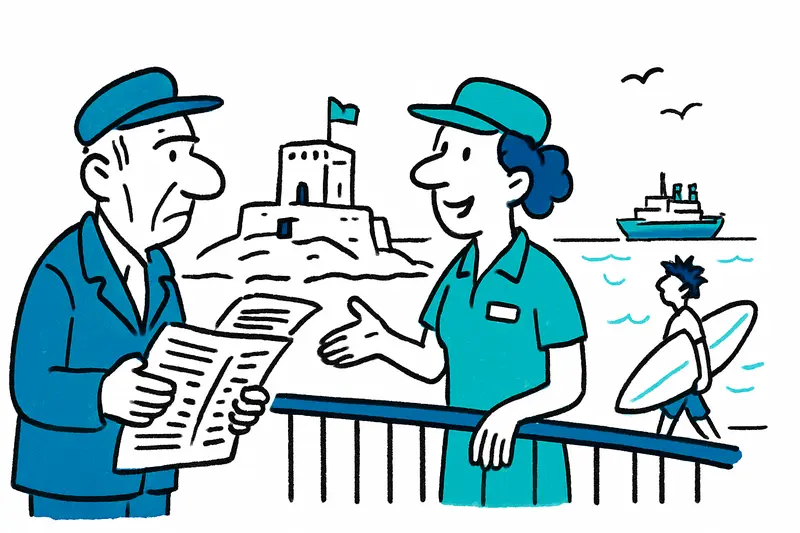
Fort San Carlos: Museum, Harbor Dispute — and a Conflict That Demands Answers
The military museum at Fort San Carlos sits right on Palma's harbor, with unexpectedly quiet rooms filled with cannons a...
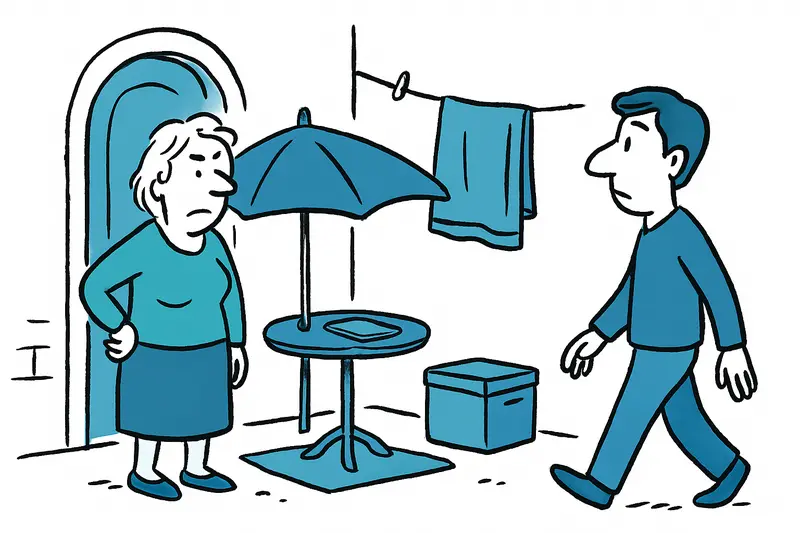
Old Town Under Pressure: When a Doorway Becomes a Sleeping and Shower Place
For months a woman has been living with a parasol, a clothes rack and personal belongings next to the social welfare off...

When Shopping Weighs Heavier: Mallorca Demands a Tax Pause on Food and Fuel
Rising prices are putting pressure on households and agriculture. The Balearic Islands are calling for temporary tax rel...
More to explore
Discover more interesting content

Can Cap de Bou

Townhouse Lleo 72
