
Two new hiking huts on Mallorca: Simple sleeping, deep breaths
Two new hiking huts on Mallorca: Simple sleeping, deep breaths
Two small hostels open from mid-January in protected areas: Es Canons near Betlem and the fisher's hut Can Cano in Mondragó Natural Park. Ten places, simply furnished, operated by the state conservation institute Ibanat.
Two new hiking huts on Mallorca: Simple sleeping, deep breaths
Es Canons near Betlem and the fisher's hut Can Cano in Mondragó Natural Park open – ten places, simple and in the middle of nature
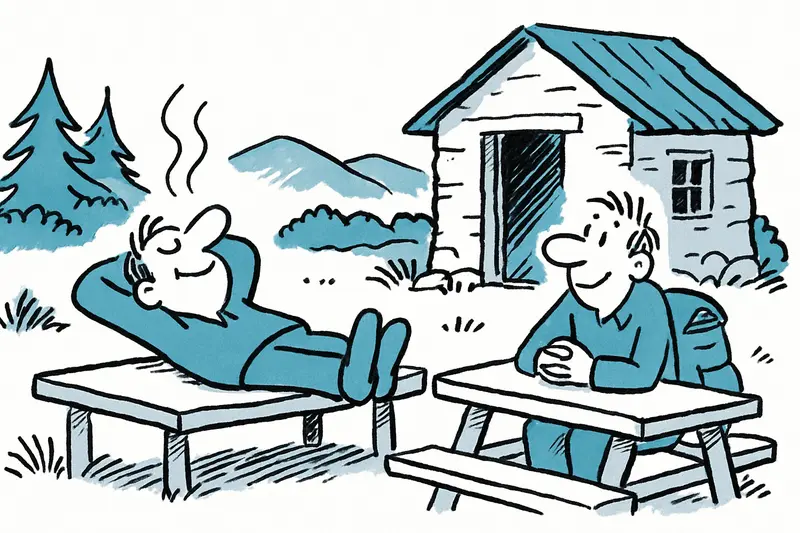
On a morning when the bells of the goats in the northeast still echo and the air smells of pine needles, you will feel the calm there: from mid-January nature lovers can book two fresh overnight locations on the island. These are not villas or boutique hotels, but two simple hostels that deliberately forego excess comfort and instead make the landscape the centerpiece.
The first hut stands on the public grounds Es Canons near Betlem. Where military buildings once shaped the area, space has been created for a small communal hostel with a total of ten sleeping places. A shared common room, simple resting spots, and outside tables and benches: often that is all that is needed. In the morning the view stretches over the bay of Alcúdia; in the evening the starry sky is loud and wide.
The Es Canons property has belonged to the Balearic government since 2018; the purchase cost 6.7 million euros. Parts of the area continue to be used by the municipality of Artà for workshops and holiday activities. The section that is now accessible as a hostel can, like the other accommodations in the state forestry and nature conservation institute Ibanat's network, be reserved in advance, as noted in Refugios reopen: Mallorca's mountain huts fill up after the summer break.
The second new opening lies in the south: the small fisher's hut Can Cano in Mondragó Natural Park. Here stone walls and reeds huddle together, the sea is never far away, and in the morning seagull cries mix with the gentle rustle of the waves. This accommodation also offers space for ten guests and operates on the same principle: simple furnishings, shared areas, closeness to nature instead of luxury.
Both houses are deliberately designed for low capacity. That is intentional: those who sleep here should not be a disturbance, but experience the landscape as their host. At a time when there is frequent discussion on the island about land use, water and bed numbers, these hostels stand for a different idea of tourism: quieter, smaller-scale, closer to nature.
Ibanat acts as the operator. The idea behind the offer is not to divert classic tourist flows, but to create additional, affordable overnight options for hikers, cyclists and locals who want to travel at a slower pace. Simplicity has its own charm: a sleeping bag, a headlamp, good shoes and the willingness to let the day end outdoors; hikers may also refer to the widely recommended ten essentials for hiking.
A small glimpse into everyday life: on the Cami de Betlem you often meet people with backpacks in winter who set off before breakfast. On the way to Mondragó walkers pause at the edge of the path to watch the song of migratory birds. In the evening you hear the quiet clatter of boat lines in the small coves – and otherwise mostly wind, water and silence.
For the island this is good news. Such places relieve busier stretches of beach, create experiences away from the hotel miles and promote an approach to nature that requires respect. They also offer local opportunities: short work cycles for maintenance, small supplies from the surrounding area and spaces for environmental workshops, which municipalities like Artà already use, while nearby refuges sometimes report high occupancy as described in Full beds, full joy: Refuges in the Tramuntana packed on the holiday weekend.
And it continues: the reopening of the mountain hut Gorg Blau in the Serra de Tramuntana is planned for 2026; it is currently being renovated. This shows: the project is more than a single experiment – it is part of a network that organizes careful access to the landscape.
A few practical notes for those interested: these are simple huts with minimal equipment. Reservations can be made, as with the other refuges, via the website of the nature conservation institute Ibanat. Visitors should be prepared for regional weather, bring a sleeping bag and warm clothing, and respect the rules of the natural park while on site.
In the end there is a small, charming message: Mallorca can show itself quietly. Those who spend a night in one of these hostels take home not only a bed but a piece of island atmosphere – the chirring of cicadas in the distance, the salty breath of the sea, the creak of old stone walls. An invitation to travel more slowly and look more closely.
Frequently asked questions
What are the new hiking huts on Mallorca and who are they for?
Can you book the new Mallorca hiking huts in advance?
What should I bring for an overnight stay in a Mallorca refuge?
What is Es Canons near Betlem like for hikers?
What is Can Cano in Mondragó Natural Park used for?
Are the new Mallorca huts suitable for cyclists as well as hikers?
When do the new Mallorca hiking huts open?
How basic are the new refuges in Mallorca?
Similar News

Haute Nuit in Puerto Portals: Fashion, Art and Indulgence by the Water
On October 2 the Lobster Club in Puerto Portals will be transformed into a stage for curated fashion, art and culinary e...
Magaluf: Watchtower Alarm – Lifeguards Pull Unconscious Beachgoer from the Water
After a drama in the late afternoon, two lifeguards at Magaluf beach rescued an unconscious 44-year-old man. He was stab...
Turquoise in the City: How dangerous is the color play of the Sa Riera?
The Sa Riera in Palma suddenly turned turquoise — a pretty motif, but behind the effect lies a discharge of saline waste...

Jeckliner at Sunnesching: Cologne spirit sets sail from Palma
In September 2027 the Mein Schiff 2 briefly becomes a floating carnival stage: four days with Cologne bands, comedy and ...
Finally Home: Mike and Leyla Heiter Buy Villa with Sea View in Mallorca
The reality TV couple Mike and Leyla Heiter have bought a house in Mallorca with a roof terrace and sea view. An Instagr...
More to explore
Discover more interesting content

Can Cap de Bou

Townhouse Lleo 72
