

Hiking in the Tramuntana Only with a Permit: Who Protects the Path, Who Protects the Rights?
Hiking in the Tramuntana Only with a Permit: Who Protects the Path, Who Protects the Rights?
The island council wants hikers to obtain a permit for sections that cross private land. A measure that tests tourism, owners and landscape protection alike. What is missing from the debate — and what could a fair compromise look like?
Hiking in the Tramuntana Only with a Permit: Who Protects the Path, Who Protects the Rights?
Key question: How can Mallorca secure free access to hiking trails in the Tramuntana without overriding private owners' rights and pushing hikers into bureaucratic dead ends?
The island council plans that hikers will in future need a written or digital permission from landowners for trail sections that run across private property. The background is that around 90 percent of the Serra de Tramuntana is privately owned. One model is a route near Valldemossa that operates with daily quotas: depending on the location, 20 to 40 people per day are allowed to pass. Also new is the idea of giving owners the right to relocate paths within their land. The draft law is on public display until mid-April.
At first glance this sounds reasonable: property should be respected, and overcrowded paths can be controlled. On closer inspection, however, a number of questions arise. Who will control the quotas? How should right-of-way, emergency access and historical routes be handled? Who pays for administration, who pays for damage, and what about the people who have used the paths for decades — farmers, shepherds, local walking groups?
A concrete everyday impression: On a mild February morning an older woman is sitting in the café on the Plaça in Sóller, her coat still slightly damp from the Tramuntana mist. She says her grandfather used to use the old Carrer de ses Voltes to pick olives. "If I need a permit tomorrow, how am I supposed to explain it to my granddaughter who comes from Palma to hike?" Small, real-life connections like this easily disappear in legal paperwork — and that is exactly what is missing from the current debate.
Critical analysis: The regulation clearly shifts power relations in favor of owners and the administration. An individual permit system creates incentives for inconsistent decisions: one owner allows access, the neighbor blocks it, paths are rerouted, historical tracks lose their purpose. If owners are allowed to relocate paths without clear guidelines, there is a risk of fragmenting the long-distance trail network and destabilizing rescue and maintenance logistics. At the same time, it remains unclear how tourism peaks and day-trippers should be managed, a problem visible in coverage of large events such as Mallorca by UTMB: When the Tramuntana Sets the Pace — Who Pays the Price?. Who will control illegal detours, short-distance walkers or mountain bikers taking shortcuts?
What is missing in the public discourse: First, a binding inventory — which paths are truly historical, which are primarily tourist routes? Cases like the long-running dispute over a blocked GR‑221 section in Sóller show how contested those distinctions can be: Path clear — but why so late? Soller must reopen closed GR-221 section. Second, financial rules: will there be a fund for path maintenance and compensation? Third, obligations for owners: must they provide access routes, ensure fire safety and keep emergency access open? Fourth, involvement of municipalities and the agricultural population — many locals use the trails not as "leisure" but as part of their work.
Concrete approaches without romanticization:
1) Three-tier system for paths: historical and municipal routes with a basic right of passage; tourist routes with quotas and mandatory booking; private paths subject to individual agreements. That creates legal certainty instead of ad hoc decisions.
2) Digital permit with transparency: A single online portal that shows permits, quotas and detours in real time. Short-term permits (e.g. for day hikers) cost little, while special uses by event organizers carry higher fees.
3) Maintenance model with participation: A mandatory maintenance fund, financed by permits and municipal funds, to support path upkeep, signage and rescue infrastructure. Even small infrastructure questions — for example who installs and maintains log benches — form part of that discussion: Who installed the log benches in the Tramuntana — and who is liable? Owners who keep paths open receive tax breaks or subsidies for repairs.
4) Mediation body before relocating paths: Before paths are relocated, an independent commission must examine effects on the landscape, neighbors, rescue routes and agricultural use. Relocations only in clearly defined exceptional cases.
5) Small-scale tests instead of blanket introduction: More pilot projects like in Valldemossa, but with evaluation criteria: ecological footprint, user satisfaction, burden on owners and effectiveness of quotas.
None of this is free or without administrative effort. But a system that relies solely on individual permits risks two things: first the erosion of public interests in freedom of movement in a mountain range that has been part of local life for centuries; second the creation of new conflicts between hikers, owners and municipalities — not all disputes can be solved with forms. Recent council actions over land rights underline how politically sensitive these choices are: Expropriation at Castell d'Alaró: End of a Dispute or New Flashpoint?
A brief, pointed conclusion: Paths are more than lines on a map. They are memories, supply lines and sometimes the only emergency route for an isolated strip in the Tramuntana. Whoever regulates them must consider both the owner's land and the feet of the hikers. A fair compromise needs clear categories, transparency, money for maintenance and above all local participation — otherwise a protection project becomes an administrative jungle that divides more than it connects.
Frequently asked questions
Do you need a permit to hike in the Tramuntana in Mallorca?
How does private land affect hiking routes in Mallorca’s Tramuntana?
What happens if a Tramuntana path in Mallorca gets rerouted by the owner?
How are hiking quotas supposed to work in Mallorca’s Tramuntana?
Why is the GR-221 in Mallorca sometimes affected by access disputes?
What should hikers pack for the Tramuntana in Mallorca?
Is hiking in the Tramuntana still suitable for local people who use the paths for work?
What is the best time to hike in Mallorca’s Tramuntana if you want fewer crowds?
Similar News
Released with Conditions: The Plus Ultra Suspicion and a Mallorcan Finca as Residence
A Dutch entrepreneur, sought in connection with the Plus Ultra case, was extradited to Spain after his arrest in Germany...

Haute Nuit in Puerto Portals: Fashion, Art and Indulgence by the Water
On October 2 the Lobster Club in Puerto Portals will be transformed into a stage for curated fashion, art and culinary e...
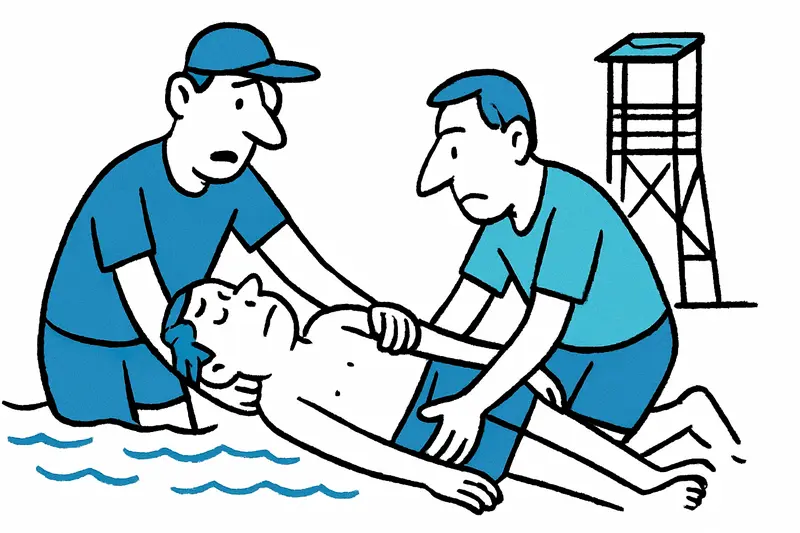
Magaluf: Watchtower Alarm – Lifeguards Pull Unconscious Beachgoer from the Water
After a drama in the late afternoon, two lifeguards at Magaluf beach rescued an unconscious 44-year-old man. He was stab...
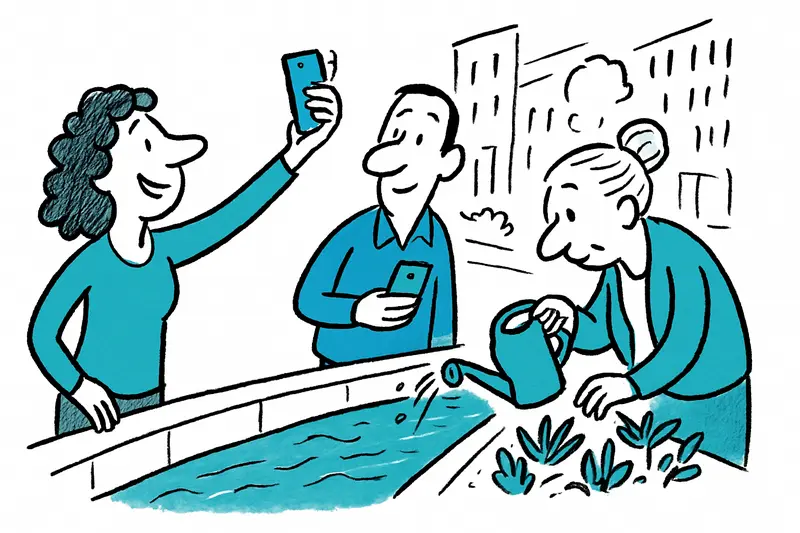
Turquoise in the City: How dangerous is the color play of the Sa Riera?
The Sa Riera in Palma suddenly turned turquoise — a pretty motif, but behind the effect lies a discharge of saline waste...

Jeckliner at Sunnesching: Cologne spirit sets sail from Palma
In September 2027 the Mein Schiff 2 briefly becomes a floating carnival stage: four days with Cologne bands, comedy and ...
More to explore
Discover more interesting content

Can Cap de Bou

Townhouse Lleo 72
