
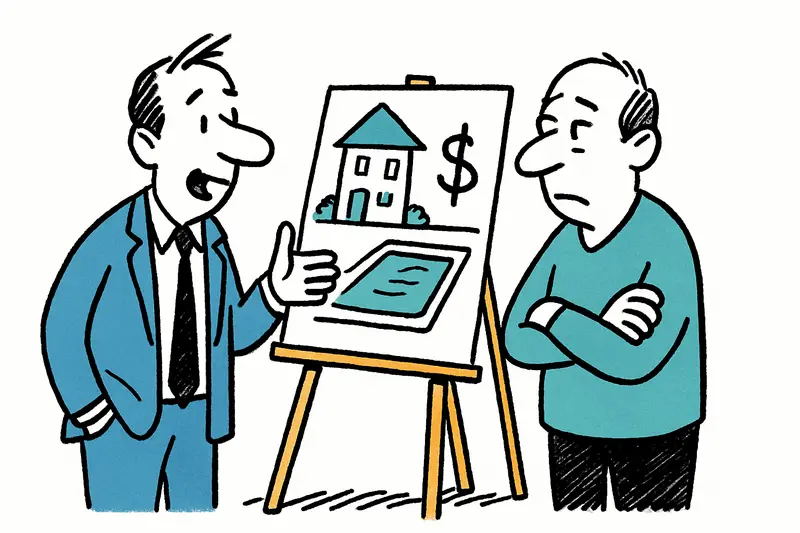
How Much More Expensive Is a House with a Pool in Palma? New Figures and Local Consequences
A pool in Palma often pays off — at least for sellers. New figures show the price premium averages around 55%. We analyze what this means for buyers, landlords and the cityscape with local insights and practical tips.
Pool yes — but at what price? Numbers that make you think
On Passeig Mallorca, between the clatter of espresso cups and the occasional cry of seagulls, real estate is discussed as loudly as at ten o'clock in the Mercat de l’Olivar. A recurring sentence: "With a pool everything costs more." Now the figures show how big the difference really is, as reported in Why a Pool in Palma Suddenly Costs Hundreds of Thousands More — and What That Means for Buyers.
The bare numbers
On Mallorca the average premium for a property with a pool is around 55%. Concretely this means: a typical 80‑square‑meter apartment in Palma that without extras costs about €381,760 (at roughly €4,772/m²) can quickly rise to about €591,734 with a pool. Numbers that make you take a second look at the bar.
Why is the premium so hefty?
It's not just the water. A pool often stands for a wide range of extras: well‑kept communal gardens, security, atmosphere — and the target group willing to pay more. A seller offering a pool attracts buyers with higher budgets. A typical play of supply and demand. Added to this is the scarce space in Palma; plot area is worth its weight in gold, especially under the Mallorcan sun.
The view across the country
Interesting is the comparison with the mainland: nationally the premium is around 91%, in Barcelona even about 163%. Pools are rarer in Palma than elsewhere: only about 23% of listings feature a pool, while the Spanish average is 34%. That makes pools in the city even more desirable — and therefore more expensive. These regional comparisons are also covered in Por qué una piscina en Palma de repente encarece cientos de miles — y qué significa para los compradores.
What is often overlooked
The debate usually focuses on purchase prices. Less attention is paid to ongoing costs and external consequences: water consumption in a region that often suffers drought in summer; rising community fees for cleaning, technology and insurance; and the question of who bears the sometimes considerable maintenance costs when the basin ages. In addition, the pool boom changes rental prices: holiday apartments with a pool generate significantly higher income in the summer months — an effect already felt in Portixol or Cala Major. Local data appear in ¿Cuánto más cara es una casa con piscina en Palma? Nuevos datos muestran la magnitud.
What buyers, landlords and the town hall can do
Five concrete starting points that help more than pretty photos in listings:
1. Demand transparency: Every exposé should state annual costs: water, cleaning, maintenance, insurance and the share of reserves of the homeowners' association (Comunidad).
2. Ask during viewings: When is the pool opened? Who pays for repairs? Are there minutes from the last community meetings? These are questions that provide answers — not just pretty impressions.
3. Consider the environment: see a guide to solar pool heating for reducing heating costs, an overview of saltwater pool systems instead of chlorine (see), rainwater use for maintaining outdoor areas — this reduces operating costs and conserves resources.
4. Check renovation options: An old basin can be expensive. Sometimes it is more economical to plan a smaller, more efficient pool or to implement a communal solution with limited opening times and optimized technology.
5. Municipal steering: The city could promote transparency obligations and incentives for sustainable pool technology. Not to ban pools, but to make them more socially and ecologically acceptable.
Practical tips from a local
If a pool is a must: plan your budget generously. At viewings, ask to see the community meeting minutes, ask the agent exactly who is responsible for repairs and request the water and electricity bills from recent years. In Palma you often pay for the location between the Tramuntana and the sea — but not every pool justifies the premium.
And one small local tip: in the mornings, when sellers are still sipping coffee and heading to the market, negotiations often run calmer than during an evening viewing, when the sun above the cathedral is already low and minds are thinking of the jump into the cool water.
Conclusion
A pool is a strong selling point — and a significant price driver in Palma. The raw percentages show the magnitude; the fine details decide the long‑term sensibility. Those who plan, ask and focus on sustainability can enjoy the benefits without ultimately paying just for the water.
Frequently asked questions
How much more expensive is a house with a pool in Palma?
Why do properties with pools cost so much more in Mallorca?
Is a swimming pool in Palma worth the extra cost for buyers?
What ongoing costs should I expect with a pool property in Mallorca?
Are pool homes in Palma more expensive to rent out in summer?
How common are properties with pools in Palma?
What should I ask before buying a flat with a communal pool in Palma?
Does a pool affect home prices in other Mallorca areas like Portixol or Cala Major?
Similar News

After Being Admitted to Hospital Again: Heinz Hoenig and the Questions We Should Ask in Mallorca
Long-time Mallorca resident Heinz Hoenig was admitted to hospital again. A clear “what next?” is missing from the covera...
Yellow Alert: Is Mallorca Prepared for the Next Rain Band?
Aemet has issued a yellow alert for the south, southwest and the island's interior. Thunderstorms and heavy rain are for...
Kegel brothers trial postponed: Why Mallorca must wait for a verdict
The trial of 13 German holidaymakers will not begin until May 2028. The long wait raises questions — for victims, defend...

Chaos on Palma's Runway: Why the Summer at the Airport Was So Disrupted
This summer laid bare where Palma airport is faltering: only just over half of departures were on time and seven percent...

Cocaine Offer on Ham Street: Why the Open Trade Should Ring Alarm Bells
In the middle of Pare Bartomeu Salvà a tourist was offered a packet of cocaine as part of a sunglasses deal. A short int...
More to explore
Discover more interesting content

Can Cap de Bou

Townhouse Lleo 72
