
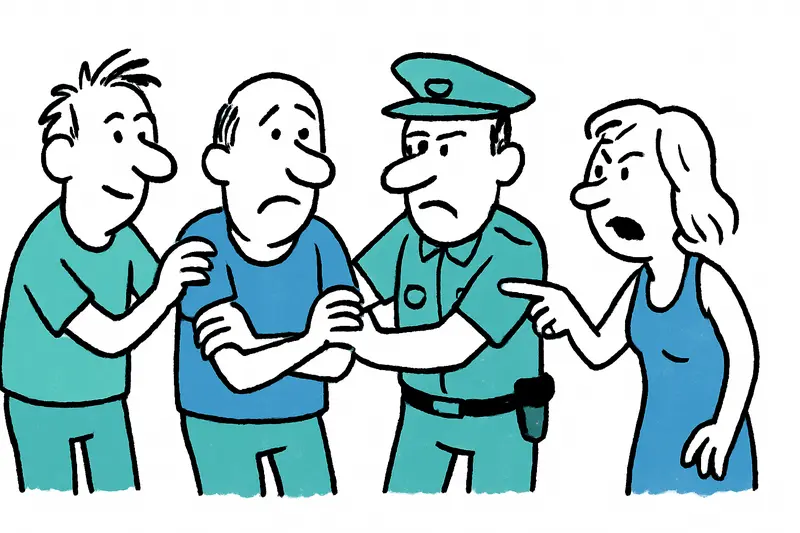
Hugging trick at the Ballermann: Why a single arrest isn't enough
A man was caught in Arenal after tourists reported that expensive phones were stolen from them during a hug. Is this an isolated case or a sign of larger security gaps?
Hugging trick at the Ballermann: Why a single arrest isn't enough
Key question: Is this an isolated offense or a systemic risk for visitors in Arenal?
In the early hours of a May morning, a 30-year-old man was arrested on Missió de San Diego Street in Arenal. According to the police, several high-end mobile phones were found near him that are believed to have been stolen. A German tourist reported that he had lost his smartphone shortly after a friendly hug; other victims reported similar incidents. The sequence — approaching, hugging, and discreetly taking the device — is simple and effective. This is one of several recent arrests reported by local media, including From the Beach to Handcuffs: Mallorca Holiday Ends with Arrest at Düsseldorf Airport.
The scene on site is easy to imagine: it is just after five o'clock, garbage trucks roll down the street, empty plastic cups pile up in the street cafés, and cleaning crews clear the last trash from the Ballermann. A few holidaymakers stagger by, laughing or tired; many keep their phones in back pockets or open shoulder bags. It is precisely in this chaos that pickpockets operate most effectively.
Critical analysis: Why the method stands out and why it works so well. First: physical contact builds trust. A hug as a diversion exploits the expectation that strangers keep their distance, but among revelers boundaries blur. Second: the situational context — crowds, darkness, and intoxication — reduces vigilance. Third: many visitors carry expensive smartphones visibly or in easily accessible pockets. The result is a favorable combination of distraction, opportunity, and poor protection of personal items.
What is often missing in public discussion: concrete, practical measures for tourists and venues. We often hear warnings like "Watch out!" or "Secure valuables!", but those remain vague. Clear rules for venues, concise notices at stops, and a routine information chain from hotels to guests are lacking. There is also little discussion of how victims can get rapid help after a theft: where do I report a missing device, how do I secure photos and contacts, who assists with blocking devices and filing a report?
Another blind spot: the balance between visible law enforcement presence and tourist atmosphere. A strong police presence can deter crime but may change the image of carefree holiday fun and meet resistance. Conversely, occasional patrols are not enough when offenders work in teams and move quickly through the promenade's nooks and crannies. Debate over patrols and atmosphere was examined in Police stop illegal beach parties at Ballermann 6 – a question of balance.
Everyday scene from Mallorca: the morning after the arrest, residents sit in Cala Estancia on the plaza and talk about the unrest over coffee. A waitress at the Bierkönig says guests are unsettled; some immediately put cash and passports in the safe. A retired local watches cleaning staff picking up glass shards from bottles and says small issues must be addressed before they become bigger problems. Residents' concerns echo other local incidents such as Break-in at the Ballermann: Why Flamenc Street no longer feels as safe at night.
Concrete suggestions that can help immediately: tourist-friendly information requirements. Hotels, bars and beach venues could display short notices at check-in or on the door: no valuable devices in back pockets, wear bags with zippers, keep phones on your person. Organizers and club operators should monitor entry more closely and check suspicious groups. Simple hardware aids: offer or sell small carabiners, zipper locks and money belts at kiosks.
Police measures that do more than just increase presence: targeted plainclothes investigation teams at tourist hotspots, better coordination between local patrols and airport or port police, and structured reporting options for victims (digital forms with clear steps to block devices). The evidence — seven phones found near one location — shows offenders act quickly and vanish just as fast. Therefore, video surveillance at critical points, combined foot and bicycle patrols, and improved lighting in side streets are realistic additions.
Also: outreach without causing panic. Short multilingual videos shown at airports or rental car desks are more effective than posters. Tour operators could include preventive advice in travel documents. Local associations and business groups should be held responsible: those who run public spaces should ensure safety and information.
To conclude with a pointed summary: the arrest of a suspected offender is important, but it is no substitute for systematic prevention. If the island continues to rely on tourism-heavy spots, infrastructure must adapt — not only waste collection and toilets, but also safety and rapid assistance for victims. Otherwise a single offender will soon become a series of small gaps that abusers gladly exploit. So anyone in Arenal this summer should pack not only a beach bag but also a bit of vigilance and a lockable pouch.
Frequently asked questions
What is the weather like in Mallorca in winter?
Can you swim in Mallorca in winter?
What should I pack for Mallorca in winter?
Is winter a good time to visit Mallorca?
What can you do in Mallorca during winter?
What is Palma like in winter?
Is Valldemossa worth visiting in winter?
How crowded is Mallorca in winter compared with summer?
Similar News

Rental Car Theft in El Arenal: What This Incident Reveals About Our Gaps
A teenager steals a running rental car in El Arenal, flees on foot, climbs over walls and is caught by the Guardia Civil...

Red Rope in Palma's Library: What Helps Against Selfie Tourism — and What's Missing
Palma's city library cordoned off an area with a red rope to keep selfie tourism away from reading and working activitie...
Fort San Carlos: Museum, Harbor Dispute — and a Conflict That Demands Answers
The military museum at Fort San Carlos sits right on Palma's harbor, with unexpectedly quiet rooms filled with cannons a...
Old Town Under Pressure: When a Doorway Becomes a Sleeping and Shower Place
For months a woman has been living with a parasol, a clothes rack and personal belongings next to the social welfare off...
When Shopping Weighs Heavier: Mallorca Demands a Tax Pause on Food and Fuel
Rising prices are putting pressure on households and agriculture. The Balearic Islands are calling for temporary tax rel...
More to explore
Discover more interesting content

Can Cap de Bou

Townhouse Lleo 72
