
Hurricane-force Gusts and Snowflakes: Storm Warning in Mallorca – What Is Missing Now and How the Island Should Respond
Hurricane-force Gusts and Snowflakes: Storm Warning in Mallorca – What Is Missing Now and How the Island Should Respond
After an unusual winter outbreak Mallorca remains stormy: hurricane-force gusts, closed ports and numerous emergency responses. A guiding question, analysis, missing aspects and concrete proposals for the island.
Hurricane-force Gusts and Snowflakes: Storm Warning in Mallorca – What Is Missing Now and How the Island Should Respond
Guiding question: Are we sufficiently prepared for such weather extremes – or will we again only react afterwards?
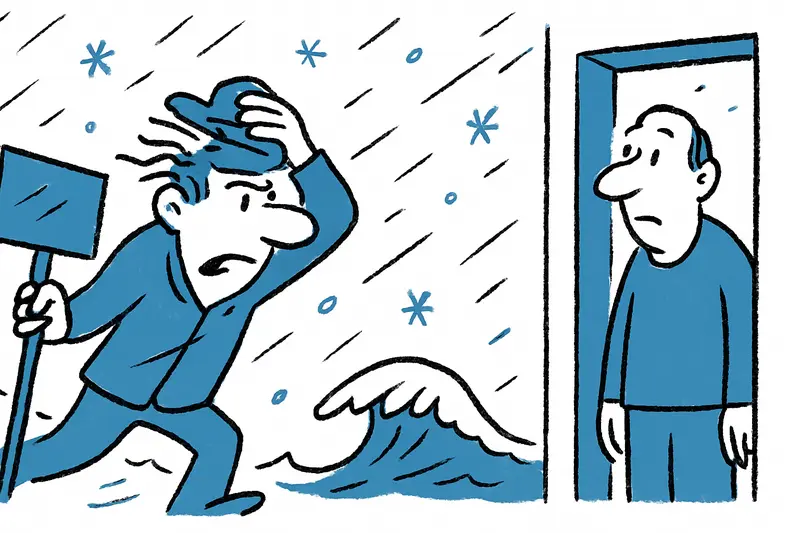
The last day of the weekend felt in Palma like a slow-motion film: people in heavy jackets fighting the wind on Passeig Mallorca, signs rattling on street corners, and the surf hitting the harbor wall unusually loud. Aemet recorded strong gusts in the Balearics and reported exceptional snowfall in the mountains – Palm Sunday brought snow this spring like the island has not seen for a long time, as detailed in Storm, Rain, Maybe Snow: How Well Is Mallorca Prepared for the November Low?.
In short: nature sent the island a reminder that weather can become more extreme. And that raises the question of whether local structures, emergency planning and communication with the public are robust enough.
Analysis: The event exposes several weaknesses. This echoes earlier findings in Storm Alert: Is Mallorca Prepared for the Deluge?. First, the infrastructure around trees and open spaces. Several operations – according to our information around 77 within two days – dealt with fallen trees. Many places, especially in older neighborhoods and along busy roads, have trees planted directly by sidewalks or parking areas. In hurricane-force gusts this quickly becomes a danger to cars, pedestrians and power lines.
Second, port and ferry logistics. Ports were already closed and sailings canceled, a situation covered in First storm warning, then sun: How well is Mallorca prepared for this changeable weather?. That affects commuters, workers and logistics. There is partly a lack of a graduated, transparent system that early on outlines alternative routes, secured berths or emergency plans for freight and passengers.
Third, the public warning and information strategy: Aemet provides the data, but the translation into precise, citizen-understandable guidance remains fragmented. Some municipalities inform intensively, others hardly at all. That creates uncertainty – especially among older residents and tourists who do not follow local news daily.
What is missing in the public discourse: three points are hardly discussed. 1) Responsibility for preventive tree maintenance: who pays for pruning and how are priorities set? 2) The location of parking lots and temporary markets in wind-exposed areas: markets on promenades or stalls in front of schools are particularly vulnerable. 3) The interface plan between ports, shipping companies and emergency services: which harbors are designated as “safe harbors” and how quickly can ferries be redirected?
Everyday view: Morning in Portixol – a café owner who has been serving espresso at the same quay for 25 years brings the outdoor tables inside and says he has not experienced such gusts for years. People are blown through the streets like leaves, children in rain jackets run under their parents' arms. Police patrols are more visible than usual. Such scenes make abstract warning levels tangible: yellow, orange – these are not just colors on a map, they mean cleared streets, cordoned-off beaches and closed mooring spaces for boats.
Concrete measures, immediately implementable:
1) Priority tree-maintenance map: Municipalities should publish maps of particularly vulnerable tree locations. Criteria: proximity to parking lots, schoolyards, main roads. With a graduated plan, public funds could be targeted effectively.
2) Unified warning cascade: Aemet warnings must be translated into a graduated, easy-to-understand traffic-light system for residents, tourism businesses and port operators. Short SMS or WhatsApp alerts for registered numbers could reach older people and companies faster.
3) Port emergency concept: Designation of so-called “safe harbors” with technical checklists (moorings, cargo spaces, evacuation routes). Shipping companies should have pre-coordinated diversion agreements to minimize supply bottlenecks.
4) Temporary traffic and market regulation: Markets and leisure offerings in highly exposed coastal zones must be reviewed at yellow warning level and relocated in advance at orange. Responsibility: municipal councils in coordination with police and chambers of commerce.
5) Awareness campaign: Before the season, provide a checklist available in Mallorcan, Spanish and English: emergency kit, safe parking, behavior in case of port warnings.
Funding proposal: A portion of the tourism levy could be earmarked for resilience measures – tree maintenance, emergency infrastructure, information systems. It is an investment that pays off: fewer damage cases, fewer operations, shorter downtimes for ports and businesses.
Punchy conclusion: Storms like the recent ones are no longer a one-off spectacle, they are part of the weather pattern. Mallorca is neither powerless nor inexperienced – the island has functioning emergency services and a reliable weather service. What is missing is planning with a focus on prevention: clear responsibilities, fast communication and visible precautions in the municipalities. If we take these steps now, we can avoid the next exceptional day ending again in chaotic cleanup.
One last local tip: those seeking shelter from the wind should head for the narrow streets of Santa Catalina or cafés away from the promenade. And if you own a boat: check your moorings now and speak with harbor staff – the next gust arrives sooner than you think.
Frequently asked questions
How should you prepare for strong wind warnings in Mallorca?
Can it snow in Mallorca in spring?
What should I do if there is a storm warning in Mallorca and I have a boat?
Are ferries and ports in Mallorca often affected by stormy weather?
Where in Palma can you get shelter from strong wind?
What areas in Mallorca are most dangerous during hurricane-force gusts?
How are Mallorca municipalities supposed to warn people about severe weather?
Why are trees such a concern during storms in Mallorca?
Similar News

Rental Car Theft in El Arenal: What This Incident Reveals About Our Gaps
A teenager steals a running rental car in El Arenal, flees on foot, climbs over walls and is caught by the Guardia Civil...
Red Rope in Palma's Library: What Helps Against Selfie Tourism — and What's Missing
Palma's city library cordoned off an area with a red rope to keep selfie tourism away from reading and working activitie...
Fort San Carlos: Museum, Harbor Dispute — and a Conflict That Demands Answers
The military museum at Fort San Carlos sits right on Palma's harbor, with unexpectedly quiet rooms filled with cannons a...
Old Town Under Pressure: When a Doorway Becomes a Sleeping and Shower Place
For months a woman has been living with a parasol, a clothes rack and personal belongings next to the social welfare off...
When Shopping Weighs Heavier: Mallorca Demands a Tax Pause on Food and Fuel
Rising prices are putting pressure on households and agriculture. The Balearic Islands are calling for temporary tax rel...
More to explore
Discover more interesting content

Can Cap de Bou

Townhouse Lleo 72
