
Heavy Downpour on Ibiza – Floodwaters, Damage and the Question of Preparedness
A thunderstorm downpour of up to 200 liters per square meter flooded Ibiza Town: streets turned into rivers, basements filled, schools closed. The open question is whether islands like Ibiza and Mallorca are learning enough from such events.
Powerful rain turns Ibiza Town into a scene of vulnerability
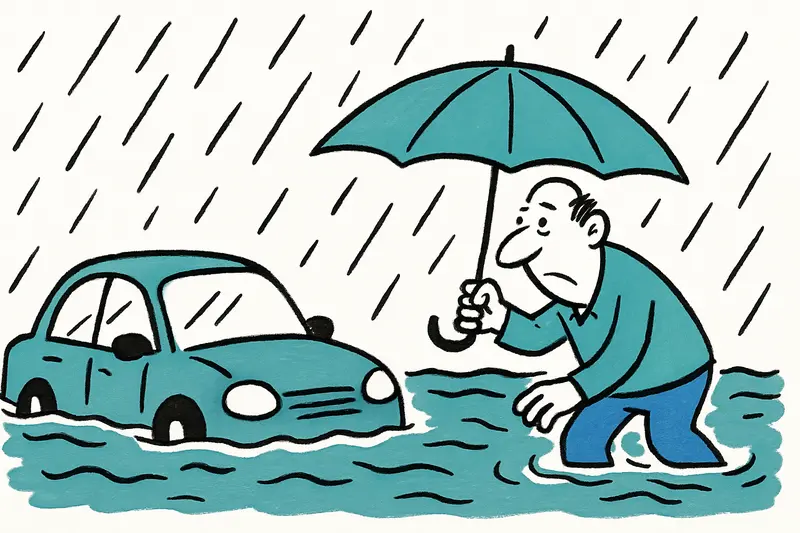
Last night a storm struck Ibiza that is rarely seen here: within a few hours some locations recorded up to 200 liters per square meter. Images from the old town and harbor areas show alleys with water flowing along the stones, garage doors forced open by the pressure of the water, and cars half-submerged. In a side street near Vara de Rey a small supermarket was flooded up to the checkout counter – the owner said she had not seen anything like it in the last ten years. Further reporting documented the scale and immediate impacts of the event in After the Cloudburst: Ibiza Between Puddles, Mudslides and the Question of What's Next.
Emergency mode, UME deployed – but is that enough?
The highest warning level was issued and alerts flashed across many phones. The national Military Emergency Unit (UME) was called in and sent hundreds of personnel to the island; municipal teams worked around the clock. Pumps are running, people are being evacuated, schools remained closed and bus services were limited. All of this appears swift and necessary – yet the key question remains: are the island villages and towns systemically prepared for such extreme events, or are we still mostly reacting in emergency mode? The breadth of the immediate emergency response was described in detail in Red Alert on Ibiza: What the Island Must Learn Now.
The rapid responses demonstrate professionalism, but they obscure a larger problem: if underground garages, businesses and basements regularly fill with water, then acute aid is not the only need — planning is required to permanently minimize these damages.
What is often missing in the public debate
First: urban planning in recent decades has often placed low-lying traffic arteries and commercial zones in locations that now act as natural channels for water. Second: sewer and stormwater systems are frequently designed for average heavy-rain events, not for 200-l/m² bursts. Third: the consequences for groundwater and sewage systems — contamination risks, later mold problems in apartments — are rarely linked to concrete, quantifiable measures.
The role of tourism is also underappreciated: seafront promenades, underground garages under hotels and seasonally busy commercial areas intensify local vulnerabilities. And yes, neighborhood tips — photos for insurers, old towels, tarps — are helpful, but they do not replace long-term adaptation.
Concrete approaches and opportunities
Instead of merely waiting for the next wave of deployments, we should act proactively. Concrete measures would include:
1. Prioritized reassessment of drainage infrastructure: pipe diameters, retention basins at strategic points and increased pumping capacity.
2. Greener urban landscapes for more infiltration: planting islands, permeable paving and small retention areas in parking lots to reduce surface runoff.
3. Building code and permit reviews: no new commercial areas in known runoff corridors; underground garages only with mandatory protective measures.
4. Transparent insurance and compensation pathways for small businesses: rapid assistance for shop owners who today fight wet inventory with towels and buckets.
5. Local resilience teams and neighborhood networks: training, material depots (tarps, sandbags) and clearly communicated evacuation routes.
What matters in the coming days
Cleanup efforts continue and bridges and roads are being inspected. Meteorologists do not see an immediate repeat of the same intensity, but local showers remain possible — so drive with caution. For residents: document damages, remove electronic devices from basements, be careful with water during power outages, and reduce mold risk by drying premises as quickly as possible.
One last neighborhood tip: in times of extreme weather small, pragmatic supplies — old towels, a few sturdy buckets and a roll of plastic sheeting — are often the first helpers until pumps and professionals arrive.
The storm exposed a weakness that does not only concern Ibiza: Mallorca too will face heavy showers more often in the future. The question is not whether it will happen again, but whether we will now learn and redesign our coastal towns so they suffer less next time, as urged after similar events in After Heavy Rain in Ibiza: Mayor Calls for Disaster Status.
Frequently asked questions
How should people in Mallorca prepare for heavy rain and sudden flooding?
What should you do if your basement or garage floods in Mallorca?
When is heavy rain in Mallorca most likely to cause flooding?
What should tourists in Mallorca do during a sudden flood alert?
Are underground garages in Mallorca especially vulnerable to flooding?
Which parts of Mallorca are most exposed to rainwater runoff?
How can Mallorca reduce flood damage in towns and coastal areas?
What are the first signs of mold after flooding in a Mallorca home?
Similar News
First Day, First Consequences: What Palma's Rent Freeze Really Means
A new decree stops a planned eviction in Palma — but what really changes for tenants and landlords? A reality check with...

When Housing Becomes a Matter of Survival: Mallorca Between Rental Frenzy and Everyday Life
The case of 87-year-old Maricarmen showed that on Mallorca many people's lives are poised between affordable and uninhab...
Autumn in Mallorca: When Melancholy Gets a Window
Why autumn quietly tightens here — and how to make use of the mood: walks, culture, candles and the light from Palma to ...

Near-miss on Lanzarote: Landing Ryanair Jet and Iberia Takeoff — what really went wrong
On Lanzarote there was a dangerous incident: A Ryanair flight (FR5910) from Dublin landed on runway 03 while an Iberia E...

Eurowings introduces new Premium Business seats on Mallorca routes
From December 1, selected Eurowings flights to Palma and other destinations will feature eight particularly generous sea...
More to explore
Discover more interesting content

Can Cap de Bou

Townhouse Lleo 72
