
After the Cloudburst: Ibiza Between Puddles, Mudslides and the Question of What's Next
An extreme storm plunged Ibiza into serious trouble overnight. Between emergency measures and improvised clean-up, the question arises: Is the island prepared for such heavy-rain events?
After the cloudburst: streets like riverbeds, old town full of mud
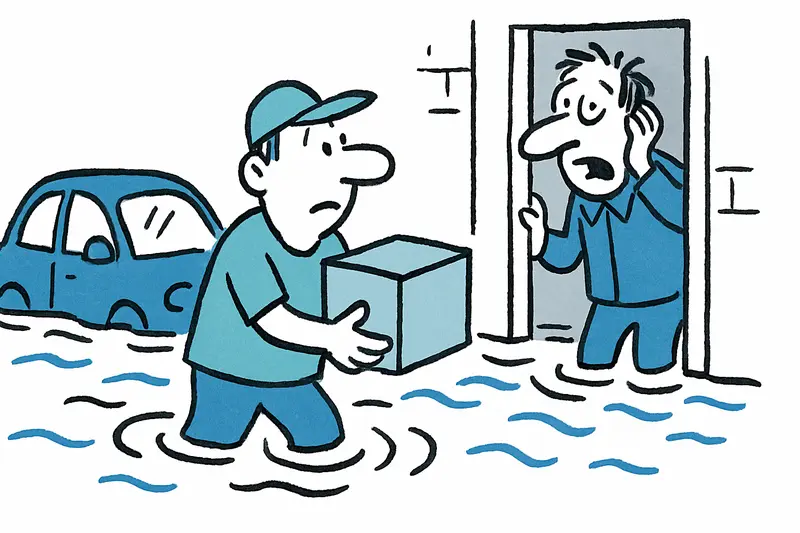
The rain did not come slowly last night; it hit the island like a wall. In some places around 200 liters per square meter fell within two hours, as noted in Heavy Downpour on Ibiza – Floodwaters, Damage and the Question of Preparedness – enough for streets in Ibiza Town and around Playa d'en Bossa to be underwater within minutes. Those who strolled through Dalt Vila this morning could still smell the wet asphalt, see damp footprints on the cobblestones and boxes being pulled out of flooded shops.
Cars stood in puddles up to their bumpers, garage doors were caked with mud and in some ground-floor apartments water had seeped into cupboards and sofas. Figueretes, the marina and access roads to the port: everywhere the same scene of improvised sandbag barriers and people sweeping away the muck.
Red alert, UME deployed – and many unanswered questions
Authorities switched to the highest warning level, a situation detailed in Red Alert on Ibiza: What the Island Must Learn Now. Alerts on phones, announcements urging people to close doors and avoid vulnerable roads. The UME, the military emergency unit, arrived with pumps and crew vehicles. No fatalities have been reported so far, but the situation remains tense: blocked roads, contaminated drinking water in some places and damage to underground garages.
Schools were closed today, bus services ran reduced schedules and the clean-up continued through the night. While bright floodlights recovered cars and oil traces were collected, shop owners began clearing wet shelves. In one corner a café served the first espresso of the day outside — with wet chairs and makeshift drip trays. Typical island life, with a touch of defiance.
The central question: Was this just bad luck — or a systemic failure?
Storms like these are no longer random. The key question is: Was Ibiza prepared for this scenario? In the short term, crisis management worked: warnings, rapid assistance, pumps. But big gaps remain in the debate. Drainage networks that become overwhelmed in hours; insufficiently sized gutters; sealed developments that cannot absorb water; and underground garages that were not planned for such extreme events.
Less visible but worrying: the risk of contamination. Oil stains, stirred-up road material and polluted sewers can affect soils and groundwater — an issue that often only appears in long-term measurements. And then there is the insurance question: what damage do policies written years ago for a different climate actually cover?
What is often missing from the public debate
First: people’s everyday lives. Elderly neighbors, single-parent families and small shop owners face a mountain of problems that go beyond the immediate puddles. The psychological strain, the financial cost of repairs, the potential loss of income — these are factors that cannot be solved with sandbags.
Second: infrastructure maintenance. Many drains clog due to a lack of regular cleaning; natural retention areas have been built over in recent decades. The third problem is communication: warning apps and sirens helped, but information gaps remained. Not everyone received the message, not everyone knew where to put wet electronics or how to register insurance claims.
Concrete opportunities and solutions for the island
Something can be made of the crisis if there is the will. In the short term, regular large-scale cleaning of drainage networks, clearer parking bans in low-lying areas during storm warnings and visible collection points for damaged goods make sense. Public information leaflets and neighborhood helpers could quickly assist, especially elderly residents.
In the medium term, green infrastructure is needed: infiltration areas, rainwater retention basins and more greenery in residential areas to reduce surface runoff. For new buildings, drainage requirements should be tightened; underground garages should be built higher or equipped with emergency pumps. Coordination between municipalities, emergency services and the tourism sector must also be improved — ferries, hotels and landlords need to be integrated into alarm plans.
In the long term, there is no way around a climate-resilient island concept: realistic risk analyses, investment in rainwater management and public awareness that such extreme events are becoming more frequent. It costs money, but it costs even more if damage becomes the norm, as follow-up reporting outlines in After Heavy Rain in Ibiza: Mayor Calls for Disaster Status.
What you can do now
If you are currently on Ibiza: avoid flooded roads, do not park in low garages and follow official warning channels. Keep an eye on neighbors in need and report damage through the designated channels instead of blocking emergency routes.
The night has shown how vulnerable the island is — and how quickly people come together. The task for the coming months: build solutions out of solidarity and lessons learned so that the next cloudburst does not leave the same chaos behind.
Frequently asked questions
What should I do if I’m in Ibiza during heavy rain and flooding?
How dangerous is flooding in Ibiza Town after a cloudburst?
Are buses and schools affected when Ibiza gets hit by severe rain?
Can flooding damage underground garages and ground-floor homes in Ibiza?
What caused the flooding in Ibiza after the cloudburst?
Is the water safe to drink after flooding in Ibiza?
What is the UME and why was it sent to Ibiza?
What can Ibiza learn from this kind of flooding?
Similar News

Control with a Mask in Santanyí: Protest, Culture or Administrative Offense?
In Santanyí the local police escorted a traditionally masked activist away. Was it an identity check, an administrative ...
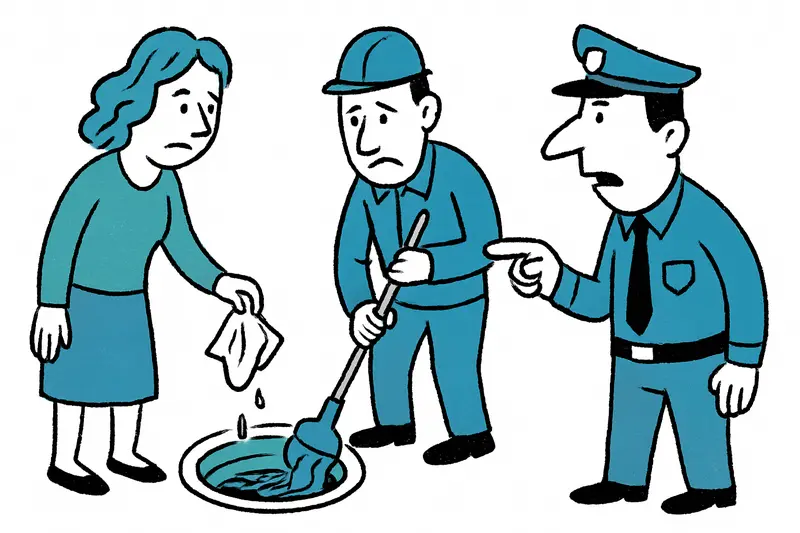
Up to €9,000 Fine in Inca: Why Wet Wipes Can Blow Up the Sewers — and What We Should Really Do
The municipality of Inca warns of blockages caused by wet wipes — fines of €300 to €9,000 are possible. A reality check:...

World Cup Trophy in Palma: Two Days Up Close
The World Cup trophy is coming to Palma at the end of October: two days on display at City Hall, and on 31 October photo...

End of October: Can you still swim in the sea in Mallorca?
The late-autumn sun still warms the air and the sea has retained its summer heat—many people don't pack away their swimw...
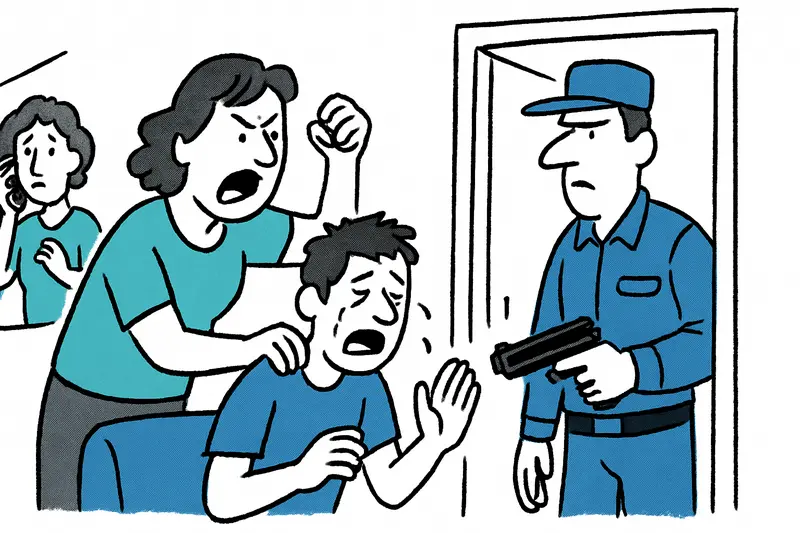
Years of abuse in Costa de la Calma – Neighbor calls Guardia Civil
In a villa in Costa de la Calma a neighbor alerted the Guardia Civil: a 19-year-old woman reported years of violence by ...
More to explore
Discover more interesting content

Can Cap de Bou

Townhouse Lleo 72
