

Inca in Toilet Stress: Why Wet Wipes Are Crippling the Sewer System — and What Needs to Happen Now
The city of Inca warns: wet wipes are clogging almost all wastewater pipes. A guide to why this happens, what's missing from the discussion, and how citizens and authorities can practically tackle the problem.
Inca in Toilet Stress: Why Wet Wipes Are Crippling the Sewer System — and What Needs to Happen Now
The municipal administration of Inca recently posted an image of a clogged sewage channel on its social channels and urged residents: don't throw wet wipes into the toilet. That sounds trivial, but it isn't. In practice, wipes accumulate in pipes and pumping stations, causing backflow, flooding in basements and expensive specialist cleanings. The municipality also reminds that a local ordinance bans flushing waste and imposes fines between €300 and €9,000. Even wet wipes marketed as “biodegradable” are not suitable for the toilet.
Key question
How did it come to this — that disposable products in paper packaging regularly paralyze entire streets — and why does the debate remain so superficial?
Critical assessment
The short answer: it's a mix of misunderstandings, perverse incentives and infrastructure pushed to its limits (Burst Pipe in Palma's Old Town: Carrer Oms Underwater — A Wake-up Call for Deteriorating Pipes). Many people believe a product labeled "flushable" or presented as biodegradable will dissolve in the pipe like toilet paper. That's not true. Wet wipes don't tear as easily, they mat together and form thick mats with grease and other waste. In older parts of Inca, in the narrow residential blocks around the market halls, there are many sanitary pipes that are not built to cope with large amounts of foreign material or repeated stress (More than seven days without water: Inca families demand answers from Ibavi). And: when the janitor only calls after water is standing on the ground floor, the costs have long been high.
What's missing in the public debate
We hear warnings and appeals — that's not enough. Three points are often missing: 1) The role of manufacturers and their labeling. If products with misleading claims sit on supermarket shelves, false confidence easily develops. 2) Concrete numbers: how often and where do blockages actually occur? Municipalities rarely publish this systematically, so the problem remains abstract for many (Binissalem Suffocates in Waste: Who Cleans Up - and Who Pays?). 3) Tourist seasonality: Inca is not the tourist hotspot Palma, but holiday apartments, short-term guests and seasonal workers change wastewater usage — people unfamiliar with the system are more likely to flush things down the toilet.
Everyday scene from Inca
Early in the morning on Plaça d'Espanya it smells of coffee and oven-fresh ensaimada. Delivery vans maneuver, the voices of the market traders echo between the old houses. Between stalls and mopeds: municipal workers in orange vests fiddling with a manhole cover. They know the pattern: one stop further a mat of wipes has caused another backup. It's an invisible everyday construction site nobody really wants — until the shower won't drain or the basement stinks.
Concrete solutions
The good news: many measures are pragmatic and affordable. In the short term, targeted information campaigns help — not only digitally, but notes in stairwells, reminders on tenancy forms and small stickers next to public toilets. The city can also identify hotspots and schedule more frequent cleanings and install fine screens in pump stations there. Mid-term measures needed are clear rules for retailers: packaging must not carry misleading terms (Costa Canyamel: 22 Years of Official Inaction — Who Bears the Responsibility?). A municipal reporting platform for blockages, linked to transparent data, creates pressure and allows priorities to be set. And: in large row houses, owner associations should consider simple measures such as separate waste bins in shared toilets.
Who pays — and how to enforce it?
The city has provided for fines; that is one of the few sharp instruments. But penalties alone won't solve the problem. A combination is more sensible: education, incentive systems (e.g. discounted bags for organic waste) and targeted inspections. If a household repeatedly clogs the pipes, the administration should make clear that repair costs can be apportioned — that is more likely to change behavior than abstract fines.
Conclusion — short and clear
The "toilet alarm" in Inca is not a local event but a reflection of how consumption, marketing and infrastructure interact. Those who now respond only with bans miss the causes. Those who only inform underestimate the effort. A mix of clear product labeling, practical neighborhood work, technical upgrades at pumping stations and understandable communication could keep the bill and the smell out of basements. In the end, it's small actions from all of us — one wipe in the bin instead of the toilet — that make the difference.
Frequently asked questions
What’s the best time of year to visit Mallorca for warm weather and swimming?
What should I pack for a trip to Mallorca?
Are there good beaches for swimming in Mallorca?
Which town in Mallorca is a good base for exploring the island?
How should I get around Mallorca: driving or public transport?
What activities besides beach visits are popular in Mallorca?
What should I know about swimming safety on Mallorca's beaches?
What is the weather typically like in Palma across the seasons?
Similar News
Serious Fall at the Son Ferriol Roundabout: Who Protects Us from Gaps in Road Design?
A 77-year-old driver fell early Saturday morning with his car from the upper section of a roundabout in Son Ferriol. The...

Control with a Mask in Santanyí: Protest, Culture or Administrative Offense?
In Santanyí the local police escorted a traditionally masked activist away. Was it an identity check, an administrative ...
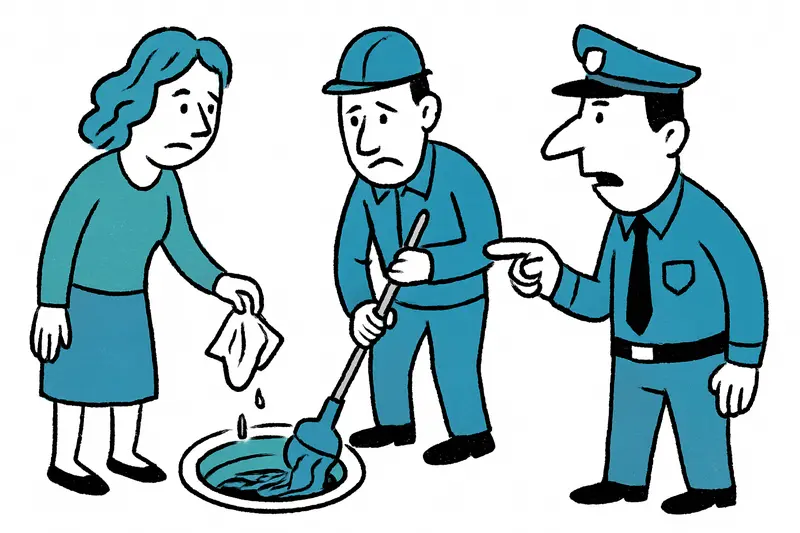
Up to €9,000 Fine in Inca: Why Wet Wipes Can Blow Up the Sewers — and What We Should Really Do
The municipality of Inca warns of blockages caused by wet wipes — fines of €300 to €9,000 are possible. A reality check:...

World Cup Trophy in Palma: Two Days Up Close
The World Cup trophy is coming to Palma at the end of October: two days on display at City Hall, and on 31 October photo...

End of October: Can you still swim in the sea in Mallorca?
The late-autumn sun still warms the air and the sea has retained its summer heat—many people don't pack away their swimw...
More to explore
Discover more interesting content

Can Cap de Bou

Townhouse Lleo 72
