
Burst Pipe in Palma's Old Town: Carrer Oms Underwater — A Wake-up Call for Deteriorating Pipes
A burst pipe turned the morning calm on Carrer Oms into a pool of water. More than an isolated incident: the event raises questions about ageing infrastructure and crisis communication in Palma.
Burst pipe in Palma's old town: Carrer Oms submerged — a warning signal for the city
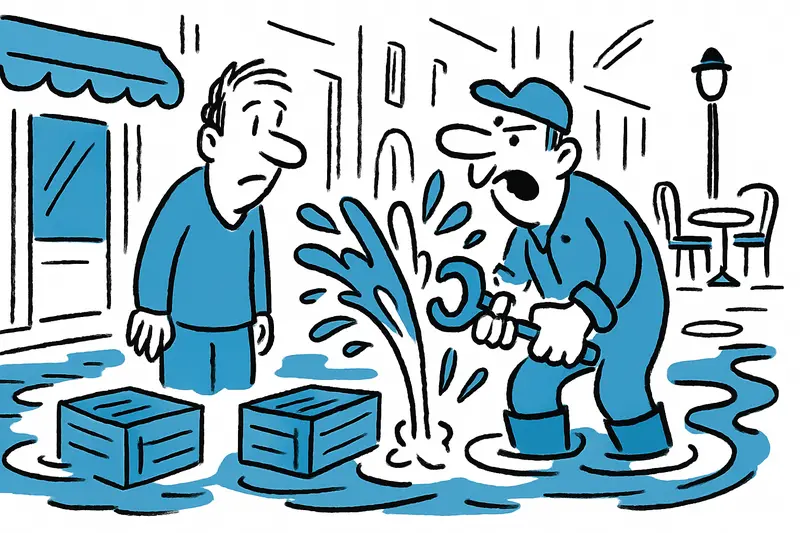
Around 05:30 a deep rumble tore the old town out of its morning quiet. Seconds later water shot from the asphalt of Carrer Oms like a spring, delivery crates floated, cups clattered in empty street cafés, and lampposts cast long shadows over the growing puddles. The cobblestones lifted in two places, stones and gravel lay scattered — a scene that alarmed many residents.
What was visible this morning
Shops closed abruptly, bakers stopped ovens because cold water flowed back through the pipes, and some households were briefly without supply. Police, city cleaning crews and water utility staff cordoned off the street, lit the incident site and redirected pedestrians and deliveries. Anyone heading to the Plaça had to improvise; tourists stopped, watched and took photos — the typical early-morning spectacle in Palma's stone-paved centre.
The central question: an isolated case — or a symptom?
Technicians on site cited material fatigue as the initial diagnosis. That is of little comfort when one considers that Palma's underground is a network built up over centuries: clay, metal, and various repair phases — all layered on top of each other. The key question is therefore clearer: are critical sections being checked systematically, or are repairs made only when problems are visible and urgent? In a city defined by narrow lanes and heavy pedestrian traffic, the answer is anything but academic. Debate on network renewal has been growing; see Emaya wants to renew Palma's pipeline network faster – Between promises and construction reality.
What is often missing from the public debate
Reporting understandably focuses on the acute scene: wet shop windows, spoiled goods, detours. But deeper issues get too little attention. Who decides priorities in the network — the tourist route to the Plaça or residential streets with older inhabitants? Are outage times communicated transparently, along with budgets for renewal and reserves for emergencies? And not least: how are small businesses compensated when a morning's revenue is lost due to a burst pipe?
Concrete problems on site
Traders reported perishable goods spoiled. A baker on the corner spoke of stopped ovens and several hundred euros in losses that morning. Technicians set up provisional barriers, hauled pipes and equipment through the alley, and one mechanic first estimated "a few hours," but quickly added: "If it's deeper, it'll be days." This uncertainty is stressful for residents, business owners and tourism operators alike.
Gaps you rarely see
Beneath the paving stones lies a promise to the city: reliability. Yet many sections have grown historically without a central digital overview. Old pipe materials, shifting responsibilities between the city, municipality and water company — this creates a mix of risks that becomes visible in a single incident but often lies dormant and unnoticed. Similar infrastructure failures prompted attention in other heritage contexts, for example Collapse at Palma's City Wall: What Needs to Happen Now.
Practical and feasible solutions
The incident is an annoyance, but also an opportunity to think more systematically. Possible steps:
1. Digital pipe register: A central directory with age, material, last inspections and responsible parties. Such a register would operate like a Geographic information system for infrastructure.
2. Preventive sensors: Pressure and moisture sensors in sensitive old-town areas could react early, before a drip becomes a fountain; see technologies for Leak detection.
3. Emergency logistics: Mobile water points, backup supply lines and prioritized supply lists for businesses like bakeries and restaurants.
4. Financial aid: A small fund for small businesses that quickly cushions losses — not a bureaucratic application jungle, but fast assistance.
5. Better communication: Real-time information via city channels, clearly marked detours on site and transparent updates on repair status and water quality.
The role of the neighbourhood
What was striking was the display of solidarity: residents with canisters, cafés handing out water bottles to staff — small gestures that ease daily life. Such local networks are valuable, but they must not replace structural solutions. They are first aid, not the permanent answer to a decaying network.
What you should do now
If possible: avoid Carrer Oms and plan detours. Follow the instructions of emergency services and check by phone whether your destination is open before visiting. Affected households: take photos, document damage and contact the city's hotline. For business owners: document spoiled goods promptly so that claims can be made.
This burst pipe is more than a local annoyance — it is a wake-up call. Palma's charm thrives on narrow lanes and old stones, but the infrastructure beneath must keep pace. We will continue to follow the story and report as soon as reliable information on repair duration, cause and prevention measures is available. For background reporting see Pipe burst in Calle Olmos: a warning sign for Palma's aging infrastructure. Until then: keep your eyes open, take detours — and perhaps enjoy an espresso on a dry side street while the spotlights still rattle.
Frequently asked questions
Why do burst water pipes happen so often in Palma's old town?
What should I do if a street in Palma is flooded by a burst pipe?
How long can repairs after a burst pipe in Palma take?
Can businesses in Palma claim losses after a burst pipe?
Is Carrer Oms in Palma open after the burst pipe?
Why does Palma need to renew its water pipes faster?
What can residents do during a burst pipe outage in Palma?
How can Palma prevent burst pipes in the old town?
Similar News
Masked Images, Real Panic: When Social Media Aesthetics Alarm Neighbors
Five German content creators filmed on a recently vacated detention site using deceptively realistic props. The result: ...
Why the Striped Breams in Cala Pí Should Be a Wake-up Call
Once again bathers in Cala Pí were surrounded while swimming by small, nippy fish — some wounds bled. Time for clear rul...
Daily from New York: How Palma's Air Traffic Is Growing — and What Must Change
United will increase the Newark–Palma service to daily flights in 2027 (Boeing, 231 seats). Strong tourist numbers clash...
When Love Ends in Shards: Destruction in Son Vida and the Questions That Remain
In Son Vida a relationship dispute escalated: a woman destroyed furniture in a luxury villa, later pressed a panic butto...
Who Bears the Burden? Mallorca Between Tenant Protection and Landlord Fears
Madrid's new housing decrees strengthen tenant rights — but on Mallorca concern is growing: will the law drive small lan...
More to explore
Discover more interesting content

Can Cap de Bou

Townhouse Lleo 72
