
Pipe burst in Calle Olmos: a warning sign for Palma's aging infrastructure
A massive pipe burst flooded Calle Olmos. Beyond water and repair noise, the question remains: Is this an isolated incident or a symptom of Palma's deteriorating pipe network?
Pipe burst in Calle Olmos — a morning that echoes on
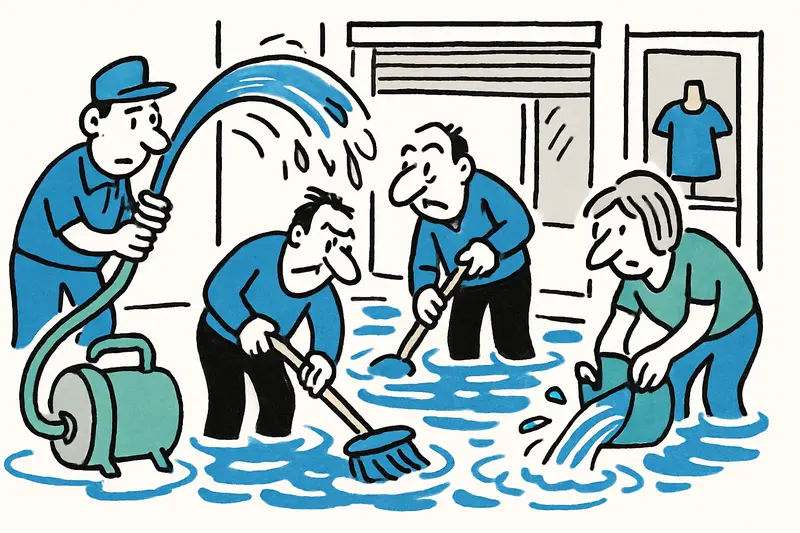
Early in the morning Calle Olmos was under water. I was there around eight o'clock: the sharp smell of wet concrete, the rattle of pumps and the soft patter of drops on the steps of a half-open café. Water ran from shop windows, shopkeepers pushed mops and buckets, and Emaya technicians with oily hands coordinated the first measures. The usual hustle of the shopping street had turned into a construction site. The incident was also reported elsewhere as Burst Pipe in Palma's Old Town: Carrer Oms Underwater — A Wake-up Call for Deteriorating Pipes.
What happened on site — quick aid, visible damage
Emaya and the local police responded quickly. Pumps, hoses and excavators were deployed, pedestrian zones were cordoned off and several shops remained closed. In some buildings the water was turned off as a precaution. Cracks and heaved paving slabs are visible on the pavement — this is clearly about more than just a flooded curb.
The key question: coincidence or symptom?
The central question for residents and business owners is: why did the pipe burst? Emaya has announced an analysis; wear or a sudden overload are being cited as possible causes, and Emaya wants to renew Palma's pipeline network faster – Between promises and construction reality. But for many neighbors it smells like more: aging pipes, problems with the substructure, a network that in parts has been in the ground for decades and is suffering under the growing pressure of the city.
Often overlooked is the frequency and quality of inspections. How regularly are pipes checked for corrosion, material fatigue or settling? Which parts of the network are on the priority list? Without transparent answers the public remains in the dark — and the fear of the next failure grows.
Concrete consequences for residents and shop owners
The effects were immediately noticeable: deliveries were cancelled, customers avoided the street, displays were hastily moved to dry places. A saleswoman sorted through wet books, a florist complained about perishable goods. Such losses add up, especially in economically important months. Insurance questions raise further uncertainty: who bears the costs if the cause lies in a municipal pipe?
There are also safety issues: heaved paving endangers pedestrians and delivery vehicles, continuous noise and construction activity strain residents' nerves. For some this is not a one-off nuisance but a recurring burden.
Aspects that are often overlooked
Public debate often lacks the temporal perspective: replacement programs and inspection cycles are matters of cost and personnel. Does Emaya have enough staff and budget to act preventively? Are data from previous repairs systematically evaluated to identify weak points? Such organizational questions decide whether repairs remain quick fixes or form part of a sustainable strategy.
Economic side effects are little discussed too: failures on central shopping streets reduce the neighborhood's attractiveness, harm small businesses and can indirectly affect tourist evaluations. Water loss is also an environmental problem that weighs more heavily during drier summers.
What should be done now — concrete proposals
Repairing is essential, but not enough. In the short term there must be transparency: a quick, public assessment of the cause and a binding repair schedule so that business owners can plan. An accelerated compensation procedure or an emergency fund for directly affected people would help cushion economic hardship. Temporary delivery zones should also be set up and safe pedestrian detours clearly marked.
In the long term technical measures are necessary: targeted inspections of old pipe sections, prioritizing renewals in high-traffic neighborhoods and the use of smart sensors to detect pressure drops early. A publicly accessible GIS documenting pipe sections would create transparency. Last but not least, the street substructure must be renewed — merely replacing pipes without stabilizing the ground risks further heaving of the paving.
Neighborhood strengths versus state responsibility
Neighborhood help quickly showed its strength in Calle Olmos. A baker lent a wheelbarrow, shopkeepers coordinated dryers. Such gestures are important and offer short-term comfort. But they must not replace the structural responsibility of the city administration and the utility. Prevention costs money — but it saves far more in the long run in repair costs, business losses and frustration.
For residents the current advice is: document the damage, do not use electrical appliances in flooded rooms and follow the authorities' instructions. Expect pressure fluctuations after service is restored and plan extra time for trips to the center.
Conclusion: Repairing is not enough — planning and transparency are required
Calle Olmos is a symbol of how quickly everyday life can be disrupted by technical failures. The acute disruption has largely been resolved, but the deeper questions remain open: was this pipe an unfortunate accident or a warning sign of systemic problems? Now the city and Emaya are called upon — with open timelines, clear communication and sustainable investments. Until then those affected must accept detours, keep calm and rely on neighborhood solidarity — typical for this corner of Palma: first the water runs, then the help comes.
Frequently asked questions
Why do old water pipes burst in Palma so often?
What should residents do when a pipe burst floods a street in Mallorca?
Can a burst water pipe in Palma force shops to close?
How does Palma handle a burst pipe on a busy street?
Is Calle Olmos in Palma safe to walk through after a pipe burst?
Who pays for damage after a burst pipe in Palma?
Why is ageing infrastructure a concern in central Palma?
What can be done to prevent future pipe bursts in Mallorca?
Similar News
Masked Images, Real Panic: When Social Media Aesthetics Alarm Neighbors
Five German content creators filmed on a recently vacated detention site using deceptively realistic props. The result: ...
Why the Striped Breams in Cala Pí Should Be a Wake-up Call
Once again bathers in Cala Pí were surrounded while swimming by small, nippy fish — some wounds bled. Time for clear rul...
Daily from New York: How Palma's Air Traffic Is Growing — and What Must Change
United will increase the Newark–Palma service to daily flights in 2027 (Boeing, 231 seats). Strong tourist numbers clash...
When Love Ends in Shards: Destruction in Son Vida and the Questions That Remain
In Son Vida a relationship dispute escalated: a woman destroyed furniture in a luxury villa, later pressed a panic butto...
Who Bears the Burden? Mallorca Between Tenant Protection and Landlord Fears
Madrid's new housing decrees strengthen tenant rights — but on Mallorca concern is growing: will the law drive small lan...
More to explore
Discover more interesting content

Can Cap de Bou

Townhouse Lleo 72
