
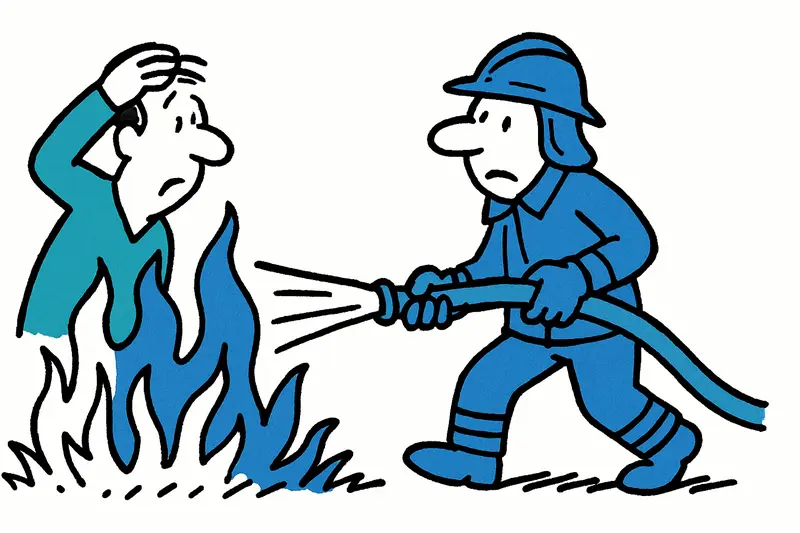
Field fire near Manacor: What the operation on the Ma-15 reveals about Mallorca's fire risk
Evening field fire on the Ma-15: three hectares burned, evacuations, no personal injuries — but the incident raises questions: Are prevention and the fire services' equipment adequate for hot summers on Mallorca?
Field fire on the Ma-15: Fire brigade stops spread — three hectares burned
Yesterday at around 8:30 p.m. a dark cloud of smoke passed over Manacor, and the evening sun was blackened for minutes by soot and ash. On an open field right next to the Ma-15 motorway, dry scrub caught fire. Drivers honked, slow-moving traffic jams formed on the road, and the smell of smoke lingered in the side streets for a long time — a neighbor who heard the sirens on the Calle and removed his pots from the stove reported. Fortunately, the Protección Civil were able to prevent worse damage.
What happened and how it was extinguished
Several fire units from Manacor and neighboring towns responded, ground crews fought the blaze, and for the first time in such an operation a new firefighting machine was used: an aerial firefighting helicopter that had recently been tested and yesterday experienced its first larger deployment. With targeted water drops and ground containment lines, they managed to encircle the flames. Around three hectares of open land with scrub and roadside vegetation were reported destroyed — not dense forest, but enough fuel for the fire to gain momentum within minutes.
Because of the heavy smoke, some residents were evacuated as a precaution, including a young mother with her baby. Buses and cars on the Ma-15 briefly suffered visibility problems, and the police regulated traffic. There were no injuries; people were able to return later.
The central question: Was this just bad luck or a systemic problem?
The cause of the fire is still unclear and investigations are ongoing. But the incident raises the bigger question: How well prepared is Mallorca on Alert: Highest Wildfire Warning Level and Scorching Heat – What to Do Now — and specifically the area around Manacor — for such summer fires? It is well known that a single spark from a discarded cigarette, sparks from agricultural machinery, or leftover garden waste can be enough. Less discussed are the structural issues: How well are roadside strips and field paths maintained? Are there sufficient water points for firefighting along the Ma-15? How are staffing and equipment plans for the fire brigades organized for peak times?
Aspects that are often overlooked
First: the maintenance of embankments along access roads. On Mallorca, scrub and dry grass grow quickly during the dry season — just two or three weeks without mowing is enough. Second: coordination between air and ground units. The new helicopter did a good job yesterday, but air support only works with clear command structures and regular training. Third: public communication and prevention. Many residents do not know when burning bans are in effect or how dangerous garden waste at the field edge can be (see Wildfire Season in Mallorca Officially Over — Relief with Reservations for seasonal context).
Concrete proposals — what would help now
From the experience of this operation, practical measures can be derived:
Regular maintenance of roadside areas: A mandatory maintenance plan for embankments along the Ma-15 and other main axes, with clear deadlines before the heat period.
Decentralized water points: Small water reservoirs or fire wells distributed across the landscape reduce response times for ground crews.
Controlled open areas: Where possible, create firebreaks and reseed with less flammable vegetation — this prevents rapid spread.
Better equipment and training for air support: The helicopter is a gain, but regular joint exercises for air and ground teams should be mandatory (see related coverage such as Fire next to the sports field in Inca: A firefighter injured — what now?).
Education and penalties: Stricter controls on open fires, campaigns in towns like Manacor and targeted guidance for farmers.
Outlook — a chance to learn from the evening
Yesterday's operation highlights both the strengths and the gaps in the system: good readiness, rapid help from the air, but also the constant vulnerability of open areas in hot summers. If authorities, fire brigades and neighborhoods now sit down together and agree on concrete steps — mowing schedules, water points, training dates — this alarm can become a learning moment. For wider monitoring and risk information, tools such as the European Forest Fire Information System (EFFIS) can support local planning.
At the end of the evening a neighbor stood on the Calle, his hands still slightly blackened with soot, and said half jokingly, half seriously: "That was luck today — next time we must be better prepared." He was right. And the Ma-15, where traffic is flowing again today and the cicadas continue to chirp, will probably not be the only place where we notice this.
Frequently asked questions
How serious is wildfire risk in Mallorca during the dry summer months?
What should drivers do if they encounter smoke on the Ma-15 in Mallorca?
Why do field fires in Mallorca spread so quickly?
Is it safe to live near open fields outside Manacor in summer?
Why are road edges and embankments important for fire prevention in Mallorca?
How do helicopters help firefighters in Mallorca?
What can residents in Manacor do to reduce wildfire risk around their homes?
When is wildfire season in Mallorca usually most dangerous?
Similar News

Are the Balearic Islands the Southern Border of Europe? A Reality Check on Immigration
The Balearic Islands are again calling for EU aid after a sharp rise in arrivals by sea. Conflicting priorities between ...

"Expensive chaos" and many open questions: What clients can do when a lawyer suddenly stops responding
Several clients complain that a well-known German lawyer in Mallorca has been unreachable for months. Key question: What...

TV tip: 'The Last Problem' — Mallorca as the setting of a classic crime
A classic whodunit on Mallorca: A new miniseries set in spring 1959 brings storm, an isolated hotel and a dense web of s...

Nipping Sea Creatures: Why Bathers in Cala Major and Elsewhere Should Be Cautious
In Cala Major, bathers have reported being nipped by small fish. What is behind it, how can problems be avoided — and wh...
Forced eviction in Santa Catalina: When a 65-year-old slept in her car and showered on the beach — a question of responsibility
The story of Pilar López from Santa Catalina represents a problem affecting many Mallorcans: How can an island with a bo...
More to explore
Discover more interesting content

Can Cap de Bou

Townhouse Lleo 72
