
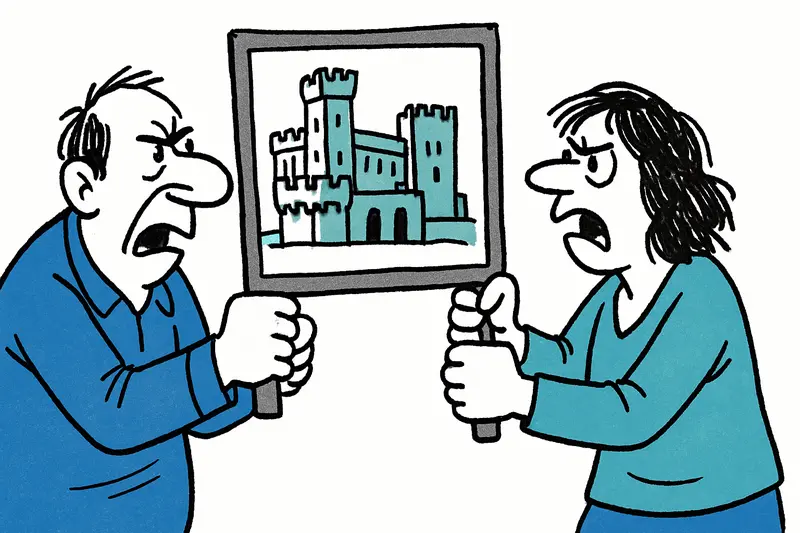
Inheritance Dispute over the Desclaux Estate: Mallorcan Couple Claims Castle in Monaco
An inheritance dispute connects Palma, Switzerland and Monaco: a Mallorcan couple is claiming shares of entrepreneur Esteban Desclaux's estate — including an alleged castle in Monaco. What lies behind the papers, and how realistic are the claims?
Palma, Morning Air and an Inheritance that Crosses Borders
When I strolled through Palma on a quiet morning — streets scented by the sea breeze, pigeons and the occasional clatter of café dishes on Passeig del Born — I picked up several hints about a legal case making the rounds locally. Two people who shuttle between Mallorca and Switzerland have filed claims in court on the estate of the late entrepreneur Esteban Desclaux, as reported in Inheritance Dispute over the Desclaux Estate: Mallorcan Couple Claims Castle in Monaco. The complaints mention villas, estates and, notably, the word “castle” in Monaco.
The Key Question: Who Can Call Themselves Heirs?
The central issue is simple to state and yet complex: Can the claimants prove their direct descent sufficiently to take legal action against current owners? Their lawyer, Fernando Osuna from Seville, promises extensive genealogical research, archive access and the review of old wills. In practice that means: it will get dusty and take time — files from several countries have to be brought together.
Why Borders Complicate the Proceedings
A cross-border estate is seldom straightforward. Monaco, Spain, France and Switzerland have different inheritance laws, limitation periods and register access rules. Specifics that are often overlooked: In some countries the decedent’s last residence determines the applicable law; elsewhere strict forced‑heirship rules apply. Added to that, documents may be missing or have ended up in other hands — sales, inheritances and gifts over decades can fragment chains of ownership.
On Mallorca this is more than legal theory: when family stories speak of the “big estate” or of a relative from Monaco, you quickly notice how tales grow — not necessarily supported by documentation.
Few Highlighted Aspects
The public often focuses on the glamorous idea of a castle. Less noticed are the practical hurdles:
1. Burden of proof and DNA: Descent must be proven — certificates, baptismal registers, sometimes DNA comparisons. The whole process is delicate when documents are missing or names repeat frequently.
2. Property records and deadlines: If properties were sold long ago, the protection of current owners often prevails. Some legal systems allow only short challenge periods.
3. Costs and realpolitik: International litigation is expensive. A possible solution: selective archival work and negotiations instead of court battles — but who will pay long-term for worldwide expert reports?
How the Proceedings Could Look in Practice
Osuna plans archival sleuthing: civil registries, church books, land registers, notarial archives. That would be followed by formal applications, expert reports and possibly interim measures to secure changing ownership situations. This can take months to years. And neither lawyers nor archives can conjure up lost documents.
A possible sequence: request access to land registers, compare historical documents, if necessary apply to freeze dispositions, then civil litigation — in different countries, possibly in parallel.
Chances and Pragmatic Paths
Even in complicated cases there are solutions. Three pragmatic approaches Osuna and his clients should consider:
1. Stepwise prioritization: First examine those parts of the estate that are still traceable and less contested — handle the simpler inheritances first.
2. Mediation and negotiation options: Owners who have held property for decades rarely give it up voluntarily. Financial settlements, acknowledgment agreements or purchase offers can produce results faster than lengthy litigation.
3. Internationally coordinated document searches: Working with local notaries, archives and genealogical experts saves time and prevents duplicated efforts.
What This Means for Mallorca
For the island this is mainly a reminder of how closely small personal stories are linked to major legal questions, as discussed in Real Estate and Inheritances in Mallorca: Act Smart Now Before Rules Change. It is not a tabloid scandal but rather a legal puzzle with strong local color: Mallorcan neighbors, a lawyer from Andalusia, Swiss residences and Monaco in the background; the treatment of non-resident owners has been clarified recently in Court Stops Discrimination: Why the Ruling Is Positive for Property Owners in Mallorca. The scent of espresso mixes with the smell of old papers — that is the tenor of such cases here.
Note: As long as courts have not issued final rulings, these are the claimants’ allegations. All information is based on available claimant documents and the statements of their representative to date.
Frequently asked questions
How do inheritance disputes in Mallorca work when property is spread across several countries?
What documents are needed to prove inheritance rights in Mallorca?
Can a Mallorca property inheritance case depend on old wills and archive research?
How long does an inheritance dispute in Mallorca usually take?
What happens if a Mallorca inheritance claim is made after the property was sold?
Why do some inheritance disputes in Mallorca involve DNA tests?
What does an inheritance dispute in Palma mean for local property owners?
Is mediation a realistic option in a Mallorca inheritance dispute?
Similar News
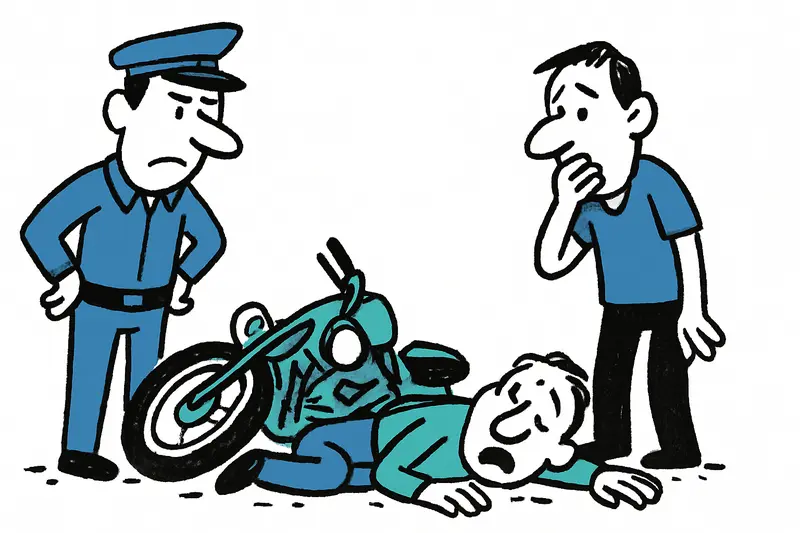
Stolen Motorcycle in Palma: Fatal Crash in Coll d'en Rabassa Shortly After Theft
A motorcycle parked on Plaza Miquel Dolç in Son Gotleu was reportedly stolen in the early hours. Hours later two men cra...
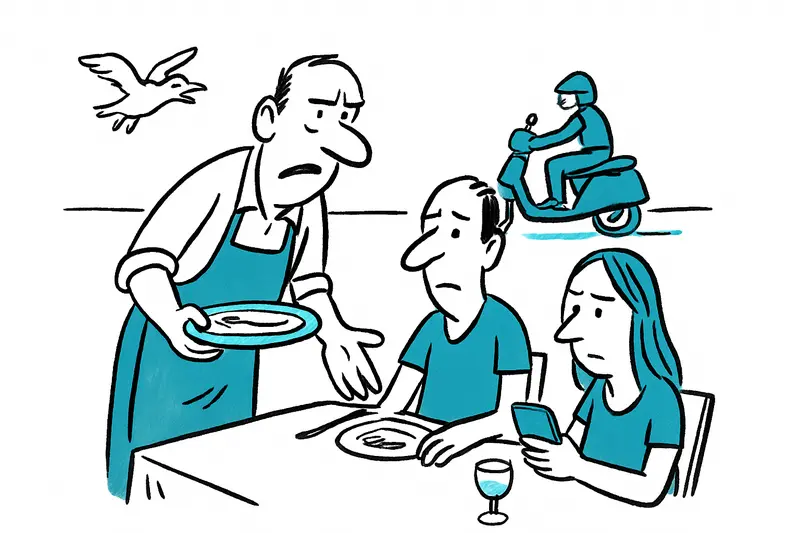
When More Guests Mean Less: Mallorca's Restaurants at the Limit
Despite record visitor numbers, the revenues of many restaurants are shrinking. Why more visitors don't automatically me...
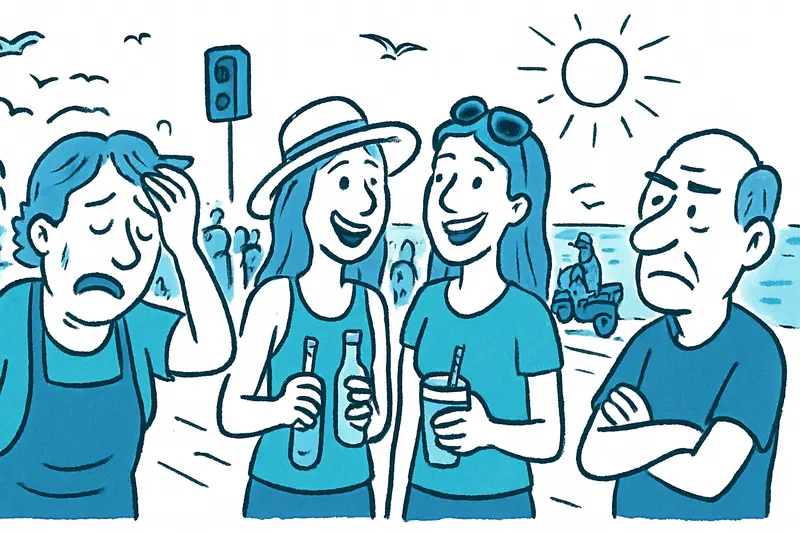
Ballermann 2026: Heat, crowded promenade and rising prices – how much longer?
Bright sunshine, over 35 degrees in the shade and busy venues at Playa de Palma: Tourists enjoy the parties, restaurateu...
Stolen motorcycle, high-speed escape, deadly crash: An accident in Palma that raises questions
A motorcycle stolen in Son Gotleu ended up hours later on the Cardenal-Rossell in Coll d'en Rabassa in a deadly collisio...
Found dead in Son Gotleu: Dog walk ends fatally — what is missing in the investigation?
A 68-year-old man was found dead on Sunday morning on Tomás Rullàn street in Son Gotleu. According to his partner, he ha...
More to explore
Discover more interesting content

Boat Tour with BBQ along Es Trenc Beach

Private transfer from Mallorca Airport (PMI) to Pollensa
