

Only twelve out of 1,300: Island council downplays accusations of illegal holiday rentals
The island council reports: Of around 1,300 reviewed listings in Mallorca, only twelve were actually without a valid permit. Behind the uproar are mainly bureaucracy — and an information problem.
Island council refutes major accusation — the reality is more complicated
The headlines of recent days sounded harsher than the numbers justify: of about 1,300 reviewed listings in Mallorca, the island council says only twelve were without a valid permit. Huge gap in the registry: Nearly 8,000 unregistered holiday apartments in Mallorca On the Plaça de Cort, where the morning espresso is still drowned out by seagull cries and delivery conversations, I picked up a few voices on the matter. A feeling of relief mixes with uncertainty — and a fair amount of bureaucratic frustration.
Key question
Who is responsible for the confusion — bad actors or a rushed change of rules? This question is central, because the answers have consequences for hosts, neighbours and guests.
Why the mix-up happened
Since July, online listings must include an additional registration number. Many hosts have not yet included this number in their ads — not always intentionally. Often documents are missing, applications are incomplete or the forms are still being processed. The island council speaks of bureaucratic delays, discussed in More inspections against illegal holiday rentals: Is money alone enough?. That means: an ad without a number was quickly branded as potentially illegal, even though many cases are simply still pending administratively.
What the raw numbers hide
The statistic — twelve unauthorised offers out of 1,300 checked — reads reassuringly. But it is a snapshot: listings were checked, not all holiday accommodations systemically. Authorities often work on samples or based on reports, as recent maps showing unregistered holiday apartments indicate. On Avinguda Gabriel Roca and in small streets like Carrer de Sant Miquel, hosts say they waited days for feedback. Many families run a holiday apartment on the side; they have neither tax advisors nor time to struggle through forms.
What is often overlooked
Missing from the debate is how interconnected platforms, administration and hosts are. Platforms could centrally query and display registration numbers, administrative offices should provide clear checklists — instead of checklist items that disappear in bureaucratic wording. At the market by the harbour you increasingly hear: “The problem is not the law, but the implementation.”
Concrete opportunities and proposed solutions
The island council has announced plans to speed up processes, noted in Faster action against illegal holiday rentals – is the island council's new tool enough?. That is right, but not enough. Suggestions that could help immediately:
- Transition periods and leniency: For cases with complete but not yet finally processed applications, a temporary marking should be possible instead of immediate fines.
- Unified checklists and local information points: Short, multilingual checklists (also as notices in town halls and at catering businesses) and mobile consultation days in neighbourhoods could eliminate many uncertainties.
- Technical interfaces to platforms: Platforms should be required to implement an API connection so that registration numbers can be automatically checked and displayed.
- Targeted controls: Instead of blanket panic, a tip-based approach and focused inspections are more effective — and spare small providers.
My impressions from the location
Between the babble at the fish market and the rustle of boats in the harbour one thing is heard above all: relief. But also the quiet anger of those who fill out invoices at night while tourists pass the lampposts in the old town. The administrative machine is running, but it needs to catch up.
For guests: ask briefly for the registration number before booking. For hosts: submit the documents completely — and visit local information points if in doubt. And for everyone: don’t equate first headlines automatically with final judgments. Mallorca remains lively, with all its small contradictions.
Frequently asked questions
Are most holiday rentals in Mallorca actually illegal?
Why do some Mallorca holiday rental listings not show a registration number?
What should I check before booking a holiday apartment in Mallorca?
What should Mallorca hosts do if their holiday rental registration is still pending?
Are the holiday rental figures in Mallorca based on all properties or just a sample?
What is the island council in Mallorca doing about illegal holiday rentals?
Where can holiday rental hosts in Palma get help with registration?
Can a holiday rental in Mallorca be legal if the paperwork is still being processed?
Similar News

When coercive fines aren't enough: Could holiday rental owners soon face prosecution?
The island administration is stepping up action against unauthorized holiday rentals: high daily coercive fines up to €5...

Palma Airport on an Expansion Course — Who Decides How Much Growth the Island Needs?
Aena and Madrid are planning multi-million euro investments for Son Sant Joan and project higher capacities. Concern is ...
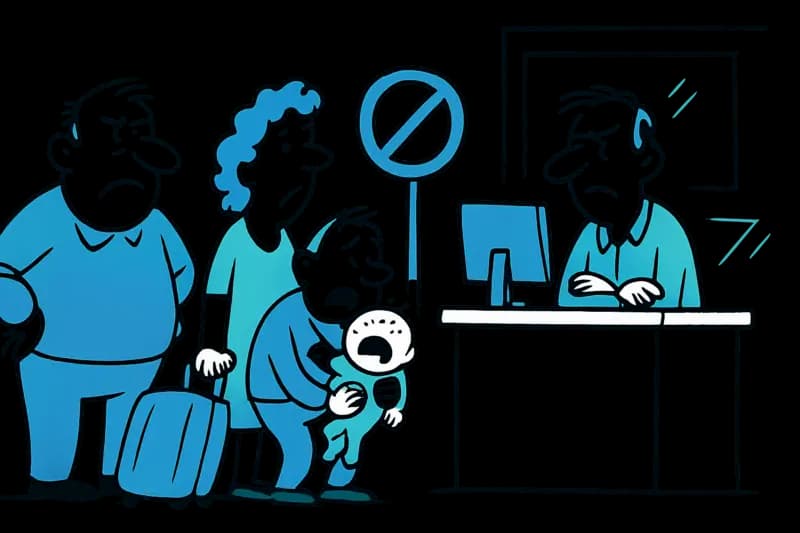
Who Gets Left Out? Why Overbookings Will Hit Many Mallorca Travelers This Summer
On hot check-in days at Son Sant Joan, frustrated travelers pile up. New figures from Reclamador.es show that a large sh...
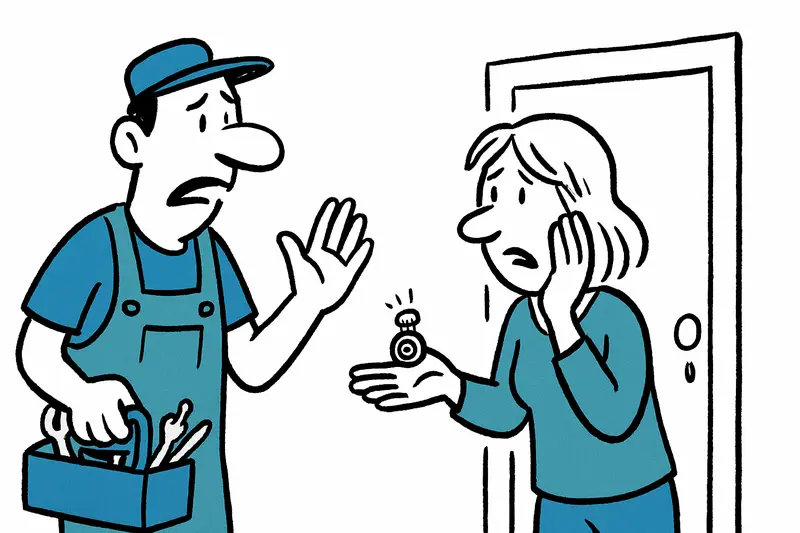
When the Handyman Came: How an Engagement Ring Disappeared in Mallorca and What It Says About Trust
During a repair in Andratx a highly personal engagement ring went missing — a case that calls not only for punishment bu...
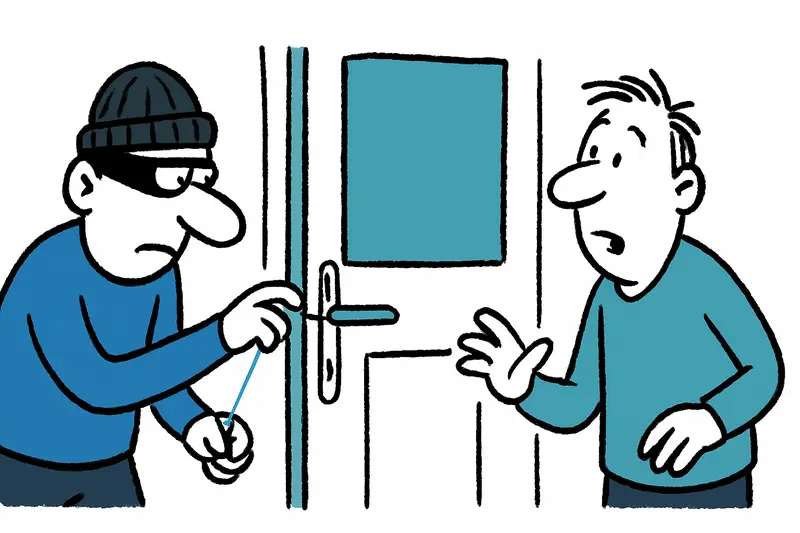
How Burglars Test Fincas in Mallorca — and What You Can Do About It
The Spanish National Police warn of a simple but effective trick: small markings on doors reveal whether a finca is occu...
More to explore
Discover more interesting content

Can Cap de Bou

Townhouse Lleo 72
