
Almost one in four holiday apartments without registration: Island council presents maps — and the questions remain
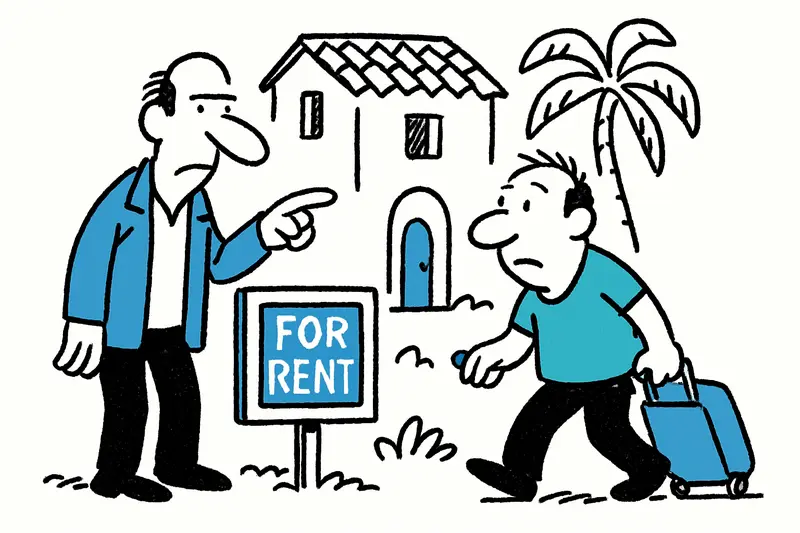
New maps from the island council show hotspots of unregistered holiday apartments. For neighbours this is not a number but everyday life: rolling suitcases instead of shopping trips. How can the balance between tourism and quality of life be restored?
Almost one in four holiday apartments in Mallorca apparently without registration
In the evenings, when the streetlights in La Lonja give the plaster a slightly golden tint and the sound of rolling suitcases is heard more often than the clatter of shopping bags, Palma sometimes feels less like a city where people live and more like an open hotel. The island council's latest analysis confirms this impression in sober numbers (Huge gap in the registry: Nearly 8,000 unregistered holiday apartments in Mallorca): of around 20,000 listings on booking platforms, almost 8,000 offers are said to be circulating without a valid registration number — that is almost 40 percent.
The central question
How can authorities, neighbours and digital platforms restore the balance without displacing residents and without taking away a sense of security from travellers? This question runs through the debate like the sound of suitcases through the old town lanes.
What the mapping really shows
For the first time there is now a spatial representation: hotspots are predictably concentrated in Palma, Pollença and Alcúdia. That hardly comes as a surprise — narrow streets, tourists on every corner, owners converting properties quickly. What's new, however, is the visibility: administrative staff can now recognise patterns, plan enforcement routes and check where complaints cluster. For neighbours this means less guesswork. If in the morning the bins are no longer emptied as before, but new guests are filling them, that is not an isolated incident any more but part of a measurable trend. The topic of a unified, geolocated identifier for holiday accommodation is examined in Bureaucratic chaos in holiday rentals: The plan for an island code — is that enough?.
Aspects few people say out loud
First: platforms are marketplaces, but less often verifiers. There is a lack of automatic verification of registration numbers. Second: lacking registration is not only an administrative offence — it stands for potential gaps in fire protection, insurance and tax payments. Third: the conversion of housing into short-term rentals drives up rents in neighbourhoods that used to be home to families and pensioners. Those who greet the baristas in Pollença in the morning quickly notice that the café lives from regulars; when the regulars move away, the neighbourhood changes.
Reactions and the practical problems
Town halls react differently: some tighten controls and threaten fines, others rely on awareness campaigns and legal advice for landlords, a situation also discussed in More inspections against illegal holiday rentals: Is money alone enough?. Landlords realistically complain about the length of procedures: forms, permits, proofs — a walk through the bureaucracy can take weeks to months. For many, the quick online listing appears more tempting. The result: a dilemma between law and reality.
Concrete opportunities and approaches
The mapping is not a cure-all, but it offers starting points. First: a digital fast lane for registration — an online form processed in days rather than weeks, linked to local inspections. Second: platform obligations — booking platforms should be required to display registration numbers and allow verification via API. Third: tiered incentives — lower fees for landlords who rent long-term or reinvest in social housing. Fourth: targeted micro-regulations for hotspots — time limits on sensitive streets or a maximum number of listings per residential block. And fifth: a public dashboard for citizens so complaints and inspections become more transparent.
What neighbours and travellers can do
For residents: document, ask questions, use neighbourhood forums. A photo of the listing, date and time of the observation help the administration. For guests: ask for the registration number before booking, read reviews and steer clear if uncertain. Low prices can hide big problems — in emergencies, insurance and safety certificates matter more than a bargain.
A final word: The numbers make visible what many have long felt: holiday rentals in Mallorca are still a sector with many grey areas. The island council's new mapping creates tools, but the solution needs more: faster administrative processes, clear obligations for platforms and a joint plan between municipalities, landlords and neighbours. Otherwise the question remains in many places: who is this island actually for?
Frequently asked questions
Are holiday apartments in Mallorca still being listed without a registration number?
What does the Mallorca holiday rental map actually show?
Which parts of Mallorca have the most holiday rental pressure?
Why do unregistered holiday rentals matter for Mallorca residents?
What should I check before booking a holiday apartment in Mallorca?
How can Mallorca authorities check illegal holiday rentals more effectively?
Is it hard to get a legal holiday rental licence in Mallorca?
What can neighbours in Mallorca do if they suspect an illegal holiday rental?
Similar News

Maribel: Five Decades of Service – Housekeeper from Peguera Celebrated with a Special Honor
Over 50 years in the hotel business: María Isabel “Maribel” Molinos was honored in Palma at the Nit del Turisme by Unive...

Orange Alert over Parts of Mallorca: Are We Prepared?
Dark clouds and an announced wet spell have triggered an Orange alert in parts of Mallorca. A reality check: what's miss...

Sundair & Co.: Sale speculation and what it could mean for Mallorca
Rumors about a possible sale of the airlines Sundair and Fly Air 41, which belong to Schauinsland-Reisen — and whether b...
Anne Wünsche in Mallorca: A job offer with a catch — who fits the role of personal assistant?
Influencer Anne Wünsche has left Berlin and is urgently looking for a full-time personal assistant in Mallorca. Why the ...

Daily from New York: Palma Between Boom and Strain
United will increase the Newark–Palma route to daily flights in 2027 using Boeing aircraft (231 seats). What does the in...
More to explore
Discover more interesting content

Can Cap de Bou

Townhouse Lleo 72
