
Jorge Lorenzo and the Ferris Wheel Disaster: Lessons for Mallorcan Investors
The former MotoGP world champion Jorge Lorenzo lost more than €200,000 in a Ferris wheel deal in Italy. A case that raises important questions for Mallorcan investors about due diligence, contracts and risk protection.
From racer to investor — and why that can go wrong
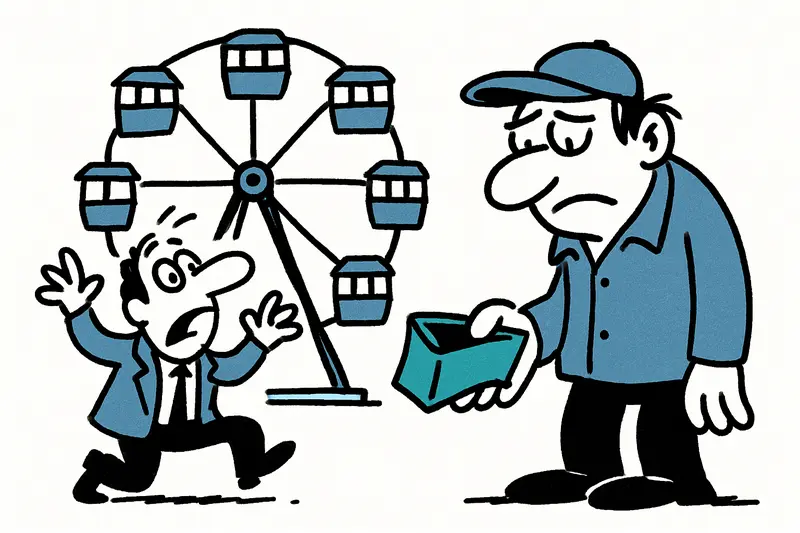
People know Jorge Lorenzo with a helmet and leather suit, not with insurance paperwork and rental contracts. But the three-time MotoGP champion is currently embroiled in a legal mess: a Ferris wheel in Vieste (Apulia), bought for around €1.4 million and leased out, brought him more trouble than return. After months of unreliable rent payments, reportedly more than €200,000 are outstanding — and Lorenzo has filed a complaint, as reported in Jorge Lorenzo's Ferris wheel in Vieste.
The central question: How could this happen?
In Mallorca, between the clatter of dish racks in a bar on the Plaça Major and the quiet rustle of the Tramuntana, people like to hear such stories as a warning. The core problems of the case are typical: insufficient credit checks on the tenant, unclear contract clauses and missing securities. Added to this is the complexity of enforcing rights across borders, as described on the European e-Justice portal — what applies in Vieste does not automatically apply in Palma.
Who checks the counterparty? A personal recommendation or a handshake is not enough. For investments in large movable attractions like a Ferris wheel, regular credit checks, company financials and background checks on the people involved are prerequisites. Many problems start where trust replaces formal checks.
What is often missing in public debate
There is much talk about celebrity and lost money, but less about three crucial aspects: first, contract drafting (principle: clearly regulate duties and penalties), second, the practical enforceability of claims abroad and third, the role of insurance and performance guarantees. In the heat of a Mallorcan summer, when the street music swells, people like to sign optimistically — costly if problems arise later.
Legal pitfalls: A lease agreement for attractions must explicitly regulate jurisdiction, applicable law, reminder periods, default interest, securities (e.g. bank guarantees) and termination rights. If an enforcement mechanism is missing, all that remains is the long road through the courts.
Concrete lessons and recommendations for Mallorca investors
The Lorenzo case is not just celebrity gossip — it is a lesson. Those who want to invest here on the island in businesses, holiday offers or fairs should keep a few rules in mind:
1. On-site due diligence: Check not only financial statements, but also the local reputation of the counterparty. A call to the Ayuntamiento, research with local chambers of craft or a conversation with neighbors can provide valuable clues.
2. Financial securities: Demand bank guarantees or escrow payments instead of mere payment promises. A rent account with attachment rights or regular security deposits prevents claims from remaining outstanding for months.
3. Clear contractual penalties: Default interest, automatic termination after X days, compensation clauses — all of this deters and creates effective levers.
4. Local lawyers and notaries: A domestic legal advisor who thinks in both Spanish and Italian legal terms can spot traps early. In Mallorca, gestores and notaries carry out many practical checks — use this expertise.
5. Do not outsource operations without control: For attractions, holiday accommodations or catering, local management makes sense. A manager or a trusted company on site can reduce daily risks.
6. Limit risks: Set clear investment limits, diversify capital and plan for worst-case scenarios. A Ferris wheel is not a savings account.
What the judiciary and reality can bring
In the end, it often comes down to the question of enforceability: Are complaints and lawsuits enough to get money back? Or do high legal costs and administrative effort remain? In Mallorca as in Italy: patience, legal preparation and the willingness to limit losses are part of entrepreneurial reality.
When in the evening the scent of pa amb oli drifts through the streets and the night watch tolls the bells, you often hear the same advice at the bar: "Check it before you sign." This is no mocking remark here, but solid experience. The Lorenzo case shows: not even world champions are immune.
For Mallorca-Magic we will continue to follow how the trial proceeds and what practical conclusions investors on the island draw from it.
Frequently asked questions
What should Mallorca investors check before buying into a rental business or leisure asset?
Why can cross-border investment disputes be harder to resolve from Mallorca?
Do you need a bank guarantee for an investment contract in Mallorca?
What contract clauses should Mallorca investors insist on?
Is a Ferris wheel or fairground investment a risky business in Mallorca?
What due diligence should be done on a tenant in Mallorca?
When should you use a local lawyer or notary in Mallorca?
What is the main lesson for Mallorca investors from the Jorge Lorenzo Ferris wheel case?
Similar News
German tourist dies in Sa Calobra – a reality check for emergencies on Mallorca's beaches
A 40-year-old tourist died at the Torrent de Pareis. The emergency call, a doctor who happened to be present, a defibril...
Deadly Tractor Accident in Bunyola: What Needs to Be Done Now
In a work accident on an estate near Bunyola, a roughly 40-year-old man lost his life. His wife and a small child were o...
Head-first dive into the shallow part of Cala Fonoll: An accident and the unresolved question of responsibility
A young tourist dove into Cala Fonoll and was seriously injured. Key question: Why are clear warning signs missing at da...
Mistaken identity with fatal consequences: Brutal assault in S'Aranjassa — what's missing in the follow-up?
At S'Aranjassa a visitor to a finca was tied up, beaten and thrown out of a van. Three men have been arrested, including...
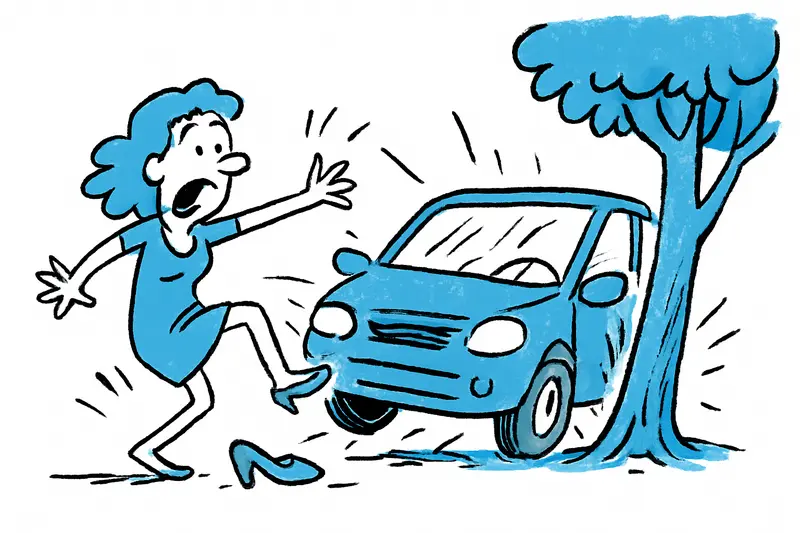
High heel slips, car accelerates: accident on Camí de Son Hugo
A woman lost a high-heeled shoe on the forecourt of the sports facility at Camí de Son Hugo. The car accelerated, mounte...
More to explore
Discover more interesting content

Can Cap de Bou

Townhouse Lleo 72
