

Klaus-Michael Kühne has died: The entrepreneur who gave Mallorca a second home
Klaus-Michael Kühne has died: The entrepreneur who gave Mallorca a second home
He first arrived on the island at 60; later the holiday house became Castell Son Claret – a hotel, a music venue and an argument for high-quality hospitality. Klaus-Michael Kühne has died at 89.
Klaus-Michael Kühne has died: The entrepreneur who gave Mallorca a second home
From a late start to an island project – hotels, concerts and the goal: fewer guests, more tranquillity
It is the same streets around Es Capdellà, filled in the mornings with the chatter of the market and the rustle of watering cans, that also surround Castell Son Claret. Here, among olive trees and stone walls, Klaus-Michael Kühne left his most visible marks on Mallorca over the past decades. The Hamburg entrepreneur has died at the age of 89. He only discovered the island late in life, remained closely connected to it and turned a private project into part of the island's culture.
Their shared path first led to Mallorca in 1997, when Kühne and his wife Christine decided to buy a house — that was the beginning. The retreat became a restoration project: the Son Claret estate near Es Capdellà, which reopened in 2013 as the five-star hotel Castell Son Claret. The building and the gardens were tackled with great attention to detail; around 38 million euros went into the redesign. For Kühne, hospitality was not just a business but a cause: he wanted to strengthen a side of the island that sought tranquillity, quality and culture instead of mass and low-cost tourism.
The hotel became more than a place to stay. Under his stewardship, Son Claret became a stage for classical concerts, a meeting place for executives and thinkers, and the venue for the economic forum “Neu Denken”, which began at the Castell in 2021 and continued in the following years in Palma. Visitors rarely encountered empty glamour here; instead they found a combination of careful restoration, musical programming and refined cuisine. The hotel restaurant Sa Clastra received a Michelin star in 2023 — a small but visible sign of how firmly the house has anchored itself in Mallorca's gastronomic scene.
Kühne was a man of many facets: he had his roots in logistics, took early responsibility in the family business and later engaged in holdings such as Hapag-Lloyd and airlines. At the same time, he showed an obvious affection for classical music on the island. His foundation worked internationally with festivals and opera houses; for the planned Caja de Música in Palma he pledged two million euros in 2020 — a promise he later withdrew. Nevertheless, his commitment to culture remained tangible: concerts at the Castell, collaborations, and the idea that a hotel can also be a cultural place.
In everyday life, Kühne sometimes appeared surprisingly down-to-earth. He was seen several times on scheduled flights between Zurich and Palma; the anecdote that he once even carried letters himself to save on postage was often told. This mix of Hanseatic pragmatism and generous patronage shaped his work: efficiency mattered to him, and profit was not always the sole objective.
Politically and socially, Kühne became a familiar figure on Mallorca. His engagement brought guests and discussions, but also an example of how private initiatives can support public cultural spaces. He leaves no descendants on the island; large parts of his fortune are placed in the non-profit Kühne Foundation, and he arranged succession for his business network early on. About ten days ago he returned from Mallorca to his home in Schindellegi in Switzerland, where he died.
What remains is more than a restored manor and a hotel with Michelin-awarded cuisine. There is the memory of someone who embraced Mallorca as a place to live and tried to promote his vision for the island: fewer visitors, higher spending, peace and culture. In the gardens of Son Claret, when the crickets chirp in the evening air and the lights of the Castell come on behind the pine crowns, one can still hear a bit of the idea Kühne planted here.
Those thinking of a farewell can find a small, practical consolation on Mallorca: in recent years the island has learned to link culture, hospitality and landscape more closely. That is no guarantee, but a direction — and for many here a part of Klaus-Michael Kühne's legacy.
Frequently asked questions
What is the best time of year to visit Mallorca for sunny weather and swimming?
How can I stay comfortable on Mallorca’s beaches when the sun is strong?
What should I pack for a Mallorca trip, considering weather and activities?
Are there family-friendly activities in Mallorca for a relaxed break?
How does Mallorca’s weather vary, and how should that affect my plans?
Is it easy to get around Mallorca without a car, and what are the transport options?
Are there safe swimming spots on Mallorca for beginners, and what should I watch for?
What local etiquette should visitors know when staying in Mallorca?
Similar News
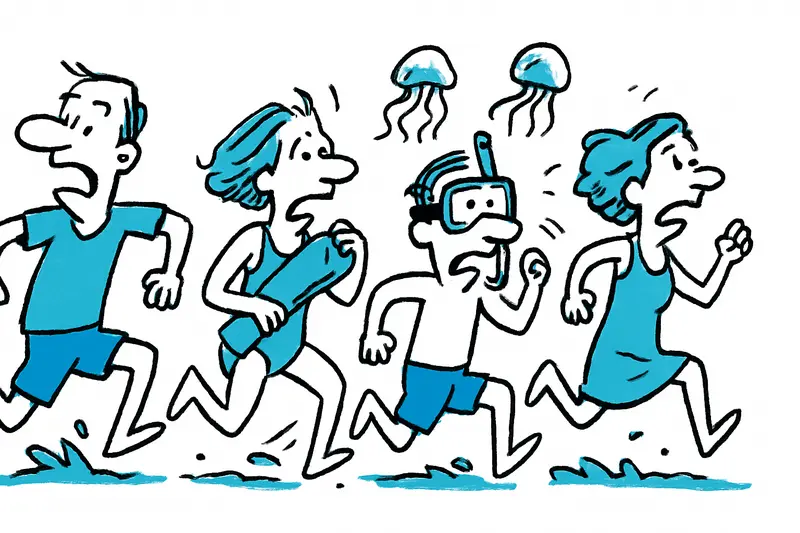
Stinging jellyfish in Cala Banyalbufar: Why everyone suddenly fled the water
In Cala Banyalbufar, Pelagia noctiluca washed up in droves. A personal account of why this is no coincidence, what is of...
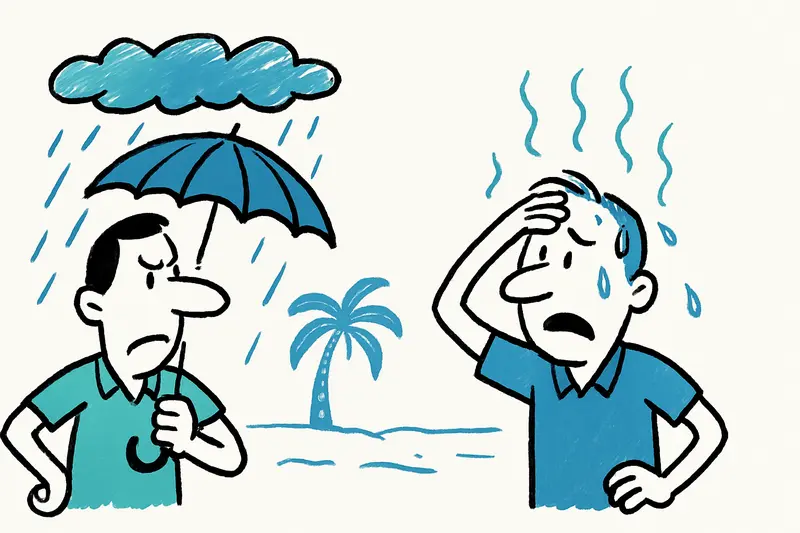
New low-pressure trough brings rain — and the heat remains: What's missing in Mallorca?
A short, intense window of showers hit Mallorca, yet the air remained muggy and warm. Key question: Why does rain hardly...
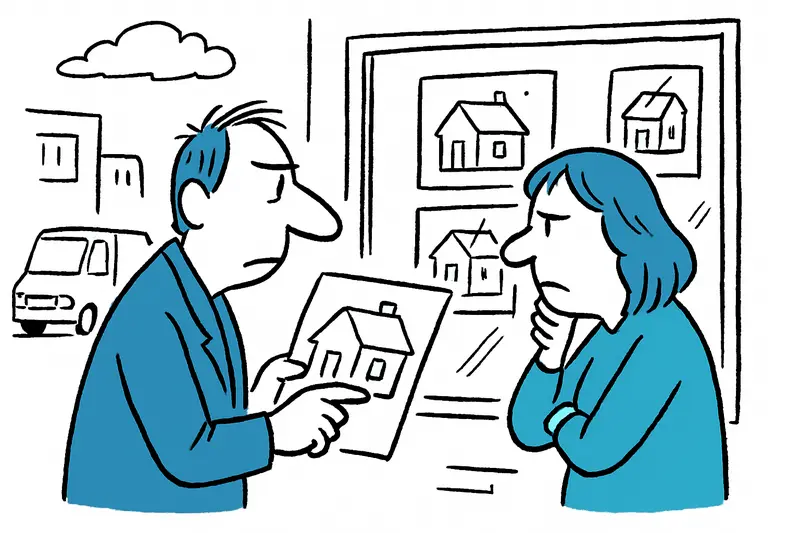
Buying Instead of Moving Away? Why Every Fourth Property Owned by Balearic Residents Isn't Located Here
Almost a quarter of the apartments purchased by Balearic residents are located on the Spanish mainland. A concise analys...

Palma markets itself in the USA — but who is the city really for?
The tourism foundation is investing over €200,000 in US promotions to attract affluent visitors to Palma. Does that acco...
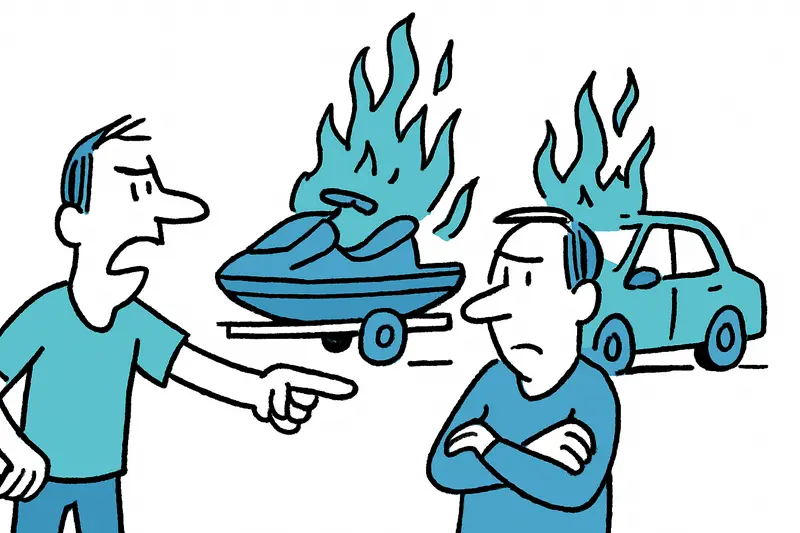
From Deposit to Arson: How a Dispute over Jet Skis in El Molinar Escalated
After a nighttime fire in El Molinar a detainee is in pretrial detention. How could a conflict between a rental company ...
More to explore
Discover more interesting content

Boat Tour with BBQ along Es Trenc Beach
Private transfer from Mallorca Airport (PMI) to Pollensa
