

Laser over the runway: Pilot in Palma blinded — landed safely, but questions remain
During the approach to Palma a pilot was apparently dazzled by a laser. The aircraft from Cologne landed safely, but the incident at the Paseo Marítimo raises serious safety questions — from penalties to prevention.
Flash of light over the runway — a close call
On Saturday evening, as the sun slowly sank behind the mountains west of Palma and the streetlights and bars along the Paseo Marítimo lit up, an incident occurred at the airport that could have gone wrong: According to air traffic control, the pilot of a Ryanair aircraft from Cologne was dazzled by a laser during the landing approach. Despite the blinding beam, the aircraft with registration FR7208 touched down safely on the runway.
The ambient noise on the ground — the hum of the engines, the beeping of airport vehicles, the distant cries of seagulls — showed no sign of panic. Travelers reported a calm atmosphere during boarding; some were still standing on the taxiway and making phone calls while police cars with flashing lights drove past Terminal B. An airport employee at the information desk merely shrugged: “Some people really have no idea what happens back in the cockpit.”
Why is this so dangerous?
A laser beam can briefly impair vision in the cockpit, disrupt orientation and dazzle pilots — especially during critical flight phases like the landing approach. A momentary disorientation is enough to delay decisions or make instrument readings more difficult. The central question is: Why do some people consider a laser pointer a harmless prank when it can have serious consequences in the airspace?
What's at stake — and what practice shows
Authorities reacted immediately: airport police, the Guardia Civil and air traffic controllers became involved, searching the area around the terminal and along the Paseo Marítimo. Such operations are routine in practice, but that is precisely why one should not be complacent. In recent weeks similar incidents have accumulated: a small drone incident that led to a nighttime refueling stop on Menorca, a hydraulic leak at Palma Airport and now laser attacks. This increases the strain on staff and flight operations and leads to additional checks and delays.
Penalties, proceedings, deterrence
Anyone who aims a laser at an aircraft risks heavy fines. Depending on the severity of the case, fines can be in the high five-figure to six-figure range, in addition to criminal investigations and possible prison sentences. But are monetary penalties alone enough to deter copycats? Experience shows that only a combination of visible enforcement, clear communication and rapid pursuit of offenders helps.
What is often overlooked
Public debate often overlooks a number of aspects: Many of these lasers originate from the tourist nightlife — rented or online-purchased devices whose owners are unaware of the danger they pose. It is not always deliberate vandalism; sometimes it is stupidity, alcohol or simple ignorance. Nevertheless: the responsibility remains. The perspective of the crew, who must decide within seconds, is rarely given enough consideration. Pilots train for such cases, but practice cannot replace the absence of distractions on the ground.
Concrete steps and solutions
Instead of only complaining, airport operators, municipalities and tourism boards should act together. Some concrete measures:
1. Increase presence: More foot patrols and mobile checks at known hotspots such as the Paseo Marítimo and Terminal B. Visible police presence often acts as a deterrent.
2. Technical detection: Investment in laser detection systems and cameras that can narrow down the origin of a beam — this facilitates investigations.
3. On-site education: Signs at beach access points, in rental car offices and in holiday apartments as well as multilingual information campaigns: “Lasers are not a game.”
4. Strict enforcement: Easily deployable fines, confiscation of devices and consistent charges should become the norm.
5. Community reporting: Simple reporting channels (hotline, app) for bystanders who see suspicious activity — eyewitnesses in Palma are often the key to quick clarification.
A moment of luck — and everyone’s responsibility
In the end the aircraft landed safely, passengers disembarked, and flight operations continued. For many it was a brief scare; for others a wake-up call. Mallorca depends on tourism, the nightlife by the water and the people who work here. That is precisely why we must not accept flimsy “jokes” that endanger safety. The holiday destination is not a testing ground for laser stunts.
The investigation is ongoing; tips from the public are welcome. Until then: If you are walking along the Paseo Marítimo, enjoy the salty air and the buzz of the city — but do not point lights at the sky. It is not a harmless joke, it is dangerous.
Frequently asked questions
How dangerous is a laser pointed at an aircraft landing in Mallorca?
What happens if a pilot is blinded by a laser near Palma Airport?
Can you get fined for pointing a laser at a plane in Mallorca?
Why are laser incidents around Palma Airport taken so seriously?
Where do laser incidents near Palma Airport often happen?
What should I do if I see someone shining a laser into the sky in Mallorca?
Are laser pointers allowed to be used in Mallorca at night?
Do laser incidents cause flight delays at Palma Airport?
Similar News
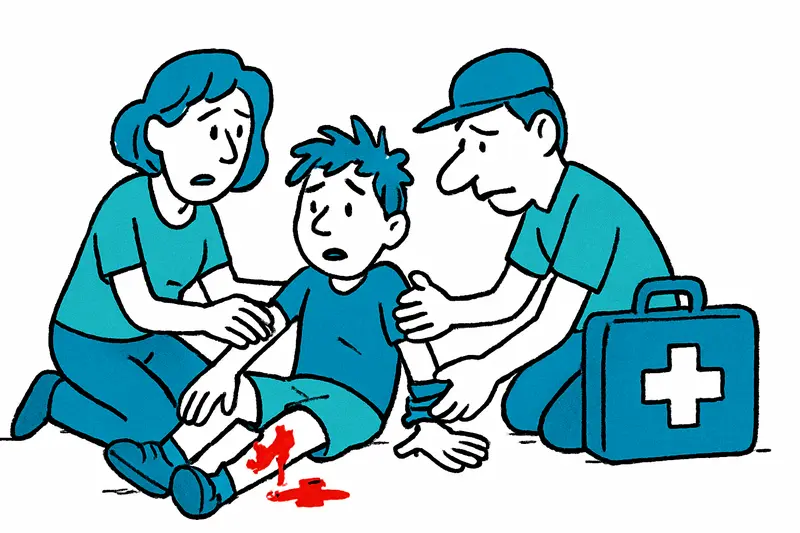
Cala Varques: After another accident – which questions remain open?
An eleven-year-old fell while climbing in the remote bay of Cala Varques and suffered a deep laceration. The response ra...
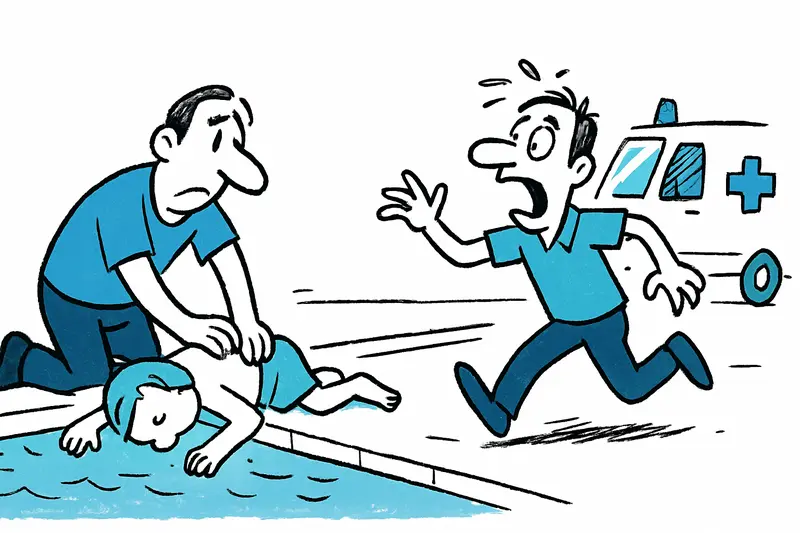
Why Children at Mallorca's Pools Become Endangered in Seconds – A Reality Check After Two Emergencies
Two nearly simultaneous swimming accidents in the Balearics – a four-year-old in Port de Pollença and a toddler in Ibiza...

Nine Months of Construction at Palma Airport: Who Pays the Price — Travelers or the Environment?
Beneath the apron lies a deteriorated sewer pipeline of about three kilometres, contract sum €1.3 million (excluding tax...
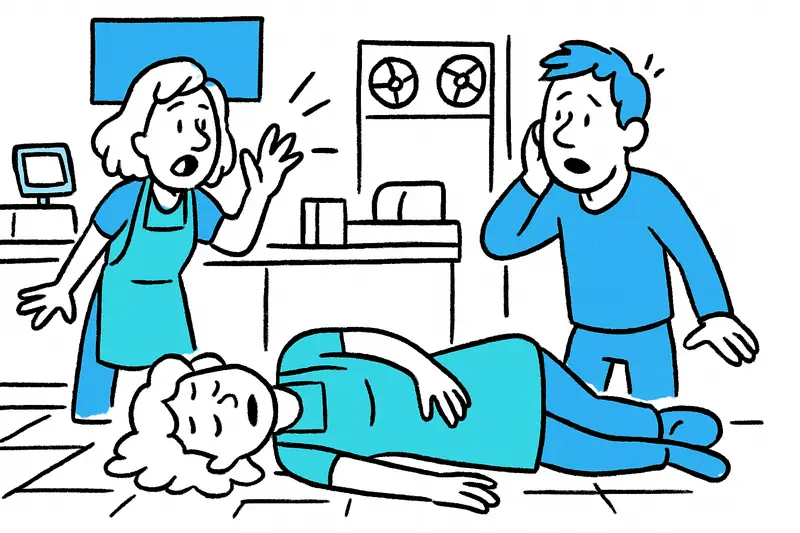
Workplace Becomes Crisis Site: Woman in Cala Major Collapses and Dies – What’s Missing in an Emergency?
A 61-year-old woman collapsed in Cala Major in the afternoon; resuscitation attempts lasted nearly an hour. The circumst...

When the Goat Stole the Chips: Why Mallorca's Wild Goats Are Becoming a Problem
A wild goat strolls through Cala Sant Vicenç among beach bags and coolers, pulls a bag of chips from a bag and nibbles o...
More to explore
Discover more interesting content

Boat Tour with BBQ along Es Trenc Beach

Private transfer from Mallorca Airport (PMI) to Pollensa
