
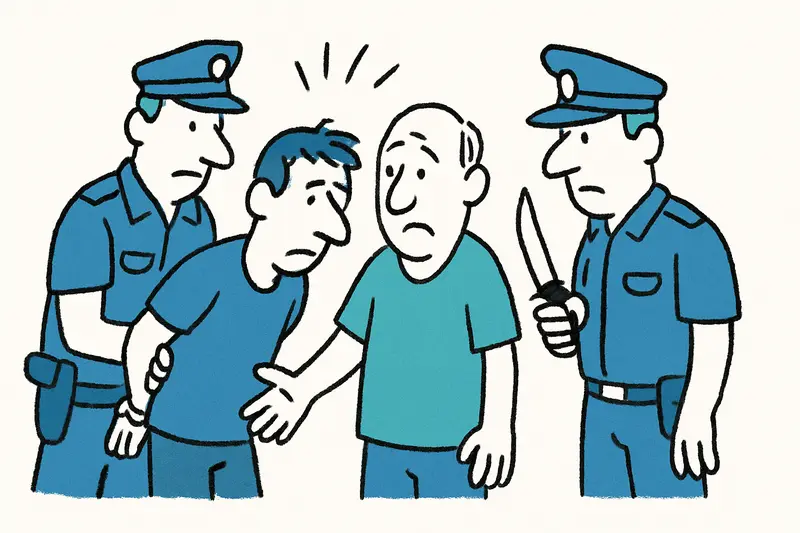
Stabbing in S'Arenal: Arrests Raise Questions – How Safe Is the Playa?
After a nighttime knife attack in S'Arenal, two German nationals were arrested. What the arrests mean — and where prevention and investigation are falling short.
Stabbing in S'Arenal: Arrests Raise Questions
Two Arrests After Knife Attack – But What Does That Say About Local Safety?
The pointed question right at the start: is this an isolated act of violence or part of a pattern that makes the Playa de Palma more vulnerable than many think? On the night residents later only called 'the bloody night', a 25-year-old German holidaymaker was seriously injured in front of his hotel in S'Arenal. Investigators report two suspects, also German citizens aged 34 and 38, who were apprehended shortly afterwards.
According to the facts known so far, cash and two knives were seized during the arrest. The injured person suffered a stab wound to the upper body, did not lose consciousness, received first aid on site—a hotel employee pressed the wound with a towel—and was taken to hospital. Doctors assessed the condition as not life-threatening. Authorities now suspect links to earlier robberies: Unrest in s'Arenal: Arrests After Supermarket Robbery — What Is Missing in the Side Streets? reports that last summer a tourist is said to have had a wallet with around €900 taken, and there are indications of an assault on a couple a few days before the knife attack. Investigations are ongoing.
Those who assume a one-off escalation should look more closely. S'Arenal is a place that lives at night: voices, loud music, taxis, partygoers, and the mixture of tourist culture and local residents create spaces where conflicts can quickly spiral out of control. That does not automatically make the incident a structural problem—but it intersects with known risk factors: alcohol-fuelled confrontations, group dynamics, and occasionally poor lighting in some side streets — as other reports such as Playa de Palma at Night: Phone Tracking Catches Suspect — But What Does It Say About Our Safety? show.
What is critical is not only the act itself but what happens afterwards. The quick arrests are positive; however, they do not answer many questions: How robust are prevention concepts in hotspots like S'Arenal? Are hotels and bars sufficiently involved in raising guest awareness? And how transparently do authorities inform victims and the public without jeopardizing investigations?
Missing from the public discourse is the everyday perspective. For many Mallorcans, S'Arenal is a workplace, a promenade, a place for morning walks. For the cleaning worker sweeping the avenue at half past five with the shrill beeping of the garbage trucks behind them, or the taxi driver starting a shift at the Playa, such incidents are not a TV topic but a real concern about the neighbourhood. These voices are rarely heard when only numbers and arrests are discussed.
Concrete proposals sometimes sound technical but are practicable: first, better coordinated night patrols by the Policía Local and Guardia Civil/National Police during critical time windows—not just reactive but preventive. Second, lighting concepts for dark side streets: targeted lamps and maintenance create orientation and deter perpetrators. Third, mandatory training for bouncers, hotel concierges and cleaning staff: de-escalation strategies, first aid and fast reporting channels to the police. Fourth, multilingual information for guests—simple advice on staying safe at night, where taxi ranks are, and how to call for help.
Legal and cross-border procedures also deserve attention. When suspects and victims come from the same country, cooperation between local authorities and foreign counterparts raises specific questions: exchange of criminal records, quick witness interviews, repatriations. Public awareness of these processes is often lacking, but their efficiency affects whether suspects reoffend; similar complexities were highlighted in Arenal: Arrest warrant during a routine report – a wake-up call for the promenade.
An everyday scenario from Palma illustrates this well: it's shortly after midnight, the beach bars have just closed, a group of young people strolls down Carrer de Sant Ramon Nonat. A few streetlights flicker, a moped rumbles by, and a hotel employee pulls up the shutters while looking at her phone with a worried expression. It is exactly at these transitions between partying and going home that danger zones arise. When prevention works, the group passes unharmed. When it doesn't, a situation can escalate within minutes.
My conclusion: the arrests may bring short-term relief. But they do not replace the questions that remain open. Safety is not an item on a to-do list you can tick off; it is a process. Authorities, hoteliers and residents must work more closely together so that S'Arenal can keep its loud, lively side without people having to be afraid to be out on the street at night.
For travellers the obvious advice applies: stay alert, keep bags closed, choose routes in groups and follow local guidance from your accommodation. And for decision-makers on the island: don't just arrest, prevent. Otherwise we may see a similar report in a few months' time, and that would be the truly frustrating part of the whole story.
Frequently asked questions
Is S'Arenal safe for tourists at night?
What should I do if someone is injured in Mallorca and bleeding heavily?
When is Playa de Palma most crowded and noisy?
How can I stay safer in Mallorca's nightlife areas?
Is it safe to walk in S'Arenal after midnight?
What kind of security measures help in busy Mallorca resort areas?
Should tourists report assaults or robberies immediately in Mallorca?
Why do conflicts sometimes escalate in S'Arenal nightlife?
Similar News

Rental Car Theft in El Arenal: What This Incident Reveals About Our Gaps
A teenager steals a running rental car in El Arenal, flees on foot, climbs over walls and is caught by the Guardia Civil...
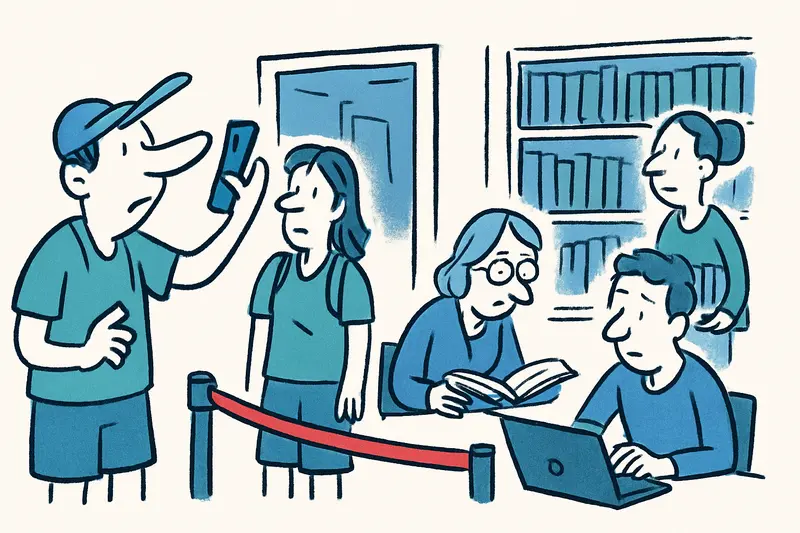
Red Rope in Palma's Library: What Helps Against Selfie Tourism — and What's Missing
Palma's city library cordoned off an area with a red rope to keep selfie tourism away from reading and working activitie...
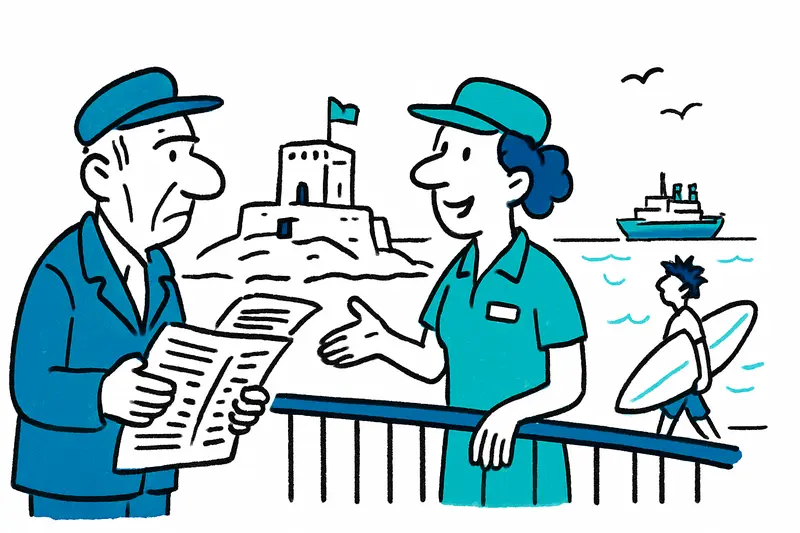
Fort San Carlos: Museum, Harbor Dispute — and a Conflict That Demands Answers
The military museum at Fort San Carlos sits right on Palma's harbor, with unexpectedly quiet rooms filled with cannons a...
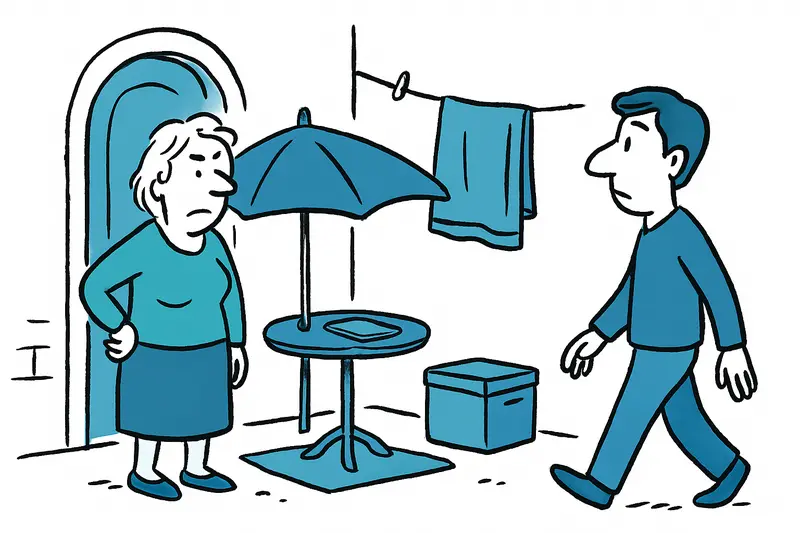
Old Town Under Pressure: When a Doorway Becomes a Sleeping and Shower Place
For months a woman has been living with a parasol, a clothes rack and personal belongings next to the social welfare off...
When Shopping Weighs Heavier: Mallorca Demands a Tax Pause on Food and Fuel
Rising prices are putting pressure on households and agriculture. The Balearic Islands are calling for temporary tax rel...
More to explore
Discover more interesting content

Can Cap de Bou

Townhouse Lleo 72
