
Pere Garau to get a nine-storey community centre – can it solve the neighbourhood's problems?
Pere Garau to get a nine-storey community centre – can it solve the neighbourhood's problems?
Palma plans a nine-storey multifunctional building at Plaza de España for Pere Garau. A critical look: who will pay for operations, and who will actually use the spaces?
Pere Garau to get a nine-storey community centre – can it solve the neighbourhood's problems?
Library, daycare, health centre and more on the former Metropolitan site: a good idea, but answers to pressing questions are missing
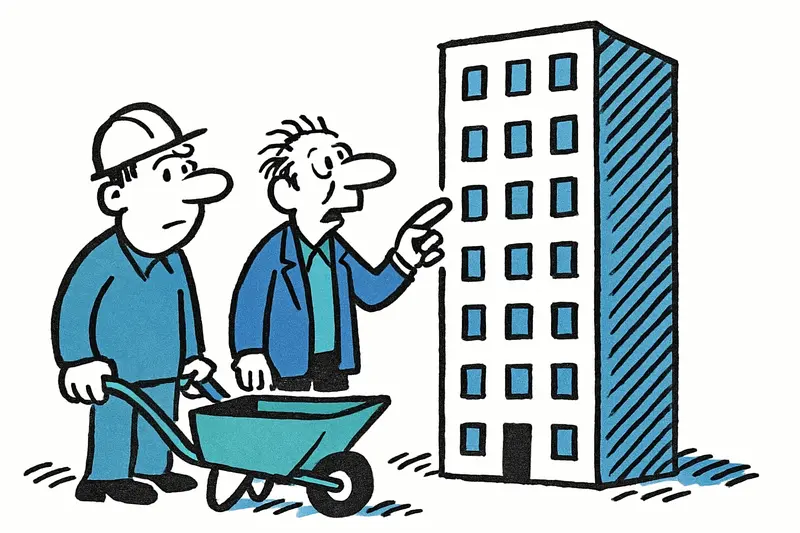
Imagine a quiet morning on the edge of Plaza de España: delivery vans maneuvering, a bus conductor whistling, and gardeners with wheelbarrows in a side street. Right where the old Metropolitan cinema stood unused for so long, Palma now plans a nine-storey building made of timber and concrete elements, with two bright atria and planted terraces as part of a plan to transform the old Metropolitan cinema into a roughly 7,000 m² multiservice community center. The city's idea: to consolidate around 7,000 square metres of space for the police, a health centre, a library, an under‑3 daycare, a senior centre, citizen services and more.
The numbers are concrete: the city has already spent €3.6 million to buy the plot and the old cinema building, and a further roughly €14.3 million is budgeted for construction. The plan is a mix of underground and above-ground levels, with parking in the basement; construction is due to start next year and is expected to take about 18 months. Architects are Joan Fortuny and Martí Sans; the design relies on flexible upper floors that should adapt to "future needs." The mayor sees the project as a major neighbourhood investment – and Pere Garau, a district of around 30,000 people, certainly needs support.
Key question: Is a monumental multifunctional building sufficient to address the real deficits of a densely populated neighbourhood? That is the real test for politicians and administrators.
Critical analysis: on paper the building looks like a Swiss Army knife: many functions inside, little outside. That is understandable in one sense – consolidated services can save costs and shorten journeys. On the other hand, there are open questions that have so far received too little attention in public debate. Who will fund the ongoing staff, operations and maintenance of the many functions? Construction is a one-off cost; recurring expenses for doctors, library staff, childcare workers, security and cleaning are continuous. Where will these funds come from if municipal budgets are already under pressure?
Another risk: the promised "flexible floors" sound attractive, but flexible spaces are expensive to convert and require clear rules of use so that supposedly free rooms do not sit idle after a few years or get rented out to external service providers who do not serve the common good. And the underground car park? It relieves short-term parking pressure but promotes car use in the neighbourhood in the long run – a contradiction to many transport and climate goals.
What is missing in the debate: genuine citizen participation beyond informational events. In Pere Garau there are active neighbourhood groups, small business owners and families with concrete everyday problems. How many children actually need a daycare place? Which library opening hours suit shift workers? Which rooms should the police use permanently and which only occasionally? Such details determine whether the building will be well used or underutilised, as discussed in a report on the conversion of the old Metropolitan site into a neighborhood center with a library, daycare, parking garage and new police station.
Scene from everyday life: at the Pere Garau market, between olive stalls and cafés, one often hears the same wishes: affordable services, short distances and meeting places that are not only open in the afternoons. A monumental building can be a meeting point – or a well-secured complex that only consolidates bureaucratic procedures. The atmosphere decides.
Concrete solutions that can be discussed immediately: 1) A phased usage model with clear operating cost forecasts before the concrete is poured. 2) A pact between the city, consortia of social providers and local associations to finance and operate the library, daycare and senior centres. 3) A binding citizens' advisory board of neighbours, business owners and youth representatives to co‑determine occupancy plans and opening hours. 4) Transport concepts that do not treat underground parking as a free pass for more car traffic – instead implement parking management and better connections to bus and tram. 5) A permanent budget for maintenance and rotating cultural programmes that also makes the history of the Metropolitan cinema visible and usable locally.
Conclusion: the project has potential because it consolidates services and revitalises unused land. But without solid answers on operating costs, co‑determination and transport, the idea remains half-baked. A building that promises everything must not become an administrative do‑everything tool. If the city administration, architects and the neighbourhood now work seriously on usage practice, the new centre can be a gain for Pere Garau. If not, the result will be another well‑intentioned but poorly used building – and the neighbourhood will benefit little.
Frequently asked questions
What is planned for the old Metropolitan cinema site in Pere Garau, Mallorca?
When will construction of the new Pere Garau community centre start?
Why is Palma building a multi-service centre in Pere Garau?
Will the new Pere Garau centre solve the neighbourhood’s problems?
How much is Palma spending on the Pere Garau community centre?
What services will be inside the new community centre in Pere Garau?
Will there be parking at the new Pere Garau centre in Mallorca?
What are residents asking for in the Pere Garau project in Palma?
Similar News
Palma, Palma de Mallorca, Palma‑Mallorca: What is it really about?
The debate over the city's name is more than grammar: it concerns identity, law and branding policy. A sober reality che...
Warning to Bathers: Nipping Fish in Cala Major and Other Coves — a Reality Check
In Cala Major and several beaches around Mallorca, bathers report painful “nips”. Who are the animals, why are they gett...

Rental Car Theft in El Arenal: What This Incident Reveals About Our Gaps
A teenager steals a running rental car in El Arenal, flees on foot, climbs over walls and is caught by the Guardia Civil...
Red Rope in Palma's Library: What Helps Against Selfie Tourism — and What's Missing
Palma's city library cordoned off an area with a red rope to keep selfie tourism away from reading and working activitie...
Fort San Carlos: Museum, Harbor Dispute — and a Conflict That Demands Answers
The military museum at Fort San Carlos sits right on Palma's harbor, with unexpectedly quiet rooms filled with cannons a...
More to explore
Discover more interesting content

Can Cap de Bou

Townhouse Lleo 72
