
Smoking falls, Vaping rises: How healthy are Mallorca's teenagers really?
Smoking falls, Vaping rises: How healthy are Mallorca's teenagers really?
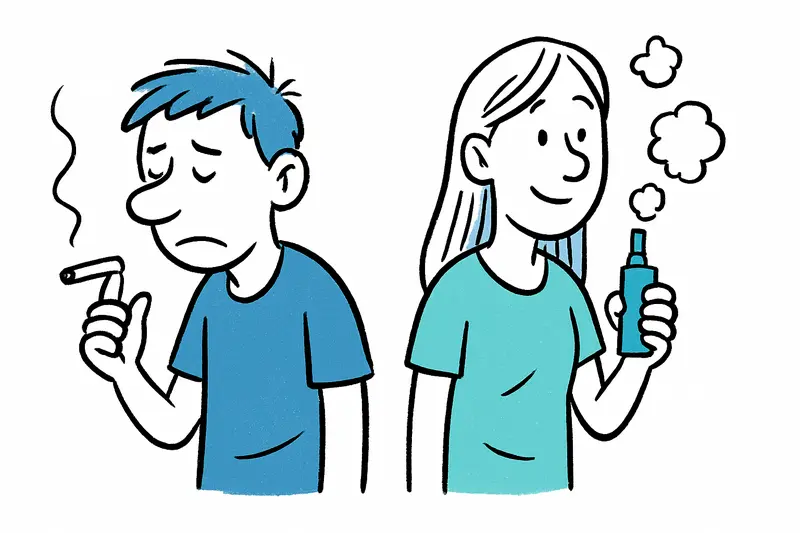
The number of teenage smokers in the Balearic Islands has dropped significantly — from around 30 to just under 18 percent. At the same time, almost one in two 14- to 18-year-olds has tried vaping. What does this mean for the island?
Smoking falls, Vaping rises: How healthy are Mallorca's teenagers really?
Key question: Does less tobacco automatically mean better protection for our young people — or is the risk simply shifting into a new form?
The raw numbers are clear: In the last twelve months, just under 18 percent of 14- to 18-year-olds in the Balearic Islands consumed tobacco. In an earlier survey the figure was almost 30 percent. That is a decrease that should not be downplayed. At the same time, the picture is not that simple: Almost every second teenager has already tried an e-cigarette or a vape. Two developments that stand opposite each other and raise questions.
Analysis: A decline in classic cigarettes is good — but not automatically good enough. Young people reach less for the burning cigarette; instead, nicotine-containing liquids, flavorings and handy devices are very present on plazas and in beach bars. This is not a purely technical difference. Vapes don't smell like cigarettes used to, they are more discreet, and in the heat of Palma or on Playa de Palma they quickly become an everyday companion. That changes perceptions and social norms: When the risk is invisible, the threshold to try it becomes lower.
What is often missing in public discourse: concrete figures on the nicotine content of the products used, better age checks at the point of sale, and an honest debate about the long-term health damage of vapor products, as outlined by CDC information on electronic cigarettes. Public authorities mostly talk about successes in quitting smoking — the question of how effective prevention against vaping is remains vague. Local decisions such as Balearic Islands Reject Central Smoking Ban on Beaches and Terraces reflect this tension. There is little discussion about how access via black-market liquids, online trade or third-party sales during holiday seasons should be regulated, and high-profile incidents such as E-cigarette on board: How a small puff causes major disruptions on Mallorca routes show the scale of the problem.
Everyday scene from the island: An early evening on the Passeig del Born. Groups of teenagers sit on the steps, some with a bucket of sangría, others with a small, blinking device between their fingers. The hip bakery next door plays indie music, an EMT city bus rumbles past, and nobody pulls on a filtered cigarette — instead a sweet scent of berry flavors drifts across the plaza. It is a harmless, almost familiar scene. And that is exactly the challenge: harmless optics, unclear risks.
Concrete solutions that could work in Mallorca: First: better controls on sales to minors — not just spot checks, but systematic enforcement, also during tourist summers. Recent coverage of the policy debate can be seen in Balearic Islands reject smoking ban on beaches and terraces — what now?. Second: mandatory labeling of nicotine amounts in liquids and a ban on misleading flavors that particularly appeal to young people. Third: localised education: schools, youth centers and sports clubs in municipalities like Inca, Manacor or Llucmajor should receive clear, easily accessible information — not abstract warnings, but facts about addiction potential and long-term consequences. Fourth: low-threshold cessation services in primary care — not only for heavy smokers, but also for vape users seeking advice.
Why this matters: A decline in tobacco consumption should not be seen as a free pass. Shifted risks can accumulate — especially in young, developing brains. On Mallorca this is compounded by other factors: high tourist density in summer months, easy availability of products and a social environment that normalizes experimenting.
A pointed conclusion: The Balearic Islands can be proud of falling smoking rates. But anyone who now leans back overlooks the other side of the coin: vaping is entrenched. Politicians, health services and schools must tackle the issue consistently and concretely, before a new culture of dependence grows. Otherwise we only achieved a temporary victory — not a real win.
Frequently asked questions
Are teenagers in Mallorca smoking less than before?
How common is vaping among teenagers in Mallorca?
Is vaping in Mallorca safer than smoking for teenagers?
Why is vaping so visible among young people in Palma and Playa de Palma?
What can Mallorca do to stop teenagers from getting vapes?
Where in Mallorca should teens get better anti-vaping education?
What should parents in Mallorca know if their teenager vapes?
When is the biggest risk period for teen vaping in Mallorca?
Similar News

From the Ruhr Area to the Tramuntana: Thorsten Legat and the FC Germania Mallorca Adventure
The former pro has not only taken the coaching role on Mallorca but also moved into a small island shared house, set amb...

Silent Conquest: What Mallorca's Wildlife Can Do Against Introduced Snakes
For years non-native snakes have been appearing on Mallorca. Who monitors the import routes, how effectively do authorit...
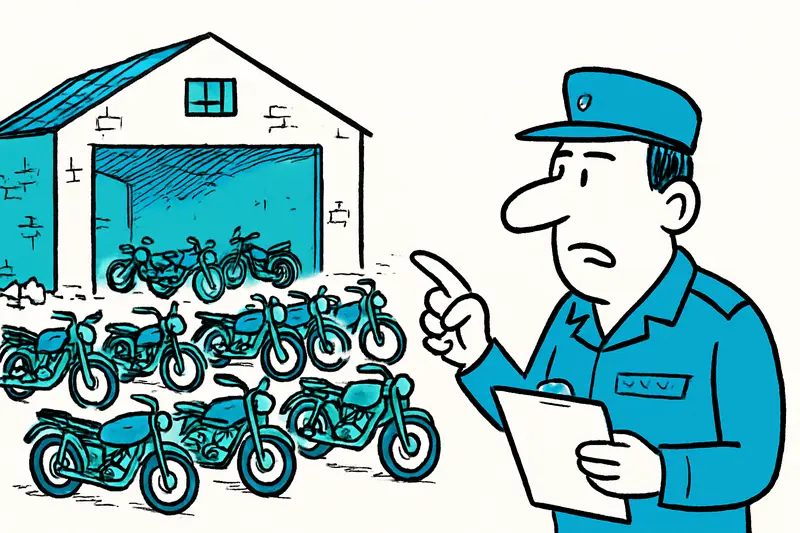
Stolen motorcycles in vacant factory: Guardia Civil finds 19 vehicles
In Inca, investigators discovered 19 motorcycles stolen between April and June. In an abandoned factory near Selva, many...
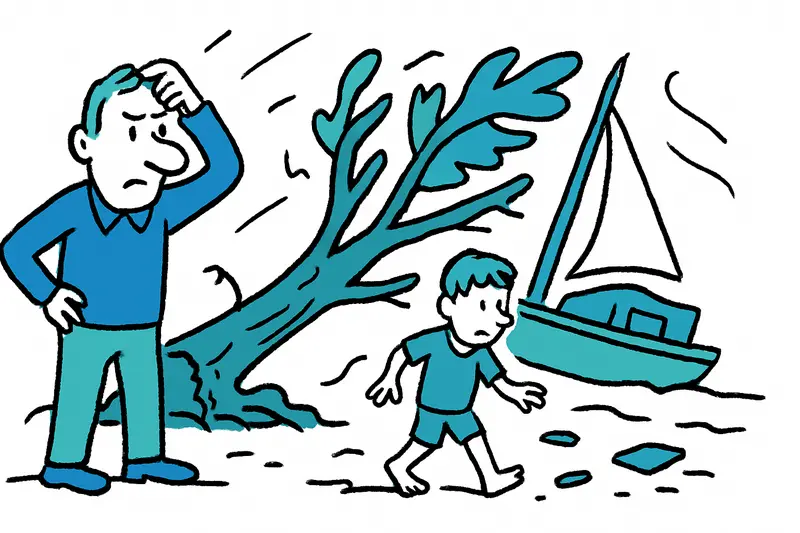
Storm in Majorca: 75 Responses, Uprooted Trees and Beached Boats – Who Will Draw the Lessons?
A sudden thunderstorm swept over the islands on Thursday evening, leaving uprooted trees, damaged boats and disrupted su...
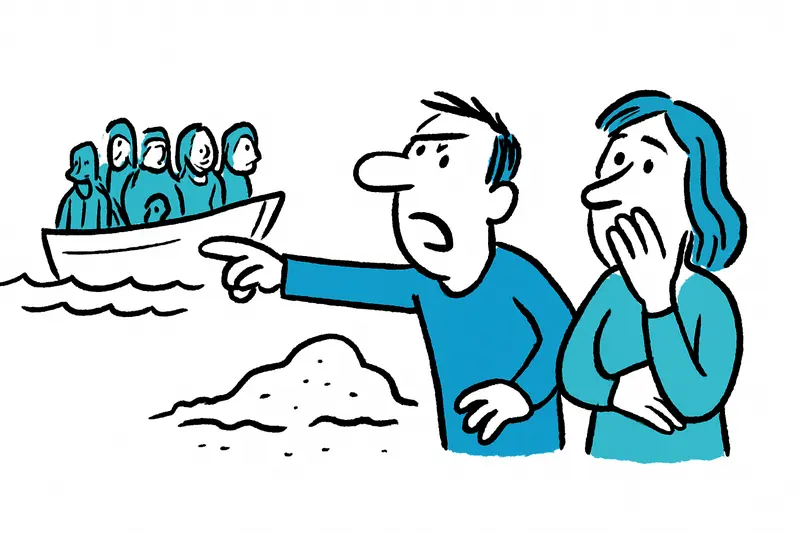
Daily new boats: Mallorca and the Balearic Islands under pressure from rising arrivals from Algeria
For months, arrivals of boat migrants from Algeria have remained at a high level. Places are lacking, unaccompanied mino...
More to explore
Discover more interesting content

Boat Tour with BBQ along Es Trenc Beach

Private transfer from Mallorca Airport (PMI) to Pollensa
